Biology
$ 59.99
Learning Track Courses
Variety of Organisms - Biology (Senior Secondary)
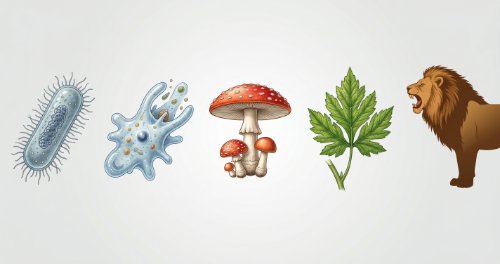
Biology begins with knowing how life forms vary. This course explains the characteristics of living organisms, the structure of the cell, and the levels of organisation. We cover the five kingdoms of life, which are Monera, Protista, Fungi, Plantae, and Animalia. You will examine the evolution among these groups to understand how life develops from simple forms to complex systems.
Understanding how organisms function is the strict basis for medicine, farming, and environmental science. You can apply this exact knowledge to grow better crops, control human diseases, or manage local ecosystems in Nigeria and across the globe. Healthcare Workers, farmers, and scientists rely on the classification of organisms to solve daily practical problems. This provides the direct foundation you need to pursue any career in the biological or agricultural sciences.
After completing this course, you will correctly identify the key traits of all major life forms. You will classify organisms into their proper kingdoms based on the features of the cell and physical structure. You will track evolutionary changes across species; you will also explain biological organisation from single cells to whole living beings. You will possess the exact vocabulary needed for advanced biology topics.
This course targets senior secondary school students preparing for WAEC, NECO, and JAMB examinations. It also serves first-year university students who require a fast revision of basic biological concepts. Anyone starting an agriculture business or a health project will gain practical facts here. It gives every learner a firm grip on the rules of taxonomy without unnecessary complexities.
Variety of Organisms - Biology (Senior Secondary)
Biology begins with knowing how life forms vary. This course explains the characteristics of living organisms, the structure of the cell, and the levels of organisation. We cover the five kingdoms of life, which are Monera, Protista, Fungi, Plantae, and Animalia. You will examine the evolution among these groups to understand how life develops from simple forms to complex systems. Understanding how organisms function is the strict basis for medicine, farming, and environmental science. You can apply this exact knowledge to grow better crops, control human diseases, or manage local ecosystems in Nigeria and across the globe. Healthcare Workers, farmers, and scientists rely on the classification of organisms to solve daily practical problems. This provides the direct foundation you need to pursue any career in the biological or agricultural sciences. After completing this course, you will correctly identify the key traits of all major life forms. You will classify organisms into their proper kingdoms based on the features of the cell and physical structure. You will track evolutionary changes across species; you will also explain biological organisation from single cells to whole living beings. You will possess the exact vocabulary needed for advanced biology topics. This course targets senior secondary school students preparing for WAEC, NECO, and JAMB examinations. It also serves first-year university students who require a fast revision of basic biological concepts. Anyone starting an agriculture business or a health project will gain practical facts here. It gives every learner a firm grip on the rules of taxonomy without unnecessary complexities.
The Cell and Its Environment - Biology (Senior Secondary)
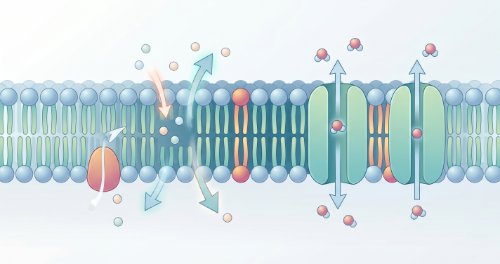
Every living organism depends on the movement of materials across boundaries. This course explains how substances travel into and out of biological systems. You will study the environment of the cell and the exact methods it uses to survive. We focus strictly on the mechanisms of diffusion, osmosis, plasmolysis, and turgidity. You will understand how water and dissolved nutrients cross the membrane of the cell to sustain life.
Understanding cellular transport is essential for agriculture, medicine, and food preservation. You will apply this knowledge to explain why plants wilt during dry seasons or how fertilisers affect crops in Nigerian soil. It forms the foundation of medical treatments like intravenous drips and kidney dialysis. Mastering these microscopic interactions prepares you to solve practical biological problems and grasp complex physiological systems in real life.
By completing this module, you will accurately define the media of cellular transportation. You will distinguish between the process of diffusion and the mechanism of osmosis. You will explain the effects of different fluid concentrations on living tissues. Furthermore, you will confidently predict the physical outcomes of plasmolysis and turgidity in biological samples; this ensures you possess the exact scientific skills required for advanced medical and anatomical tracks.
This course is specifically for Senior Secondary students tackling the core biology syllabus. It provides the exact knowledge required to pass major regional examinations while maintaining a global academic standard. First-year university students will also use this material to correct foundational errors in their understanding of the biology of the cell. Any independent learner interested in life sciences will gain a factual and clear understanding of microscopic cellular interactions.
The Cell and Its Environment - Biology (Senior Secondary)
Every living organism depends on the movement of materials across boundaries. This course explains how substances travel into and out of biological systems. You will study the environment of the cell and the exact methods it uses to survive. We focus strictly on the mechanisms of diffusion, osmosis, plasmolysis, and turgidity. You will understand how water and dissolved nutrients cross the membrane of the cell to sustain life. Understanding cellular transport is essential for agriculture, medicine, and food preservation. You will apply this knowledge to explain why plants wilt during dry seasons or how fertilisers affect crops in Nigerian soil. It forms the foundation of medical treatments like intravenous drips and kidney dialysis. Mastering these microscopic interactions prepares you to solve practical biological problems and grasp complex physiological systems in real life. By completing this module, you will accurately define the media of cellular transportation. You will distinguish between the process of diffusion and the mechanism of osmosis. You will explain the effects of different fluid concentrations on living tissues. Furthermore, you will confidently predict the physical outcomes of plasmolysis and turgidity in biological samples; this ensures you possess the exact scientific skills required for advanced medical and anatomical tracks. This course is specifically for Senior Secondary students tackling the core biology syllabus. It provides the exact knowledge required to pass major regional examinations while maintaining a global academic standard. First-year university students will also use this material to correct foundational errors in their understanding of the biology of the cell. Any independent learner interested in life sciences will gain a factual and clear understanding of microscopic cellular interactions.
Nutrition and Digestion - Biology (Senior Secondary)
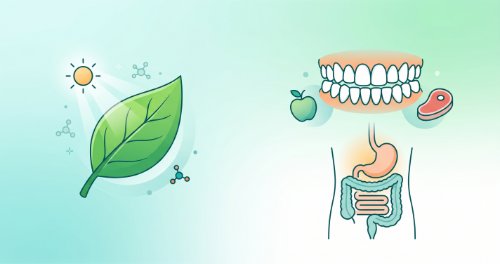
Every living organism requires food to survive and grow. This course explains how organisms obtain and process nutrients. You will study autotrophic and heterotrophic nutrition. We examine how plants manufacture food through photosynthesis and chemosynthesis. We also cover the mechanical and chemical breakdown of food in animals. You will study the anatomy of the alimentary canal and the structure of the mammalian tooth. The course includes practical laboratory methods for conducting basic food tests.
Understanding feeding and digestion is strictly essential for daily life and professional practice. You can apply this knowledge to agricultural science to improve crop yields and livestock feeding. In human biology and medicine, this information forms the basis for managing diet and digestive health. This knowledge also provides a practical foundation for making informed personal decisions about your daily food consumption to maintain good health.
By completing this course, you will grasp the fundamental methods of nutrient acquisition and breakdown. You will be able to explain the exact mechanisms of photosynthesis and chemosynthesis. You will know how to outline the specific functions of the organs of the alimentary canal. You will also be able to identify the types and functions of mammalian teeth. Furthermore, you will learn the standard chemical procedures required to test for carbohydrates, proteins and fats in a laboratory.
This course is primarily for senior secondary school students preparing for their final certificate and tertiary entrance examinations. It meets the strict requirements of standard biology curricula. However, anyone interested in human health, farming or basic science will find the content highly useful. First-year university students needing a quick review of foundational biology can also rely on this material. The direct explanations ensure that anyone wanting to understand biological food processing will benefit from the lessons.
Nutrition and Digestion - Biology (Senior Secondary)
Every living organism requires food to survive and grow. This course explains how organisms obtain and process nutrients. You will study autotrophic and heterotrophic nutrition. We examine how plants manufacture food through photosynthesis and chemosynthesis. We also cover the mechanical and chemical breakdown of food in animals. You will study the anatomy of the alimentary canal and the structure of the mammalian tooth. The course includes practical laboratory methods for conducting basic food tests. Understanding feeding and digestion is strictly essential for daily life and professional practice. You can apply this knowledge to agricultural science to improve crop yields and livestock feeding. In human biology and medicine, this information forms the basis for managing diet and digestive health. This knowledge also provides a practical foundation for making informed personal decisions about your daily food consumption to maintain good health. By completing this course, you will grasp the fundamental methods of nutrient acquisition and breakdown. You will be able to explain the exact mechanisms of photosynthesis and chemosynthesis. You will know how to outline the specific functions of the organs of the alimentary canal. You will also be able to identify the types and functions of mammalian teeth. Furthermore, you will learn the standard chemical procedures required to test for carbohydrates, proteins and fats in a laboratory. This course is primarily for senior secondary school students preparing for their final certificate and tertiary entrance examinations. It meets the strict requirements of standard biology curricula. However, anyone interested in human health, farming or basic science will find the content highly useful. First-year university students needing a quick review of foundational biology can also rely on this material. The direct explanations ensure that anyone wanting to understand biological food processing will benefit from the lessons.
Respiration and Energy - Biology (Senior Secondary)
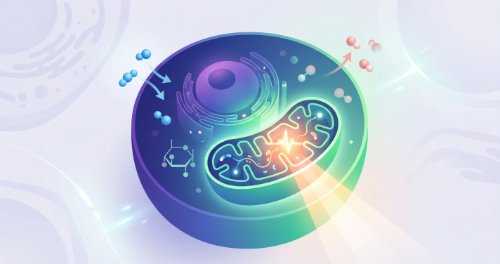
Every living organism requires constant energy to survive. This course explains the mechanisms of respiration and energy generation in plants and animals. You will study the exact differences between aerobic and anaerobic pathways; you will also examine the specific respiratory organs that make gaseous exchange possible. The content focuses on the biochemical foundations of life, breaking down complex cellular processes into clear and simple steps.
Understanding the process of cellular energy generation is essential for practical applications in several fields. You can apply the principles of gaseous exchange directly to sports science, medicine, and advanced botany. For example, knowing how muscles produce energy without oxygen helps athletes improve physical stamina and endurance. Future medical students can use the knowledge of respiratory systems to understand lung diseases, while agricultural students will learn how to maximise crop yield through better plant respiration.
By completing this course, you will acquire a solid grasp of how energy is extracted from food. You will understand the detailed biochemistry of aerobic and anaerobic respiration, identify the structures of the respiratory systems in different organisms, and explain the physical mechanisms of gaseous exchange. You will also develop the ability to compare the efficiency of different respiratory pathways, giving you the analytical skills needed to pass advanced biology examinations.
This content serves senior secondary school students preparing for major local and international examinations. It provides the exact biological foundation required for those aiming to study medicine, pharmacy, or biological sciences at the university level. Even individuals outside this specific academic track, such as fitness enthusiasts or curious adult learners, will find the clear explanations of the energy systems of the human body highly beneficial for personal health education.
Respiration and Energy - Biology (Senior Secondary)
Every living organism requires constant energy to survive. This course explains the mechanisms of respiration and energy generation in plants and animals. You will study the exact differences between aerobic and anaerobic pathways; you will also examine the specific respiratory organs that make gaseous exchange possible. The content focuses on the biochemical foundations of life, breaking down complex cellular processes into clear and simple steps. Understanding the process of cellular energy generation is essential for practical applications in several fields. You can apply the principles of gaseous exchange directly to sports science, medicine, and advanced botany. For example, knowing how muscles produce energy without oxygen helps athletes improve physical stamina and endurance. Future medical students can use the knowledge of respiratory systems to understand lung diseases, while agricultural students will learn how to maximise crop yield through better plant respiration. By completing this course, you will acquire a solid grasp of how energy is extracted from food. You will understand the detailed biochemistry of aerobic and anaerobic respiration, identify the structures of the respiratory systems in different organisms, and explain the physical mechanisms of gaseous exchange. You will also develop the ability to compare the efficiency of different respiratory pathways, giving you the analytical skills needed to pass advanced biology examinations. This content serves senior secondary school students preparing for major local and international examinations. It provides the exact biological foundation required for those aiming to study medicine, pharmacy, or biological sciences at the university level. Even individuals outside this specific academic track, such as fitness enthusiasts or curious adult learners, will find the clear explanations of the energy systems of the human body highly beneficial for personal health education.
Transport and Excretion - Biology (Senior Secondary)
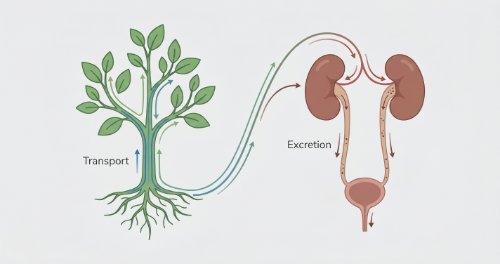
Survival requires moving nutrients in and pushing waste out. This course details the exact biological mechanisms of systemic maintenance in plants and animals. You will study the need for transportation, the specific materials moved, and the channels used. We also examine various types of excretory structures and their precise functions. This gives a complete view of how living things process resources and manage waste.
Understanding internal transport and waste removal is a strict requirement for fields dealing with living organisms. You can apply these biological principles directly to veterinary medicine, human anatomy, or agricultural science. Knowing how the transport system of a plant or the kidney of a mammal works solves practical problems in farming and healthcare. This knowledge forms the baseline for diagnosing systemic failures in any medical or biological track.
Upon completion, you will know exactly how biological transport and excretion operate. You will identify the materials transported in living tissues and describe the channels that carry them. You will differentiate the excretory mechanisms of plants from those of animals. You will also state the functions of specific excretory structures across various organisms. This ensures you can map the complete cycle of nutrient circulation and the removal of metabolic waste.
This course is strictly for senior secondary students preparing for biology examinations. It serves as a direct revision tool for the biological sciences. University freshmen studying medicine, botany, or zoology will also find it highly useful to solidify their foundational knowledge. Anyone needing a clear and factual breakdown of biological maintenance systems will benefit from this direct instruction.
Transport and Excretion - Biology (Senior Secondary)
Survival requires moving nutrients in and pushing waste out. This course details the exact biological mechanisms of systemic maintenance in plants and animals. You will study the need for transportation, the specific materials moved, and the channels used. We also examine various types of excretory structures and their precise functions. This gives a complete view of how living things process resources and manage waste. Understanding internal transport and waste removal is a strict requirement for fields dealing with living organisms. You can apply these biological principles directly to veterinary medicine, human anatomy, or agricultural science. Knowing how the transport system of a plant or the kidney of a mammal works solves practical problems in farming and healthcare. This knowledge forms the baseline for diagnosing systemic failures in any medical or biological track. Upon completion, you will know exactly how biological transport and excretion operate. You will identify the materials transported in living tissues and describe the channels that carry them. You will differentiate the excretory mechanisms of plants from those of animals. You will also state the functions of specific excretory structures across various organisms. This ensures you can map the complete cycle of nutrient circulation and the removal of metabolic waste. This course is strictly for senior secondary students preparing for biology examinations. It serves as a direct revision tool for the biological sciences. University freshmen studying medicine, botany, or zoology will also find it highly useful to solidify their foundational knowledge. Anyone needing a clear and factual breakdown of biological maintenance systems will benefit from this direct instruction.
Support and Movement - Biology (Senior Secondary)
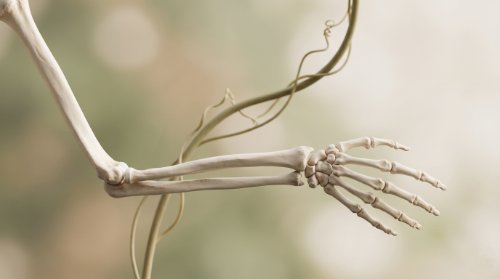
How do living organisms stand upright and move? This course covers the physical mechanics of biological structures. We study supporting tissues in plants and animals to understand how they maintain shape. We analyse the different types and functions of the skeleton across various species. We also examine tactic, nastic, and tropic movements to see how organisms respond to their environment.
Professions in healthcare, agriculture, and sports science rely directly on this structural knowledge. Physiotherapists use the anatomy of the skeleton to treat injuries and restore mobility in patients. Agricultural workers apply the principles of plant movements to improve crop yield and manage sunlight exposure. Future zoologists require a strong grasp of biomechanics to understand animal behaviour and physical adaptation.
Learners will identify specific supporting tissues in both plants and animals. They will explain the distinct types and functions of the skeleton in vertebrates and invertebrates. Students will also describe the exact mechanisms of tactic, nastic, and tropic movements. This creates a unified structural module that connects skeletal anatomy directly with practical biomechanics.
This content targets senior secondary students preparing for exams like WAEC, NECO, and JAMB. It acts as a strict foundation for those pursuing medicine, physiotherapy, and general biology tracks. First-year university students in science programmes will also find it useful to revise the basics of biomechanics. Anyone curious about the physical structure of living things can use this text to build a solid scientific base.
Support and Movement - Biology (Senior Secondary)
How do living organisms stand upright and move? This course covers the physical mechanics of biological structures. We study supporting tissues in plants and animals to understand how they maintain shape. We analyse the different types and functions of the skeleton across various species. We also examine tactic, nastic, and tropic movements to see how organisms respond to their environment. Professions in healthcare, agriculture, and sports science rely directly on this structural knowledge. Physiotherapists use the anatomy of the skeleton to treat injuries and restore mobility in patients. Agricultural workers apply the principles of plant movements to improve crop yield and manage sunlight exposure. Future zoologists require a strong grasp of biomechanics to understand animal behaviour and physical adaptation. Learners will identify specific supporting tissues in both plants and animals. They will explain the distinct types and functions of the skeleton in vertebrates and invertebrates. Students will also describe the exact mechanisms of tactic, nastic, and tropic movements. This creates a unified structural module that connects skeletal anatomy directly with practical biomechanics. This content targets senior secondary students preparing for exams like WAEC, NECO, and JAMB. It acts as a strict foundation for those pursuing medicine, physiotherapy, and general biology tracks. First-year university students in science programmes will also find it useful to revise the basics of biomechanics. Anyone curious about the physical structure of living things can use this text to build a solid scientific base.
Coordination and Control - Biology (Senior Secondary)
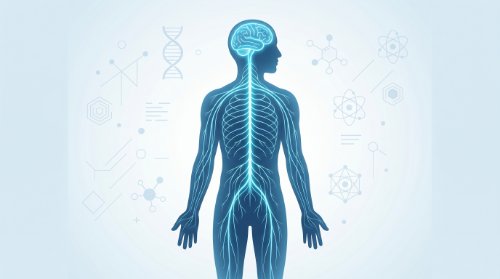
Human survival depends on rapid internal communication and precise regulation. This course examines the biological systems responsible for detecting and responding to internal and external changes. We will cover the anatomy and physiology of the central and peripheral nervous systems alongside the endocrine system. The material addresses reflex actions, functions of the sensory organs, and the mechanisms of hormonal control. You will learn how these distinct networks maintain systemic balance across the human body.
Understanding coordination is critical for careers in medicine, pharmacy, nursing, and agriculture. The principles taught here explain the physiological basis of common health conditions such as diabetes and neurological disorders. You can apply this knowledge to evaluate the effects of the environment on the human body or to understand basic pharmacology and drug interactions. This foundation is necessary for interpreting biological data and making informed decisions regarding personal health and medical treatments.
Upon completing this module, you will accurately describe the structure and function of the central nervous system and peripheral nerves. You will be able to explain the transmission of nerve impulses, outline the pathway of a reflex arc, and detail the anatomy of the eye and the ear. Furthermore, you will understand the roles of specific hormones in physiological regulation and analyse the feedback loops required for homeostasis. This knowledge ensures competence in addressing systemic regulation problems in advanced biology.
This course targets senior secondary students preparing for their final examinations and university matriculation tests. The content provides the necessary groundwork for passing biology papers with high grades. Early university students in the life sciences will also find it valuable as a thorough revision tool for foundational anatomy and physiology. Anyone seeking a clear and factual understanding of human biology can use this material to build a strong scientific knowledge base.
Coordination and Control - Biology (Senior Secondary)
Human survival depends on rapid internal communication and precise regulation. This course examines the biological systems responsible for detecting and responding to internal and external changes. We will cover the anatomy and physiology of the central and peripheral nervous systems alongside the endocrine system. The material addresses reflex actions, functions of the sensory organs, and the mechanisms of hormonal control. You will learn how these distinct networks maintain systemic balance across the human body. Understanding coordination is critical for careers in medicine, pharmacy, nursing, and agriculture. The principles taught here explain the physiological basis of common health conditions such as diabetes and neurological disorders. You can apply this knowledge to evaluate the effects of the environment on the human body or to understand basic pharmacology and drug interactions. This foundation is necessary for interpreting biological data and making informed decisions regarding personal health and medical treatments. Upon completing this module, you will accurately describe the structure and function of the central nervous system and peripheral nerves. You will be able to explain the transmission of nerve impulses, outline the pathway of a reflex arc, and detail the anatomy of the eye and the ear. Furthermore, you will understand the roles of specific hormones in physiological regulation and analyse the feedback loops required for homeostasis. This knowledge ensures competence in addressing systemic regulation problems in advanced biology. This course targets senior secondary students preparing for their final examinations and university matriculation tests. The content provides the necessary groundwork for passing biology papers with high grades. Early university students in the life sciences will also find it valuable as a thorough revision tool for foundational anatomy and physiology. Anyone seeking a clear and factual understanding of human biology can use this material to build a strong scientific knowledge base.
Reproduction and Growth - Biology (Senior Secondary)
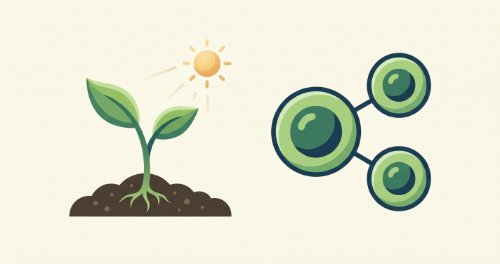
Life continues strictly through reproduction and growth. This course details how organisms multiply and develop over time. We examine asexual and sexual reproduction, the structure of the reproductive organs, and the exact steps of fertilisation. The curriculum also covers seed germination in plants alongside modern methods for the regulation of reproduction. You will observe the biological mechanisms driving cellular expansion and the continuation of life.
This biology module provides the factual basis required for agriculture, genetics, and obstetrics. Farmers use knowledge of plant reproduction and seed germination to multiply crop yields and manage food production. Medical students and health workers rely on these facts to understand human fertility and maternal health. You can apply these concepts directly to personal farming, animal breeding, or family planning decisions.
By the end of this module, you will accurately describe the anatomy of the reproductive organs in both humans and flowering plants. You will learn to explain the fusion of gametes during fertilisation, outline the environmental conditions necessary for the germination of seeds, and evaluate modern methods used for the control of human reproduction. You will acquire the scientific vocabulary needed to discuss reproductive health clearly and professionally.
We structured this material for senior secondary school students preparing for biology certificate examinations. The content acts as a strict prerequisite for university candidates targeting courses in medicine, pharmacy, or agricultural science. Secondary school leavers seeking a direct, factual explanation of biological growth, or farm owners wanting to improve their breeding techniques, will benefit immediately from this precise information.
Reproduction and Growth - Biology (Senior Secondary)
Life continues strictly through reproduction and growth. This course details how organisms multiply and develop over time. We examine asexual and sexual reproduction, the structure of the reproductive organs, and the exact steps of fertilisation. The curriculum also covers seed germination in plants alongside modern methods for the regulation of reproduction. You will observe the biological mechanisms driving cellular expansion and the continuation of life. This biology module provides the factual basis required for agriculture, genetics, and obstetrics. Farmers use knowledge of plant reproduction and seed germination to multiply crop yields and manage food production. Medical students and health workers rely on these facts to understand human fertility and maternal health. You can apply these concepts directly to personal farming, animal breeding, or family planning decisions. By the end of this module, you will accurately describe the anatomy of the reproductive organs in both humans and flowering plants. You will learn to explain the fusion of gametes during fertilisation, outline the environmental conditions necessary for the germination of seeds, and evaluate modern methods used for the control of human reproduction. You will acquire the scientific vocabulary needed to discuss reproductive health clearly and professionally. We structured this material for senior secondary school students preparing for biology certificate examinations. The content acts as a strict prerequisite for university candidates targeting courses in medicine, pharmacy, or agricultural science. Secondary school leavers seeking a direct, factual explanation of biological growth, or farm owners wanting to improve their breeding techniques, will benefit immediately from this precise information.
Introduction to Ecology - Biology (Senior Secondary)
Every living thing relies on its surroundings to survive. This course teaches the core rules of ecology. You will study the factors that control the distribution of organisms across different habitats. We cover symbiotic interactions, the flow of energy through ecosystems, and the cycling of nutrients in nature.
Understanding these principles is necessary for solving real environmental problems. You can apply this knowledge directly to careers in agriculture, forestry, conservation, and public health. This foundation helps you tackle urgent issues like pollution, climate change, and the destruction of habitats. Farmers and environmental managers use the rules of nutrient cycling to improve crop yields and protect wildlife.
You will learn to identify the physical and biological factors that determine the survival of organisms. You will classify different symbiotic relationships, including mutualism and parasitism. You will trace the transfer of energy through food chains and food webs. You will also map out major nutrient cycles, such as the carbon and nitrogen cycles, to see how matter moves through the environment.
This course is strictly for senior secondary biology students preparing for final exams. It also benefits university students who need a review of basic ecological concepts. Anyone interested in environmental science or farming will find the lessons useful. The simple explanations make the science clear for anyone wanting to understand how the natural world works.
Introduction to Ecology - Biology (Senior Secondary)
Every living thing relies on its surroundings to survive. This course teaches the core rules of ecology. You will study the factors that control the distribution of organisms across different habitats. We cover symbiotic interactions, the flow of energy through ecosystems, and the cycling of nutrients in nature. Understanding these principles is necessary for solving real environmental problems. You can apply this knowledge directly to careers in agriculture, forestry, conservation, and public health. This foundation helps you tackle urgent issues like pollution, climate change, and the destruction of habitats. Farmers and environmental managers use the rules of nutrient cycling to improve crop yields and protect wildlife. You will learn to identify the physical and biological factors that determine the survival of organisms. You will classify different symbiotic relationships, including mutualism and parasitism. You will trace the transfer of energy through food chains and food webs. You will also map out major nutrient cycles, such as the carbon and nitrogen cycles, to see how matter moves through the environment. This course is strictly for senior secondary biology students preparing for final exams. It also benefits university students who need a review of basic ecological concepts. Anyone interested in environmental science or farming will find the lessons useful. The simple explanations make the science clear for anyone wanting to understand how the natural world works.
Ecology of Populations - Biology (Senior Secondary)
Organisms do not live in isolation; they compete, breed, and survive together. This course examines the ecology of populations by exploring natural habitats and local biomes. We examine population density, effects of overcrowding, physical adaptations for survival, and ecological succession. You will study how species interact with the physical environment and adapt to changes over time.
Understanding dynamics of populations is essential for solving real environmental problems. You can apply this knowledge directly to wildlife management, urban planning, and conservation projects. Knowing how species react to space limits and food shortages helps professionals design sustainable cities and protect endangered animals. This science dictates how humans manage land and water resources to maintain ecological balance.
By completing this module, you will learn to calculate population density and identify specific traits that allow animals to survive harsh conditions. You will gain the ability to predict stages of ecological succession in a disturbed habitat. Furthermore, you will understand the exact consequences of overcrowding on resource availability and disease spread. These skills provide a strong foundation for advanced biology and environmental science tracks.
This course is built for Senior Secondary biology students preparing for final exams and university admission. It also serves anyone interested in environmental science, agriculture, or wildlife management. Junior students can use it to build early foundational knowledge, while adults outside formal education will find practical value for local farming and community planning. The content is structured to deliver clear facts without wasting time.
Ecology of Populations - Biology (Senior Secondary)
Organisms do not live in isolation; they compete, breed, and survive together. This course examines the ecology of populations by exploring natural habitats and local biomes. We examine population density, effects of overcrowding, physical adaptations for survival, and ecological succession. You will study how species interact with the physical environment and adapt to changes over time. Understanding dynamics of populations is essential for solving real environmental problems. You can apply this knowledge directly to wildlife management, urban planning, and conservation projects. Knowing how species react to space limits and food shortages helps professionals design sustainable cities and protect endangered animals. This science dictates how humans manage land and water resources to maintain ecological balance. By completing this module, you will learn to calculate population density and identify specific traits that allow animals to survive harsh conditions. You will gain the ability to predict stages of ecological succession in a disturbed habitat. Furthermore, you will understand the exact consequences of overcrowding on resource availability and disease spread. These skills provide a strong foundation for advanced biology and environmental science tracks. This course is built for Senior Secondary biology students preparing for final exams and university admission. It also serves anyone interested in environmental science, agriculture, or wildlife management. Junior students can use it to build early foundational knowledge, while adults outside formal education will find practical value for local farming and community planning. The content is structured to deliver clear facts without wasting time.
Microorganisms and Public Health - Biology (Senior Secondary)
Pathogens cause severe diseases, and public health systems exist to stop them. This course covers common and endemic diseases, easily transmissible infections, and disease syndromes. We examine disease vectors and the biological impact of drug abuse. You will learn exactly how these microorganisms spread and how to intercept them.
This knowledge forms the foundation for applied biology, nursing, and medicine. You can use these principles to prevent outbreaks, enforce hygiene standards, and control vectors. Understanding the life cycle of pathogens allows you to avoid infections and support public health efforts in your community.
Upon completion, you will identify disease vectors, explain the transmission of endemic diseases, and outline specific disease syndromes. You will also understand the consequences of drug abuse on human physiology. You will acquire the skills to assess health risks and execute basic measures for infection control.
This course is for Senior Secondary biology students preparing for examinations and medical tracks. It also serves university freshmen in health sciences and citizens seeking factual health education. Anyone who needs direct, practical knowledge about human health and disease prevention will find this material useful.
Microorganisms and Public Health - Biology (Senior Secondary)
Pathogens cause severe diseases, and public health systems exist to stop them. This course covers common and endemic diseases, easily transmissible infections, and disease syndromes. We examine disease vectors and the biological impact of drug abuse. You will learn exactly how these microorganisms spread and how to intercept them. This knowledge forms the foundation for applied biology, nursing, and medicine. You can use these principles to prevent outbreaks, enforce hygiene standards, and control vectors. Understanding the life cycle of pathogens allows you to avoid infections and support public health efforts in your community. Upon completion, you will identify disease vectors, explain the transmission of endemic diseases, and outline specific disease syndromes. You will also understand the consequences of drug abuse on human physiology. You will acquire the skills to assess health risks and execute basic measures for infection control. This course is for Senior Secondary biology students preparing for examinations and medical tracks. It also serves university freshmen in health sciences and citizens seeking factual health education. Anyone who needs direct, practical knowledge about human health and disease prevention will find this material useful.
Environment and Conservation - Biology (Senior Secondary)
Human survival relies on the proper management of natural resources. This course covers soil characteristics, soil fertility, pollution control, sanitation, sewage management, and resource conservation. It provides a direct study of how human actions affect the environment and the methods required to fix the resulting damage.
The practical application of this knowledge spans multiple industries. Students will learn the principles of resource management required for careers in civil engineering, agriculture, and environmental health. They can apply these concepts to real-world problems like the improvement of farm soil, the planning of waste disposal, and the execution of local water purification projects.
After completing this course, learners will understand how to test the fertility of soil, identify different types of pollution, and outline methods for pollution control. They will also comprehend the biological processes involved in the breakdown of sewage and master the rules for the conservation of forests, wildlife, and water bodies.
This course targets Senior Secondary School students preparing for their final biology examinations. It also provides significant value to university students who require a foundation in environmental science and independent learners seeking practical knowledge of public health and agriculture.
Environment and Conservation - Biology (Senior Secondary)
Human survival relies on the proper management of natural resources. This course covers soil characteristics, soil fertility, pollution control, sanitation, sewage management, and resource conservation. It provides a direct study of how human actions affect the environment and the methods required to fix the resulting damage. The practical application of this knowledge spans multiple industries. Students will learn the principles of resource management required for careers in civil engineering, agriculture, and environmental health. They can apply these concepts to real-world problems like the improvement of farm soil, the planning of waste disposal, and the execution of local water purification projects. After completing this course, learners will understand how to test the fertility of soil, identify different types of pollution, and outline methods for pollution control. They will also comprehend the biological processes involved in the breakdown of sewage and master the rules for the conservation of forests, wildlife, and water bodies. This course targets Senior Secondary School students preparing for their final biology examinations. It also provides significant value to university students who require a foundation in environmental science and independent learners seeking practical knowledge of public health and agriculture.
Genetics and Heredity - Biology (Senior Secondary)
Why do children resemble their parents but remain unique? This course explains the science of inheritance. You will study morphological and physiological variations, the structure of the chromosome, probability in genetics, sex-linked characters, and the application of biotechnology. It covers the mathematical and molecular logic of heredity.
Understanding heredity is essential for modern science and medicine. You can apply this knowledge directly to fields like bioinformatics, agriculture, and healthcare. Farmers use these principles to breed better crops and livestock; doctors use them to predict and treat genetic diseases. This module prepares you for advanced medical tracks and practical biotechnology.
By the end of the course, you will understand how traits pass from one generation to the next. You will know how to calculate the probability of genetic outcomes, identify sex-linked characters, and explain the role of the chromosome in heredity. You will also learn how biotechnology uses these principles to solve problems in medicine and agriculture.
This course targets Senior Secondary biology students preparing for final exams. It also benefits university freshmen taking introductory genetics or anyone seeking a clear understanding of human inheritance. Even if you are not pursuing a science career, this material provides foundational knowledge about the function of the cell and the transmission of traits.
Genetics and Heredity - Biology (Senior Secondary)
Why do children resemble their parents but remain unique? This course explains the science of inheritance. You will study morphological and physiological variations, the structure of the chromosome, probability in genetics, sex-linked characters, and the application of biotechnology. It covers the mathematical and molecular logic of heredity. Understanding heredity is essential for modern science and medicine. You can apply this knowledge directly to fields like bioinformatics, agriculture, and healthcare. Farmers use these principles to breed better crops and livestock; doctors use them to predict and treat genetic diseases. This module prepares you for advanced medical tracks and practical biotechnology. By the end of the course, you will understand how traits pass from one generation to the next. You will know how to calculate the probability of genetic outcomes, identify sex-linked characters, and explain the role of the chromosome in heredity. You will also learn how biotechnology uses these principles to solve problems in medicine and agriculture. This course targets Senior Secondary biology students preparing for final exams. It also benefits university freshmen taking introductory genetics or anyone seeking a clear understanding of human inheritance. Even if you are not pursuing a science career, this material provides foundational knowledge about the function of the cell and the transmission of traits.
Evolution and Adaptation - Biology (Senior Secondary)
Life on Earth constantly changes to ensure survival. This course explains the theories of evolution and the structural and behavioural adaptations of living organisms. We examine how physical traits change over time and review the direct evidence of evolution. You will study fossils, comparative anatomy, and the principles of natural selection.
Understanding adaptation explains why crop pests resist chemicals and how new diseases spread. You can apply this knowledge in agriculture to manage resistant insects, in medicine to track viruses, or in conservation to protect vulnerable species. This foundation directly supports practical work in paleontology, zoology, and environmental science.
After completing this module, you will understand the mechanism of natural selection and identify specific structural and behavioural adaptations in plants and animals. You will evaluate the historical evidence of evolution using fossil records, genetics, and anatomical comparisons. You will clearly explain how environmental pressures determine the survival of organisms.
This course is for Senior Secondary biology students preparing for WAEC, NECO, and JAMB examinations. It also benefits early university students who need a clear review of evolutionary biology. Anyone curious about the origins of life will build a strong factual foundation to understand the natural environment.
Evolution and Adaptation - Biology (Senior Secondary)
Life on Earth constantly changes to ensure survival. This course explains the theories of evolution and the structural and behavioural adaptations of living organisms. We examine how physical traits change over time and review the direct evidence of evolution. You will study fossils, comparative anatomy, and the principles of natural selection. Understanding adaptation explains why crop pests resist chemicals and how new diseases spread. You can apply this knowledge in agriculture to manage resistant insects, in medicine to track viruses, or in conservation to protect vulnerable species. This foundation directly supports practical work in paleontology, zoology, and environmental science. After completing this module, you will understand the mechanism of natural selection and identify specific structural and behavioural adaptations in plants and animals. You will evaluate the historical evidence of evolution using fossil records, genetics, and anatomical comparisons. You will clearly explain how environmental pressures determine the survival of organisms. This course is for Senior Secondary biology students preparing for WAEC, NECO, and JAMB examinations. It also benefits early university students who need a clear review of evolutionary biology. Anyone curious about the origins of life will build a strong factual foundation to understand the natural environment.