Chemistry
$ 59.99
Learning Track Courses

Nature of Matter - Chemistry (Senior Secondary)
Everything around you consists of matter. This course provides the framework to identify substances and understand how they interact through elements, compounds, and mixtures. You will learn the difference between physical and chemical changes, testing for purity through boiling and melting points, and mastering separation techniques including distillation, chromatography, and crystallisation.
Understanding matter serves as the foundation for modern science and engineering. Professionals in manufacturing, medicine, and research rely on these techniques to refine materials and ensure quality control. By applying these principles, you gain the ability to analyse raw materials, verify chemical purity, and perform industrial separation processes effectively.
Upon completion, you will demonstrate the ability to classify matter correctly based on physical properties. You will identify chemical reactions, predict outcomes of mixture separation, and explain the science of boiling and melting points. You will be able to perform calculations and apply the logical procedures of Mathematics to describe these physical states, ensuring precision in scientific investigation.
This course is tailored for senior secondary students preparing for examinations or further studies in science and engineering. Even if you are not a science student, the logic and analytical skills developed here are essential for logical reasoning and everyday problem solving. Any student or enthusiast interested in the fundamental principles of the physical world will find the content applicable and valuable.
Nature of Matter - Chemistry (Senior Secondary)
Everything around you consists of matter. This course provides the framework to identify substances and understand how they interact through elements, compounds, and mixtures. You will learn the difference between physical and chemical changes, testing for purity through boiling and melting points, and mastering separation techniques including distillation, chromatography, and crystallisation. Understanding matter serves as the foundation for modern science and engineering. Professionals in manufacturing, medicine, and research rely on these techniques to refine materials and ensure quality control. By applying these principles, you gain the ability to analyse raw materials, verify chemical purity, and perform industrial separation processes effectively. Upon completion, you will demonstrate the ability to classify matter correctly based on physical properties. You will identify chemical reactions, predict outcomes of mixture separation, and explain the science of boiling and melting points. You will be able to perform calculations and apply the logical procedures of Mathematics to describe these physical states, ensuring precision in scientific investigation. This course is tailored for senior secondary students preparing for examinations or further studies in science and engineering. Even if you are not a science student, the logic and analytical skills developed here are essential for logical reasoning and everyday problem solving. Any student or enthusiast interested in the fundamental principles of the physical world will find the content applicable and valuable.
Atomic Structure and Periodicity - Chemistry (Senior Secondary)
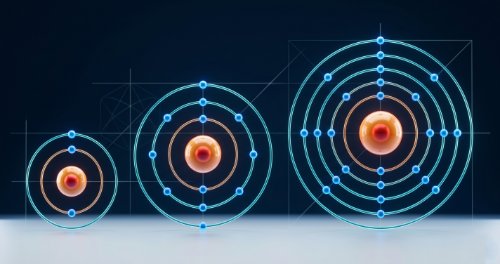
The physical universe operates on strict quantitative rules governed by the architecture of the atom. This mathematics course explains atomic structure and periodicity by examining the models of Dalton, Rutherford, and Bohr. We analyse subatomic particles, atomic numbers, mass numbers, and isotopes using precise calculations. We evaluate electron configurations, the periodic law, groups, and periods. You will observe numerical trends in ionisation energy, atomic radii, and electronegativity.
Predicting the mathematical behaviour of elements allows engineers to determine how physical materials will react. This foundational knowledge drives local manufacturing and industrialisation, which serve as the primary engines for national economic growth. If you plan to process raw materials, develop consumer goods, or work in mechanical engineering, you must calculate how atomic forces interact. Mastering these exact periodic trends prevents costly errors in real-world industrial production.
By the end of this syllabus, you will accurately compute the mass of isotopes and distribute electrons across specific orbitals using standard formulas. You will define the exact position of elements within the periodic table based on their structural numbers. You will map out periodic trends, applying strict mathematical logic to compare the radii and ionisation energies of distinct elements. You will predict structural stability by evaluating the electronegativity of atoms across periods and groups.
This course directly targets senior secondary students taking ordinary level examinations and UTME candidates requiring a high score for university admission. It provides rigorous preparation for science subjects by eliminating basic confusion and focusing on exact application. The material serves first-year undergraduate students taking foundation STEM courses who need a rapid review of core atomic rules. Anyone requiring a strict, practical understanding of chemical mathematics will find this material exact, relevant, and immediately useful.
Atomic Structure and Periodicity - Chemistry (Senior Secondary)
The physical universe operates on strict quantitative rules governed by the architecture of the atom. This mathematics course explains atomic structure and periodicity by examining the models of Dalton, Rutherford, and Bohr. We analyse subatomic particles, atomic numbers, mass numbers, and isotopes using precise calculations. We evaluate electron configurations, the periodic law, groups, and periods. You will observe numerical trends in ionisation energy, atomic radii, and electronegativity. Predicting the mathematical behaviour of elements allows engineers to determine how physical materials will react. This foundational knowledge drives local manufacturing and industrialisation, which serve as the primary engines for national economic growth. If you plan to process raw materials, develop consumer goods, or work in mechanical engineering, you must calculate how atomic forces interact. Mastering these exact periodic trends prevents costly errors in real-world industrial production. By the end of this syllabus, you will accurately compute the mass of isotopes and distribute electrons across specific orbitals using standard formulas. You will define the exact position of elements within the periodic table based on their structural numbers. You will map out periodic trends, applying strict mathematical logic to compare the radii and ionisation energies of distinct elements. You will predict structural stability by evaluating the electronegativity of atoms across periods and groups. This course directly targets senior secondary students taking ordinary level examinations and UTME candidates requiring a high score for university admission. It provides rigorous preparation for science subjects by eliminating basic confusion and focusing on exact application. The material serves first-year undergraduate students taking foundation STEM courses who need a rapid review of core atomic rules. Anyone requiring a strict, practical understanding of chemical mathematics will find this material exact, relevant, and immediately useful.
Stoichiometry - Chemistry (Senior Secondary)
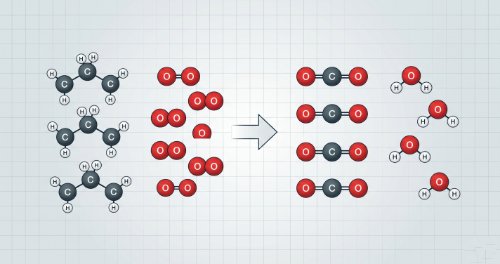
Chemical reactions follow exact mathematical rules rather than random chance. This course explains the exact quantities of substances consumed and produced during chemical processes. You will learn the laws of chemical combination, the concept of the mole, relative atomic mass, and molecular formulae. The content extends to balancing chemical equations and calculating reacting masses and volumes.
Quantitative chemical calculation serves as the standard mathematical language for curricula in engineering and pharmacy. Accurate measurement is critical for producing medicines, manufacturing industrial chemicals, and preventing dangerous reactions. This knowledge allows you to determine the exact proportions of raw materials required to produce a specific yield, reducing waste in practical industrial applications.
Upon completing this material, you will possess the ability to balance complex chemical equations and apply mathematical ratios to chemical reactions. You will calculate the exact masses and volumes of reactants and products. You will also determine empirical and molecular formulae from percentage composition data and use the concept of the mole to solve standard stoichiometric problems with absolute precision.
This course targets Senior Secondary School students preparing for standard examinations in chemistry. It is also highly valuable for first-year university students in science and engineering who require a practical refresher on fundamental calculations. Anyone interested in the mathematics of chemical reactions will find this material necessary for mastering the foundational principles of quantitative chemistry.
Stoichiometry - Chemistry (Senior Secondary)
Chemical reactions follow exact mathematical rules rather than random chance. This course explains the exact quantities of substances consumed and produced during chemical processes. You will learn the laws of chemical combination, the concept of the mole, relative atomic mass, and molecular formulae. The content extends to balancing chemical equations and calculating reacting masses and volumes. Quantitative chemical calculation serves as the standard mathematical language for curricula in engineering and pharmacy. Accurate measurement is critical for producing medicines, manufacturing industrial chemicals, and preventing dangerous reactions. This knowledge allows you to determine the exact proportions of raw materials required to produce a specific yield, reducing waste in practical industrial applications. Upon completing this material, you will possess the ability to balance complex chemical equations and apply mathematical ratios to chemical reactions. You will calculate the exact masses and volumes of reactants and products. You will also determine empirical and molecular formulae from percentage composition data and use the concept of the mole to solve standard stoichiometric problems with absolute precision. This course targets Senior Secondary School students preparing for standard examinations in chemistry. It is also highly valuable for first-year university students in science and engineering who require a practical refresher on fundamental calculations. Anyone interested in the mathematics of chemical reactions will find this material necessary for mastering the foundational principles of quantitative chemistry.

Kinetic Theory of Matter and Gas Laws - Chemistry (Senior Secondary)
Matter consists of particles in constant motion. This explains why solids hold their shape, liquids flow, and gases fill a container. This course covers the kinetic theory and the mathematics of gas behaviour. You will study the physical states of matter alongside the gas laws of Boyle, Charles, Dalton, and Avogadro, ending with the ideal gas equation.
Engineers and scientists use these principles daily. The pressure in a car tyre, the work of an engine, and the spread of smoke obey these exact rules. You will apply this knowledge to understand basic mechanical systems, compute pressure changes, and analyse real physical processes. It connects school chemistry directly to practical engineering.
Upon completion, you will calculate exact changes in the volume, pressure, and temperature of gases. You will explain the particle nature of solids, liquids, and gases. You will solve numerical problems using the ideal gas equation and the law of partial pressures of Dalton. You will acquire the exact mathematical equations needed to predict gas behaviour under specific physical conditions.
This course targets senior secondary students preparing for major chemistry examinations like WAEC and JAMB. It also supports first-year university students in engineering and physics needing a foundation in thermodynamics. Anyone studying the physical rules of nature will find this direct approach useful for mastering the mechanics of matter.
Kinetic Theory of Matter and Gas Laws - Chemistry (Senior Secondary)
Matter consists of particles in constant motion. This explains why solids hold their shape, liquids flow, and gases fill a container. This course covers the kinetic theory and the mathematics of gas behaviour. You will study the physical states of matter alongside the gas laws of Boyle, Charles, Dalton, and Avogadro, ending with the ideal gas equation. Engineers and scientists use these principles daily. The pressure in a car tyre, the work of an engine, and the spread of smoke obey these exact rules. You will apply this knowledge to understand basic mechanical systems, compute pressure changes, and analyse real physical processes. It connects school chemistry directly to practical engineering. Upon completion, you will calculate exact changes in the volume, pressure, and temperature of gases. You will explain the particle nature of solids, liquids, and gases. You will solve numerical problems using the ideal gas equation and the law of partial pressures of Dalton. You will acquire the exact mathematical equations needed to predict gas behaviour under specific physical conditions. This course targets senior secondary students preparing for major chemistry examinations like WAEC and JAMB. It also supports first-year university students in engineering and physics needing a foundation in thermodynamics. Anyone studying the physical rules of nature will find this direct approach useful for mastering the mechanics of matter.
Acids, Bases and Salts - Chemistry (Senior Secondary)
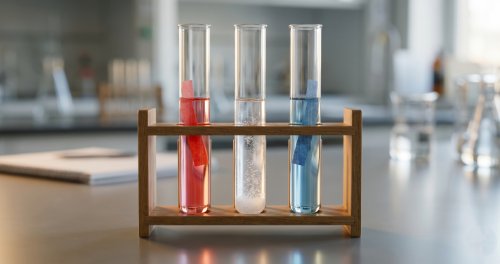
Aqueous chemical reactions govern everything from human digestion to industrial manufacturing. This course explains the core properties of acids, bases, and salts. You will study basicity, the pH scale, acid-base indicators, titration principles, salt preparation, and hydrolysis. The chemistry of aqueous ionic solutions unifies these concepts into a clear and practical framework.
Understanding these substances is critical for biological sciences and chemical engineering. Pharmacists use the principles of titration to formulate drugs, while agricultural engineers apply knowledge of the pH scale to treat soil. Mastering the behaviour of aqueous solutions allows you to solve real problems in medicine, environmental management, and industrial production.
After completing this course, you will accurately classify the types of acids and bases. You will calculate the concentration of solutions using titration data, select appropriate indicators for specific reactions, and predict the outcome of salt hydrolysis. You will also outline the precise laboratory methods required for the preparation of various salts.
This content targets senior secondary school students preparing for final science examinations like WAEC and JAMB. However, the foundational concepts provide immediate value to first-year university students reviewing general chemistry. Anyone needing a strict, factual review of ionic solutions will find this material directly applicable and easy to comprehend.
Acids, Bases and Salts - Chemistry (Senior Secondary)
Aqueous chemical reactions govern everything from human digestion to industrial manufacturing. This course explains the core properties of acids, bases, and salts. You will study basicity, the pH scale, acid-base indicators, titration principles, salt preparation, and hydrolysis. The chemistry of aqueous ionic solutions unifies these concepts into a clear and practical framework. Understanding these substances is critical for biological sciences and chemical engineering. Pharmacists use the principles of titration to formulate drugs, while agricultural engineers apply knowledge of the pH scale to treat soil. Mastering the behaviour of aqueous solutions allows you to solve real problems in medicine, environmental management, and industrial production. After completing this course, you will accurately classify the types of acids and bases. You will calculate the concentration of solutions using titration data, select appropriate indicators for specific reactions, and predict the outcome of salt hydrolysis. You will also outline the precise laboratory methods required for the preparation of various salts. This content targets senior secondary school students preparing for final science examinations like WAEC and JAMB. However, the foundational concepts provide immediate value to first-year university students reviewing general chemistry. Anyone needing a strict, factual review of ionic solutions will find this material directly applicable and easy to comprehend.

Chemical Thermodynamics - Chemistry (Senior Secondary)
Every chemical reaction involves energy. This course examines how heat transfers during physical and chemical processes. You will learn to calculate energy changes, classify endothermic and exothermic reactions, and determine if a reaction happens spontaneously using entropy and Gibbs free energy. The focus is strictly on the mathematics and principles of energy transformation.
Energy control is central to industrial production. Engineers use these exact principles to design car engines, build power plants, and manufacture chemical fertilisers. Understanding thermodynamics allows you to predict how much fuel a factory needs or how much heat a reaction will release. This knowledge is essential for careers in engineering, medicine, and environmental science.
By completing the modules, you will be able to apply the laws of thermodynamics to solve numerical problems. You will calculate the enthalpy of a chemical reaction, measure the entropy of a closed system, and use the formula of Gibbs free energy to predict reaction spontaneity. You will also learn to interpret phase diagrams and read energy profiles accurately.
This material targets senior secondary school students preparing for major examinations like WAEC, NECO, and JAMB. The direct teaching style also serves university freshmen needing a solid foundation in physical chemistry. Even adult learners transitioning into technical fields will find the clear mathematical approach highly beneficial for grasping advanced engineering concepts.
Chemical Thermodynamics - Chemistry (Senior Secondary)
Every chemical reaction involves energy. This course examines how heat transfers during physical and chemical processes. You will learn to calculate energy changes, classify endothermic and exothermic reactions, and determine if a reaction happens spontaneously using entropy and Gibbs free energy. The focus is strictly on the mathematics and principles of energy transformation. Energy control is central to industrial production. Engineers use these exact principles to design car engines, build power plants, and manufacture chemical fertilisers. Understanding thermodynamics allows you to predict how much fuel a factory needs or how much heat a reaction will release. This knowledge is essential for careers in engineering, medicine, and environmental science. By completing the modules, you will be able to apply the laws of thermodynamics to solve numerical problems. You will calculate the enthalpy of a chemical reaction, measure the entropy of a closed system, and use the formula of Gibbs free energy to predict reaction spontaneity. You will also learn to interpret phase diagrams and read energy profiles accurately. This material targets senior secondary school students preparing for major examinations like WAEC, NECO, and JAMB. The direct teaching style also serves university freshmen needing a solid foundation in physical chemistry. Even adult learners transitioning into technical fields will find the clear mathematical approach highly beneficial for grasping advanced engineering concepts.
Chemical Kinetics - Chemistry (Senior Secondary)
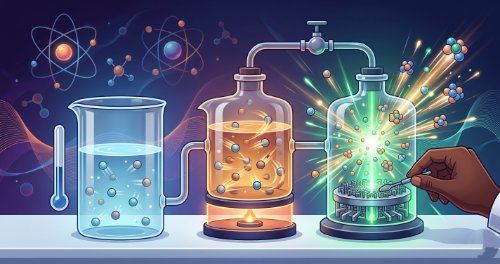
Time controls chemistry. This course details the exact variables that dictate the speed of chemical reactions. You will study how temperature, concentration, pressure, surface area and catalysts alter the rate of a reaction. We also examine the concept of activation energy alongside the interpretation of rate curves to predict chemical behaviour.
Understanding reaction speed is a critical requirement for industrial chemistry and manufacturing. You can apply this knowledge directly to chemical plant operations where controlling time saves money and resources. The concepts taught here explain everyday phenomena, from the rapid combustion of fuel in engines to methods for slowing down the spoilage of food.
By completing this module, you acquire specific skills to measure and calculate the rate of a chemical process. You learn to identify the correct catalyst for specific reactions, interpret energy profile diagrams and calculate the activation energy of a system. You also understand how to manipulate physical conditions to force a reaction to complete faster or slower.
This course is for senior secondary students preparing for major examinations like WAEC, NECO and JAMB. The fundamental principles also make it highly beneficial for first-year university students reviewing general chemistry. Anyone interested in the physical behaviour of chemicals will find the material practical, direct and simple to comprehend.
Chemical Kinetics - Chemistry (Senior Secondary)
Time controls chemistry. This course details the exact variables that dictate the speed of chemical reactions. You will study how temperature, concentration, pressure, surface area and catalysts alter the rate of a reaction. We also examine the concept of activation energy alongside the interpretation of rate curves to predict chemical behaviour. Understanding reaction speed is a critical requirement for industrial chemistry and manufacturing. You can apply this knowledge directly to chemical plant operations where controlling time saves money and resources. The concepts taught here explain everyday phenomena, from the rapid combustion of fuel in engines to methods for slowing down the spoilage of food. By completing this module, you acquire specific skills to measure and calculate the rate of a chemical process. You learn to identify the correct catalyst for specific reactions, interpret energy profile diagrams and calculate the activation energy of a system. You also understand how to manipulate physical conditions to force a reaction to complete faster or slower. This course is for senior secondary students preparing for major examinations like WAEC, NECO and JAMB. The fundamental principles also make it highly beneficial for first-year university students reviewing general chemistry. Anyone interested in the physical behaviour of chemicals will find the material practical, direct and simple to comprehend.

Chemical Equilibrium - Chemistry (Senior Secondary)
Many chemical reactions do not go to completion; they stop at a state of balance. This course teaches the core concepts of reversible reactions and dynamic equilibrium. Forward and backward reactions occur simultaneously at the same rate. We explain the constant of equilibrium and how to calculate it using concentration and pressure data. You will learn the exact mathematical relationship between reactants and products at the state of equilibrium.
Controlling the extent of a chemical reaction is a distinct requirement for manufacturing and process engineering. Industrial plants must maximise yield and minimise waste to remain profitable. You will see how the principle of Le Chatelier applies to large-scale chemical production. The course examines how changes in temperature, pressure and concentration shift the position of equilibrium. This knowledge is directly applicable to the Haber process for ammonia and the Contact process for sulphuric acid.
After completing this module, you will accurately predict the direction of reversible reactions. You will write expressions for the constant of equilibrium and calculate unknown concentrations. You will interpret graphs showing reaction rates over time and evaluate how varying external conditions affect product yield in closed systems. These specific skills are strictly necessary for passing standard examinations and understanding industrial chemistry.
This course is primarily for senior secondary school students preparing for terminal chemistry examinations. It provides a strict foundation for those aiming to study engineering, medicine or pure sciences at the university level. Junior students with a strong interest in science will find the clear explanations accessible. Adults seeking a refresher in basic chemistry for technical roles will also benefit from this direct approach to the principles of process control.
Chemical Equilibrium - Chemistry (Senior Secondary)
Many chemical reactions do not go to completion; they stop at a state of balance. This course teaches the core concepts of reversible reactions and dynamic equilibrium. Forward and backward reactions occur simultaneously at the same rate. We explain the constant of equilibrium and how to calculate it using concentration and pressure data. You will learn the exact mathematical relationship between reactants and products at the state of equilibrium. Controlling the extent of a chemical reaction is a distinct requirement for manufacturing and process engineering. Industrial plants must maximise yield and minimise waste to remain profitable. You will see how the principle of Le Chatelier applies to large-scale chemical production. The course examines how changes in temperature, pressure and concentration shift the position of equilibrium. This knowledge is directly applicable to the Haber process for ammonia and the Contact process for sulphuric acid. After completing this module, you will accurately predict the direction of reversible reactions. You will write expressions for the constant of equilibrium and calculate unknown concentrations. You will interpret graphs showing reaction rates over time and evaluate how varying external conditions affect product yield in closed systems. These specific skills are strictly necessary for passing standard examinations and understanding industrial chemistry. This course is primarily for senior secondary school students preparing for terminal chemistry examinations. It provides a strict foundation for those aiming to study engineering, medicine or pure sciences at the university level. Junior students with a strong interest in science will find the clear explanations accessible. Adults seeking a refresher in basic chemistry for technical roles will also benefit from this direct approach to the principles of process control.
Electrochemistry (Senior Secondary)
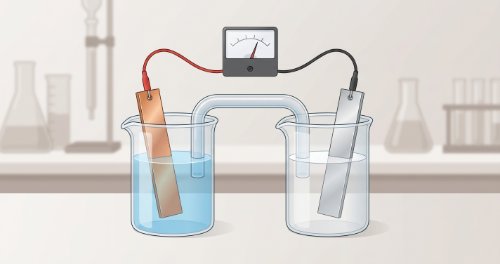
Electricity and chemical reactions combine to power batteries and industrial processes. This module explains the fundamental principles of electrochemistry. We cover the transfer of electrons during oxidation and reduction. The material details the physical operation of electrochemical cells, the laws of electrolysis by Faraday, and the exact methods used for the cathodic protection of metals.
Understanding these concepts is strictly required for anyone pursuing electrical engineering or metallurgy. Mobile phone batteries, metal plating, and rust prevention rely entirely on these chemical principles. You can apply this knowledge to build simple power cells or understand how industries prevent the corrosion of pipelines and bridges. The lessons provide a solid foundation for practical technical projects and advanced academic work.
Upon completing this course, you will accurately balance complex redox equations and calculate standard electrode potentials. You will be able to draw precise diagrams of galvanic and electrolytic cells; compute the mass of chemical substances deposited during electrolysis using the mathematical equations of Faraday; and select appropriate sacrificial metals for the protection of steel structures. These skills ensure you can solve standard examination questions and practical engineering problems.
This content is built specifically for senior secondary school students preparing for final science examinations in Nigeria and globally. It also functions as a highly effective refresher for first-year university students in chemistry or engineering programmes. Beginners possessing a basic grasp of atomic structure will find the technical progression logical and clear. The material delivers the exact academic requirements you need to pass and proceed.
Electrochemistry (Senior Secondary)
Electricity and chemical reactions combine to power batteries and industrial processes. This module explains the fundamental principles of electrochemistry. We cover the transfer of electrons during oxidation and reduction. The material details the physical operation of electrochemical cells, the laws of electrolysis by Faraday, and the exact methods used for the cathodic protection of metals. Understanding these concepts is strictly required for anyone pursuing electrical engineering or metallurgy. Mobile phone batteries, metal plating, and rust prevention rely entirely on these chemical principles. You can apply this knowledge to build simple power cells or understand how industries prevent the corrosion of pipelines and bridges. The lessons provide a solid foundation for practical technical projects and advanced academic work. Upon completing this course, you will accurately balance complex redox equations and calculate standard electrode potentials. You will be able to draw precise diagrams of galvanic and electrolytic cells; compute the mass of chemical substances deposited during electrolysis using the mathematical equations of Faraday; and select appropriate sacrificial metals for the protection of steel structures. These skills ensure you can solve standard examination questions and practical engineering problems. This content is built specifically for senior secondary school students preparing for final science examinations in Nigeria and globally. It also functions as a highly effective refresher for first-year university students in chemistry or engineering programmes. Beginners possessing a basic grasp of atomic structure will find the technical progression logical and clear. The material delivers the exact academic requirements you need to pass and proceed.
Nuclear Chemistry (Senior Secondary)
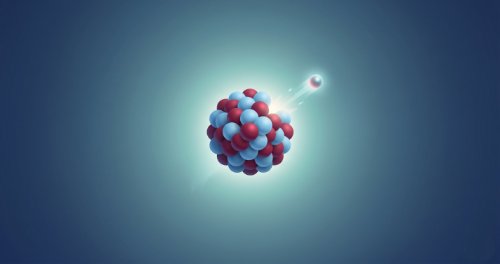
The nucleus is the core of chemistry. This course covers the fundamental principles of nuclear chemistry, focusing on natural and artificial radioactivity, nuclear stability, radioactive decay, half-life calculations, nuclear fission, and nuclear fusion. You will study how elements transform and release energy through nuclear processes. The curriculum separates nuclear reactions, which involve the nucleus, from standard valence-shell chemistry. The content is structured to provide a clear understanding of the mechanisms driving nuclear stability and decay.
Nuclear chemistry powers modern society and medicine. Understanding these principles allows you to analyse real-world applications in energy production, medical diagnostics, and environmental monitoring. The principles of radioactive decay and half-life are essential for dating archaeological artefacts and geological formations. Professionals in energy sectors, healthcare, and research use these concepts daily. Grasping nuclear fission and fusion provides insight into both nuclear reactors and the life cycle of stars.
Upon completion, you will possess specific, measurable skills in nuclear chemistry. You will be able to calculate half-lives and determine the stability of isotopes based on the ratio of neutrons to protons. You will understand the mechanisms of alpha, beta, and gamma decay, and predict the products of these nuclear reactions. Furthermore, you will be able to distinguish between natural and artificial radioactivity, and explain the energy changes associated with nuclear fission and fusion. This knowledge forms a solid foundation for advanced studies in physical sciences.
This course targets senior secondary students preparing for external examinations like WAEC, NECO, and JAMB. It also benefits first-year university students seeking a refresher on fundamental nuclear concepts, and anyone interested in the science behind nuclear energy and radioactivity. The material is presented directly, assuming basic prior knowledge of atomic structure but no previous exposure to nuclear chemistry. It bridges the gap between basic atomic theory and advanced nuclear physics.
Nuclear Chemistry (Senior Secondary)
The nucleus is the core of chemistry. This course covers the fundamental principles of nuclear chemistry, focusing on natural and artificial radioactivity, nuclear stability, radioactive decay, half-life calculations, nuclear fission, and nuclear fusion. You will study how elements transform and release energy through nuclear processes. The curriculum separates nuclear reactions, which involve the nucleus, from standard valence-shell chemistry. The content is structured to provide a clear understanding of the mechanisms driving nuclear stability and decay. Nuclear chemistry powers modern society and medicine. Understanding these principles allows you to analyse real-world applications in energy production, medical diagnostics, and environmental monitoring. The principles of radioactive decay and half-life are essential for dating archaeological artefacts and geological formations. Professionals in energy sectors, healthcare, and research use these concepts daily. Grasping nuclear fission and fusion provides insight into both nuclear reactors and the life cycle of stars. Upon completion, you will possess specific, measurable skills in nuclear chemistry. You will be able to calculate half-lives and determine the stability of isotopes based on the ratio of neutrons to protons. You will understand the mechanisms of alpha, beta, and gamma decay, and predict the products of these nuclear reactions. Furthermore, you will be able to distinguish between natural and artificial radioactivity, and explain the energy changes associated with nuclear fission and fusion. This knowledge forms a solid foundation for advanced studies in physical sciences. This course targets senior secondary students preparing for external examinations like WAEC, NECO, and JAMB. It also benefits first-year university students seeking a refresher on fundamental nuclear concepts, and anyone interested in the science behind nuclear energy and radioactivity. The material is presented directly, assuming basic prior knowledge of atomic structure but no previous exposure to nuclear chemistry. It bridges the gap between basic atomic theory and advanced nuclear physics.
Non-Metals - Chemistry (Senior Secondary)
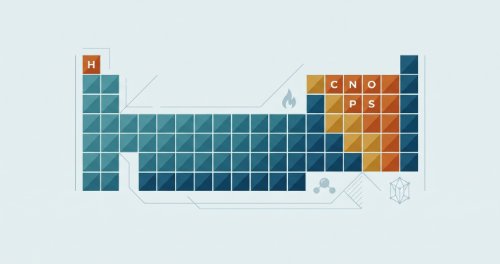
Non-metals govern chemical synthesis and industrial production. This course covers the laboratory and industrial preparation, properties, and direct applications of hydrogen, oxygen, nitrogen, carbon, and sulphur. It details the causes of water hardness and the standard methods of water treatment.
The descriptive chemistry of non-metallic elements provides factual knowledge essential for environmental engineering and manufacturing. Learners will apply this understanding to analyse industrial gas production, predict chemical behaviour in the environment, and solve practical water purification problems in their communities.
Learners will accurately describe the methods of preparation for specific non-metals and write balanced equations for their reactions. They will identify the physical and chemical properties of these elements, state their industrial uses, and apply the principles of water treatment to evaluate methods for removing hardness from water.
This course targets senior secondary students requiring a strict grasp of basic inorganic chemistry. It serves as a direct preparatory tool for school-leaving examinations and establishes a foundation for early university students entering the sciences or engineering. Any learner with a basic interest in chemistry will find the explanations useful for understanding everyday chemical interactions.
Non-Metals - Chemistry (Senior Secondary)
Non-metals govern chemical synthesis and industrial production. This course covers the laboratory and industrial preparation, properties, and direct applications of hydrogen, oxygen, nitrogen, carbon, and sulphur. It details the causes of water hardness and the standard methods of water treatment. The descriptive chemistry of non-metallic elements provides factual knowledge essential for environmental engineering and manufacturing. Learners will apply this understanding to analyse industrial gas production, predict chemical behaviour in the environment, and solve practical water purification problems in their communities. Learners will accurately describe the methods of preparation for specific non-metals and write balanced equations for their reactions. They will identify the physical and chemical properties of these elements, state their industrial uses, and apply the principles of water treatment to evaluate methods for removing hardness from water. This course targets senior secondary students requiring a strict grasp of basic inorganic chemistry. It serves as a direct preparatory tool for school-leaving examinations and establishes a foundation for early university students entering the sciences or engineering. Any learner with a basic interest in chemistry will find the explanations useful for understanding everyday chemical interactions.

Metals and Alloys - Chemistry (Senior Secondary)
Metals shape the physical world. This course covers the extraction, properties, and uses of alkali, alkaline-earth, and transition metals. You will study how these elements form the foundation of global infrastructure. We examine the chemical composition of common alloys and their mechanical advantages over pure elements. The instruction focuses strictly on industrial extraction methods and the physical properties of metallic elements.
Understanding the behaviour of metals is critical for mechanical and civil engineering. You will learn to select the right materials for construction, manufacturing, and structural design. Knowing how alloys resist corrosion or withstand stress applies directly to building safer bridges, vehicles, and machines. This knowledge translates to practical problem-solving in industrial environments and local fabrication workshops across Nigeria and the world.
Upon completion, you will understand the extraction processes for key industrial metals. You will predict the chemical reactivity and physical durability of different metallic groups. You will learn to determine the composition ratios of common alloys like steel, brass, and bronze. You will also gain the ability to match specific alloys to their structural applications based on load requirements and environmental exposure.
This course is primarily for senior secondary school chemistry students preparing for final examinations like WAEC and NECO. It also serves as a strong foundational course for first-year university students in engineering and physical sciences. Even local artisans or aspiring fabricators will benefit from understanding the science behind the metals they weld and shape daily.
Metals and Alloys - Chemistry (Senior Secondary)
Metals shape the physical world. This course covers the extraction, properties, and uses of alkali, alkaline-earth, and transition metals. You will study how these elements form the foundation of global infrastructure. We examine the chemical composition of common alloys and their mechanical advantages over pure elements. The instruction focuses strictly on industrial extraction methods and the physical properties of metallic elements. Understanding the behaviour of metals is critical for mechanical and civil engineering. You will learn to select the right materials for construction, manufacturing, and structural design. Knowing how alloys resist corrosion or withstand stress applies directly to building safer bridges, vehicles, and machines. This knowledge translates to practical problem-solving in industrial environments and local fabrication workshops across Nigeria and the world. Upon completion, you will understand the extraction processes for key industrial metals. You will predict the chemical reactivity and physical durability of different metallic groups. You will learn to determine the composition ratios of common alloys like steel, brass, and bronze. You will also gain the ability to match specific alloys to their structural applications based on load requirements and environmental exposure. This course is primarily for senior secondary school chemistry students preparing for final examinations like WAEC and NECO. It also serves as a strong foundational course for first-year university students in engineering and physical sciences. Even local artisans or aspiring fabricators will benefit from understanding the science behind the metals they weld and shape daily.
Basic Organic Chemistry (Senior Secondary)
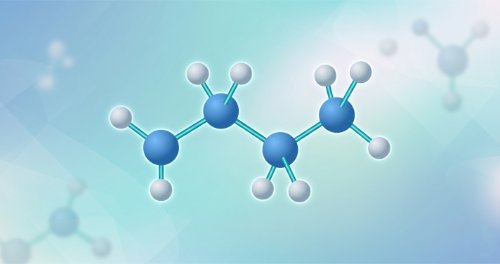
Carbon compounds form the physical basis of all life on Earth. This course explains the fundamental principles of organic chemistry for senior secondary students. You will study the tetravalency of carbon, structural isomerism, and the rules of IUPAC nomenclature. We also teach you how to determine empirical and molecular formulae from analytical data. Understanding these core concepts provides the necessary foundation before you study complex organic reactions.
The principles of organic chemistry apply directly to major global industries. Petroleum refining, medicine manufacturing, and agriculture depend on the precise identification of carbon compounds. In Nigeria, a strong grasp of these concepts is highly relevant for careers in the oil and gas sector. You can apply this structural logic to understand how everyday materials like plastics, fuels, and drugs are formulated and categorised.
By completing this course, you will acquire specific analytical skills. You will learn to draw valid structural representations of carbon chains and rings. You will be able to apply the rules of IUPAC nomenclature to name simple organic compounds accurately. Furthermore, you will calculate the empirical formula and the molecular formula of an unknown compound using percentage composition data and the molar mass of the substance.
This course targets senior secondary school students preparing for WAEC, NECO, and JAMB examinations. It gives science students a rigorous preparation for tertiary education. However, it also serves as a rapid refresher for first-year university students struggling with foundational chemistry. Anyone interested in the chemical sciences will benefit from mastering the structural logic of carbon compounds.
Basic Organic Chemistry (Senior Secondary)
Carbon compounds form the physical basis of all life on Earth. This course explains the fundamental principles of organic chemistry for senior secondary students. You will study the tetravalency of carbon, structural isomerism, and the rules of IUPAC nomenclature. We also teach you how to determine empirical and molecular formulae from analytical data. Understanding these core concepts provides the necessary foundation before you study complex organic reactions. The principles of organic chemistry apply directly to major global industries. Petroleum refining, medicine manufacturing, and agriculture depend on the precise identification of carbon compounds. In Nigeria, a strong grasp of these concepts is highly relevant for careers in the oil and gas sector. You can apply this structural logic to understand how everyday materials like plastics, fuels, and drugs are formulated and categorised. By completing this course, you will acquire specific analytical skills. You will learn to draw valid structural representations of carbon chains and rings. You will be able to apply the rules of IUPAC nomenclature to name simple organic compounds accurately. Furthermore, you will calculate the empirical formula and the molecular formula of an unknown compound using percentage composition data and the molar mass of the substance. This course targets senior secondary school students preparing for WAEC, NECO, and JAMB examinations. It gives science students a rigorous preparation for tertiary education. However, it also serves as a rapid refresher for first-year university students struggling with foundational chemistry. Anyone interested in the chemical sciences will benefit from mastering the structural logic of carbon compounds.
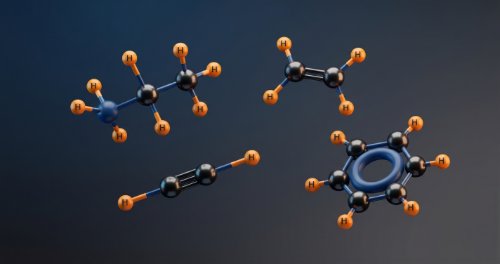
Hydrocarbons - Chemistry (Senior Secondary)
Everything from the fuel in generators to daily plastics starts with carbon and hydrogen. This course covers aliphatic hydrocarbons, including alkanes, alkenes, and alkynes, alongside aromatic compounds like benzene. We examine the composition of petroleum and detail the industrial processes of fractional distillation and cracking. These structures form the basic backbone for all downstream organic synthesis.
Hydrocarbons drive the global economy and power the energy sector of Nigeria. Understanding the chemistry of these compounds is essential for careers in petrochemicals, manufacturing, and energy production. You will apply this knowledge to understand fuel grading, polymer synthesis, and industrial refining processes. This foundation directly prepares you for practical laboratory work and industrial applications.
Upon completing this course, you will name organic compounds using standard rules and draw structural formulae for various isomers. You will identify the physical and chemical properties of different hydrocarbon classes. You will explain how crude oil is separated into useful fractions and describe the thermal and catalytic cracking of heavy fractions. You will also master the exact reaction mechanisms for substitution and addition reactions.
This course is built for senior secondary school students preparing for terminal examinations like WAEC, NECO, and JAMB. It is also beneficial for university freshmen requiring a strict refresher in basic organic chemistry. Anyone curious about the chemical industry will find direct explanations of complex industrial processes here. The content bridges the gap between theoretical classroom chemistry and real-world industrial practice.
Hydrocarbons - Chemistry (Senior Secondary)
Everything from the fuel in generators to daily plastics starts with carbon and hydrogen. This course covers aliphatic hydrocarbons, including alkanes, alkenes, and alkynes, alongside aromatic compounds like benzene. We examine the composition of petroleum and detail the industrial processes of fractional distillation and cracking. These structures form the basic backbone for all downstream organic synthesis. Hydrocarbons drive the global economy and power the energy sector of Nigeria. Understanding the chemistry of these compounds is essential for careers in petrochemicals, manufacturing, and energy production. You will apply this knowledge to understand fuel grading, polymer synthesis, and industrial refining processes. This foundation directly prepares you for practical laboratory work and industrial applications. Upon completing this course, you will name organic compounds using standard rules and draw structural formulae for various isomers. You will identify the physical and chemical properties of different hydrocarbon classes. You will explain how crude oil is separated into useful fractions and describe the thermal and catalytic cracking of heavy fractions. You will also master the exact reaction mechanisms for substitution and addition reactions. This course is built for senior secondary school students preparing for terminal examinations like WAEC, NECO, and JAMB. It is also beneficial for university freshmen requiring a strict refresher in basic organic chemistry. Anyone curious about the chemical industry will find direct explanations of complex industrial processes here. The content bridges the gap between theoretical classroom chemistry and real-world industrial practice.
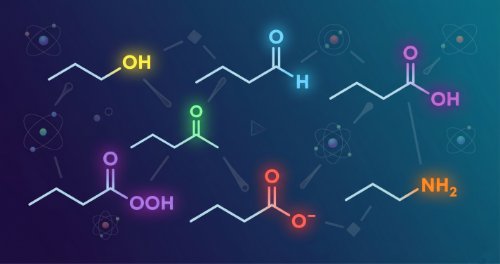
Other Organic Families - Chemistry (Senior Secondary)
Organic functional groups beyond basic hydrocarbons dictate the exact behaviour of all complex molecules. This course details the preparation and chemical reactions of alkanols, alkanals, alkanones, alkanoic acids, alkanoates, and amines. You will study how these specific organic families form, interact, and transform into one another. The instruction moves strictly from structural identification to reaction mechanisms without time-wasting repetition.
These functional group transformations form the literal foundation of pharmaceutical manufacturing and biochemical studies. You will apply this specific knowledge to understand drug synthesis, food preservation, and the industrial production of plastics, soaps, and artificial flavours. This practical chemistry is a strict requirement for professional careers in medicine, pharmacy, chemical engineering, and agriculture. Understanding the reactions of the functional groups enables you to accurately predict chemical behaviour in university laboratories and industrial manufacturing plants.
By the end of this module, you will correctly identify and name these organic molecules using standard IUPAC rules. You will write precisely balanced chemical equations for the laboratory and industrial preparation of the specified organic compounds. You will predict the exact products of oxidation, reduction, esterification, and hydrolysis reactions. Finally, you will relate the physical state and boiling points directly to the structure of the molecules, giving you absolute control over complex organic synthesis problems.
This course is built strictly for senior secondary school science students preparing for WAEC, NECO, and JAMB examinations in Nigeria and across West Africa. The highly direct approach also provides a necessary structural review for first-year university students struggling with advanced organic chemistry. Furthermore, independent learners seeking a firm, practical understanding of the chemical interactions present in everyday consumer products will find these straightforward explanations immediately useful.
Other Organic Families - Chemistry (Senior Secondary)
Organic functional groups beyond basic hydrocarbons dictate the exact behaviour of all complex molecules. This course details the preparation and chemical reactions of alkanols, alkanals, alkanones, alkanoic acids, alkanoates, and amines. You will study how these specific organic families form, interact, and transform into one another. The instruction moves strictly from structural identification to reaction mechanisms without time-wasting repetition. These functional group transformations form the literal foundation of pharmaceutical manufacturing and biochemical studies. You will apply this specific knowledge to understand drug synthesis, food preservation, and the industrial production of plastics, soaps, and artificial flavours. This practical chemistry is a strict requirement for professional careers in medicine, pharmacy, chemical engineering, and agriculture. Understanding the reactions of the functional groups enables you to accurately predict chemical behaviour in university laboratories and industrial manufacturing plants. By the end of this module, you will correctly identify and name these organic molecules using standard IUPAC rules. You will write precisely balanced chemical equations for the laboratory and industrial preparation of the specified organic compounds. You will predict the exact products of oxidation, reduction, esterification, and hydrolysis reactions. Finally, you will relate the physical state and boiling points directly to the structure of the molecules, giving you absolute control over complex organic synthesis problems. This course is built strictly for senior secondary school science students preparing for WAEC, NECO, and JAMB examinations in Nigeria and across West Africa. The highly direct approach also provides a necessary structural review for first-year university students struggling with advanced organic chemistry. Furthermore, independent learners seeking a firm, practical understanding of the chemical interactions present in everyday consumer products will find these straightforward explanations immediately useful.
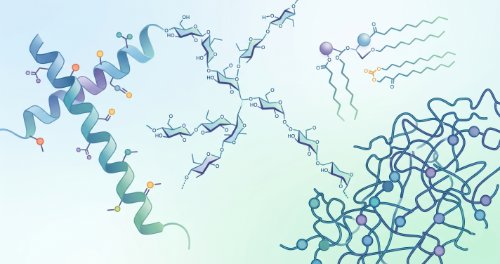
Giant Organic Molecules - Chemistry (Senior Secondary)
Massive molecules build living organisms and industrial materials. This course explains the structure and chemical properties of carbohydrates, proteins, and lipids. You will learn the mechanics of addition and condensation polymerisation. We examine natural and synthetic polymers to show how basic units form complex structures.
This knowledge is vital for medicine, nutrition, and engineering. Understanding the structure of these molecules allows you to analyse food content and explain human energy processing. It reveals the chemical basis of plastics, fibres, and manufacturing materials. You will apply these core principles directly to healthcare and industrial processing.
You will classify specific macromolecules and identify the chemical bonds within them. You will draw the physical structures of carbohydrates, proteins, and lipids. You will write balanced equations to represent the synthesis of various polymers. You will differentiate between the mechanisms of addition and condensation reactions in polymer production.
This course is for senior secondary students mastering chemistry for major examinations. It covers the exact syllabus requirements for this level. University students can use this content to revise the fundamental principles of organic chemistry. Anyone needing a clear grasp of large-scale chemical structures will benefit from this material.
Giant Organic Molecules - Chemistry (Senior Secondary)
Massive molecules build living organisms and industrial materials. This course explains the structure and chemical properties of carbohydrates, proteins, and lipids. You will learn the mechanics of addition and condensation polymerisation. We examine natural and synthetic polymers to show how basic units form complex structures. This knowledge is vital for medicine, nutrition, and engineering. Understanding the structure of these molecules allows you to analyse food content and explain human energy processing. It reveals the chemical basis of plastics, fibres, and manufacturing materials. You will apply these core principles directly to healthcare and industrial processing. You will classify specific macromolecules and identify the chemical bonds within them. You will draw the physical structures of carbohydrates, proteins, and lipids. You will write balanced equations to represent the synthesis of various polymers. You will differentiate between the mechanisms of addition and condensation reactions in polymer production. This course is for senior secondary students mastering chemistry for major examinations. It covers the exact syllabus requirements for this level. University students can use this content to revise the fundamental principles of organic chemistry. Anyone needing a clear grasp of large-scale chemical structures will benefit from this material.

Applied Chemistry (Senior Secondary)
Chemistry controls everything from the air we breathe to the products we use. This course explains how chemical principles work in real life. We examine environmental pollution across air, water, and soil; chemical industries; biotechnology; and astronomical chemistry. It connects classroom theories to physical realities.
The concepts here solve physical problems. You will learn how to manage environmental pollution in local communities and understand the operations of manufacturing plants. This knowledge directly supports careers in water treatment, agriculture, and industrial production. You will see exactly how companies convert raw materials into finished goods and how biotechnology improves local food and medicine.
You will learn the exact causes of pollution and the methods for controlling it. You will master the basic processes of major chemical industries, explain the function of biotechnology in modern science, and identify the chemical composition of stars and planets. You will gain the ability to apply theoretical principles of chemistry to practical industrial and environmental management.
This course is strictly for Senior Secondary students taking science subjects. However, first-year university students in science and engineering will find it useful as a foundation. It also serves anyone curious about the physical sciences and the core operations of chemical industries. Beginners lacking prior knowledge can follow the simple explanations to understand the impact of chemistry on the natural environment.
Applied Chemistry (Senior Secondary)
Chemistry controls everything from the air we breathe to the products we use. This course explains how chemical principles work in real life. We examine environmental pollution across air, water, and soil; chemical industries; biotechnology; and astronomical chemistry. It connects classroom theories to physical realities. The concepts here solve physical problems. You will learn how to manage environmental pollution in local communities and understand the operations of manufacturing plants. This knowledge directly supports careers in water treatment, agriculture, and industrial production. You will see exactly how companies convert raw materials into finished goods and how biotechnology improves local food and medicine. You will learn the exact causes of pollution and the methods for controlling it. You will master the basic processes of major chemical industries, explain the function of biotechnology in modern science, and identify the chemical composition of stars and planets. You will gain the ability to apply theoretical principles of chemistry to practical industrial and environmental management. This course is strictly for Senior Secondary students taking science subjects. However, first-year university students in science and engineering will find it useful as a foundation. It also serves anyone curious about the physical sciences and the core operations of chemical industries. Beginners lacking prior knowledge can follow the simple explanations to understand the impact of chemistry on the natural environment.