Economics
$ 59.99
Learning Track Courses

Basic Economic Concepts - Economics (Senior Secondary)
Resources are limited while human wants remain unlimited, creating the fundamental economic problem of scarcity that necessitates choice. This course examines how individuals and societies allocate scarce resources through scale of preference, opportunity cost, and rational decision making to satisfy competing needs efficiently.
Students apply these concepts to analyse real allocation problems within Nigerian households, businesses, and government policy frameworks. Knowledge of production, distribution, and consumption enables learners to evaluate resource use efficiency in local markets and understand the trade-offs inherent in national development planning or personal financial management.
Learners will define wants, scarcity, choice, scale of preference, opportunity cost, and rationality; distinguish between production, distribution, and consumption; solve the problems of what, how, and for whom to produce; calculate opportunity cost using given data; and construct, interpret, and apply the production possibility frontier to demonstrate efficiency, inefficiency, and unattainable output combinations.
This course targets Senior Secondary students preparing for Economics examinations who require a firm grasp of foundational principles. Early university students needing revision of core concepts and vocational learners seeking practical understanding of resource allocation also benefit from this structured, syllabus-aligned content delivered without unnecessary abstraction.
Basic Economic Concepts - Economics (Senior Secondary)
Resources are limited while human wants remain unlimited, creating the fundamental economic problem of scarcity that necessitates choice. This course examines how individuals and societies allocate scarce resources through scale of preference, opportunity cost, and rational decision making to satisfy competing needs efficiently. Students apply these concepts to analyse real allocation problems within Nigerian households, businesses, and government policy frameworks. Knowledge of production, distribution, and consumption enables learners to evaluate resource use efficiency in local markets and understand the trade-offs inherent in national development planning or personal financial management. Learners will define wants, scarcity, choice, scale of preference, opportunity cost, and rationality; distinguish between production, distribution, and consumption; solve the problems of what, how, and for whom to produce; calculate opportunity cost using given data; and construct, interpret, and apply the production possibility frontier to demonstrate efficiency, inefficiency, and unattainable output combinations. This course targets Senior Secondary students preparing for Economics examinations who require a firm grasp of foundational principles. Early university students needing revision of core concepts and vocational learners seeking practical understanding of resource allocation also benefit from this structured, syllabus-aligned content delivered without unnecessary abstraction.

Economic Analysis Tools - Economics (Senior Secondary)
Economic analysis requires specific tools to interpret data and construct valid arguments. This course covers inductive and deductive reasoning, positive and normative statements, tables, charts, graphs, mean, median, mode, range, variance, and standard deviation. You will learn the specific merits and demerits of each analytical tool to select the correct method for any given economic problem.
Students apply these methods to solve standard examination questions and interpret real Nigerian economic data. Knowledge of statistical measures enables accurate analysis of inflation rates, market prices, and national income figures for academic projects or business decisions. Understanding logical frameworks prevents errors when evaluating government policies or distinguishing factual claims from value judgements in news reports.
Learners will master the calculation of central tendency and dispersion measures using standard formulae. The curriculum teaches construction and interpretation of bar charts, pie charts, histograms, and line graphs alongside tabular data presentation. Students will differentiate between inductive and deductive logic and correctly classify statements as positive or normative while identifying the specific advantages and limitations of every tool covered.
This course targets Senior Secondary students preparing for external examinations who need structured revision of quantitative and qualitative analysis techniques. Early university students studying introductory economics also benefit from this rigorous foundation in core analytical methods. School leavers entering vocational programmes gain practical data literacy skills applicable to small business management and personal financial planning within the Nigerian economy.
Economic Analysis Tools - Economics (Senior Secondary)
Economic analysis requires specific tools to interpret data and construct valid arguments. This course covers inductive and deductive reasoning, positive and normative statements, tables, charts, graphs, mean, median, mode, range, variance, and standard deviation. You will learn the specific merits and demerits of each analytical tool to select the correct method for any given economic problem. Students apply these methods to solve standard examination questions and interpret real Nigerian economic data. Knowledge of statistical measures enables accurate analysis of inflation rates, market prices, and national income figures for academic projects or business decisions. Understanding logical frameworks prevents errors when evaluating government policies or distinguishing factual claims from value judgements in news reports. Learners will master the calculation of central tendency and dispersion measures using standard formulae. The curriculum teaches construction and interpretation of bar charts, pie charts, histograms, and line graphs alongside tabular data presentation. Students will differentiate between inductive and deductive logic and correctly classify statements as positive or normative while identifying the specific advantages and limitations of every tool covered. This course targets Senior Secondary students preparing for external examinations who need structured revision of quantitative and qualitative analysis techniques. Early university students studying introductory economics also benefit from this rigorous foundation in core analytical methods. School leavers entering vocational programmes gain practical data literacy skills applicable to small business management and personal financial planning within the Nigerian economy.

Economic Systems - Economics (Senior Secondary)
Every modern nation faces the fundamental problem of resource scarcity, forcing choices regarding what to produce, how to produce it, and who gets the output. This course explains how distinct economic systems solve these basic economic problems. It covers free enterprise, centrally planned, and mixed economies, detailing the characteristics of each model alongside an analysis of contemporary Nigerian reforms.
This subject has direct relevance to national life and global trade. You will apply this knowledge to interpret government policies, predict price changes, and understand market behaviour in Nigeria. This foundation is necessary to pass standard matriculation exams and serves as the basis for future analysis of national budgets, commercial planning, and advanced study in finance or public administration.
You will master the logical frameworks used for resource allocation under different ideologies. You will learn the formulas to calculate equilibrium pricing in a system of free enterprise, compare the productivity of the public sector against the efficiency of the private sector, and apply the concept of opportunity cost to production choices. The course focuses on the exact technical skills required to evaluate the functions of the price mechanism, directives of central planning, and structural changes within the economy of Nigeria.
This material is primarily for Nigerian secondary school leavers preparing for standard matriculation exams. It provides the exact factual content and analytical methods required to pass these assessments. The course is also beneficial for early university students needing a basic refresher, and young business owners requiring a clear understanding of the structure of the market to make accurate commercial decisions.
Economic Systems - Economics (Senior Secondary)
Every modern nation faces the fundamental problem of resource scarcity, forcing choices regarding what to produce, how to produce it, and who gets the output. This course explains how distinct economic systems solve these basic economic problems. It covers free enterprise, centrally planned, and mixed economies, detailing the characteristics of each model alongside an analysis of contemporary Nigerian reforms. This subject has direct relevance to national life and global trade. You will apply this knowledge to interpret government policies, predict price changes, and understand market behaviour in Nigeria. This foundation is necessary to pass standard matriculation exams and serves as the basis for future analysis of national budgets, commercial planning, and advanced study in finance or public administration. You will master the logical frameworks used for resource allocation under different ideologies. You will learn the formulas to calculate equilibrium pricing in a system of free enterprise, compare the productivity of the public sector against the efficiency of the private sector, and apply the concept of opportunity cost to production choices. The course focuses on the exact technical skills required to evaluate the functions of the price mechanism, directives of central planning, and structural changes within the economy of Nigeria. This material is primarily for Nigerian secondary school leavers preparing for standard matriculation exams. It provides the exact factual content and analytical methods required to pass these assessments. The course is also beneficial for early university students needing a basic refresher, and young business owners requiring a clear understanding of the structure of the market to make accurate commercial decisions.
Demand Theory - Economics (Senior Secondary)
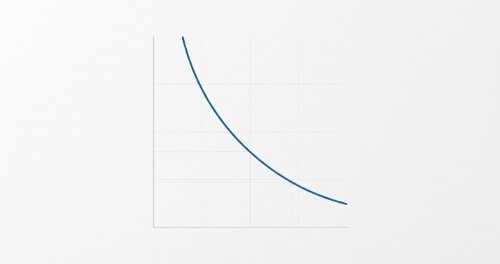
Every market transaction depends on the relationship between price and quantity. This course covers the fundamental principles of demand theory in economics. You will study the exact meaning of demand and the specific factors that determine it. The lessons examine demand schedules and curves to show how price variations affect consumer choices. We also analyse the critical difference between a change in quantity demanded and a change in demand.
Understanding consumer behaviour is strictly necessary for making accurate business and economic decisions. This knowledge allows you to predict how market shocks will alter prices and product availability in the real world. In your academic exams, applying these concepts will help you answer complex graphical and theoretical questions accurately. Future business owners and policy makers will use these exact principles to set prices, forecast sales, and manage physical supply chains effectively.
By the end of this course, you will master the logical frameworks used to calculate and interpret market responses. You will identify and model composite, derived, competitive, and joint demand scenarios accurately. You will also calculate the price, income, and cross elasticity of demand using standard percentage formulas. This gives you the technical skills to read market graphs, interpret elasticity coefficients, and determine whether goods are normal, substitutes, or complements.
This course is primarily for Nigerian senior secondary school students and recent leavers preparing for standard matriculation exams. It is also highly useful for early university students taking introductory economics modules. Grasping the fundamental concepts of demand provides a massive advantage for passing standard exams like WAEC, NECO, and JAMB. Even non-economics students will benefit from the clear explanations of how daily pricing decisions affect their personal finances.
Demand Theory - Economics (Senior Secondary)
Every market transaction depends on the relationship between price and quantity. This course covers the fundamental principles of demand theory in economics. You will study the exact meaning of demand and the specific factors that determine it. The lessons examine demand schedules and curves to show how price variations affect consumer choices. We also analyse the critical difference between a change in quantity demanded and a change in demand. Understanding consumer behaviour is strictly necessary for making accurate business and economic decisions. This knowledge allows you to predict how market shocks will alter prices and product availability in the real world. In your academic exams, applying these concepts will help you answer complex graphical and theoretical questions accurately. Future business owners and policy makers will use these exact principles to set prices, forecast sales, and manage physical supply chains effectively. By the end of this course, you will master the logical frameworks used to calculate and interpret market responses. You will identify and model composite, derived, competitive, and joint demand scenarios accurately. You will also calculate the price, income, and cross elasticity of demand using standard percentage formulas. This gives you the technical skills to read market graphs, interpret elasticity coefficients, and determine whether goods are normal, substitutes, or complements. This course is primarily for Nigerian senior secondary school students and recent leavers preparing for standard matriculation exams. It is also highly useful for early university students taking introductory economics modules. Grasping the fundamental concepts of demand provides a massive advantage for passing standard exams like WAEC, NECO, and JAMB. Even non-economics students will benefit from the clear explanations of how daily pricing decisions affect their personal finances.

Consumer Behaviour Theory - Economics (Senior Secondary)
Every consumer faces limited income but unlimited wants, forcing them to make choices daily. This course examines Consumer Behaviour Theory to explain how individuals make these choices. It covers both cardinal and ordinal utility theories. Students study the law of diminishing marginal utility to understand why satisfaction drops as consumption increases. The curriculum also analyses indifference curves and budget lines.
Understanding these principles is crucial for students preparing for examinations and future careers in business or public policy. Buyers use these concepts to maximise satisfaction with limited money. Sellers and producers rely on the same theories to set prices and predict market demand. Learners apply this knowledge to interpret real-world pricing strategies and make better personal financial decisions.
By the end of this course, learners master the mathematical calculation of marginal utility and total utility. They learn to plot and interpret the slope of the indifference curve and the gradient of the budget line. Students will calculate consumer equilibrium using specific equations to find the exact point where satisfaction is highest. The course also trains them to compute consumer surplus to measure the benefit a buyer gets when paying less than the maximum willing price.
This course is primarily for Nigerian secondary school students and recent leavers preparing for their final examinations. It also benefits early university students taking introductory economics modules. The content provides a strict academic foundation for anyone needing to understand microeconomic principles. Secondary students gain the exact knowledge required to pass national exams, while older learners build a solid base for advanced economic analysis.
Consumer Behaviour Theory - Economics (Senior Secondary)
Every consumer faces limited income but unlimited wants, forcing them to make choices daily. This course examines Consumer Behaviour Theory to explain how individuals make these choices. It covers both cardinal and ordinal utility theories. Students study the law of diminishing marginal utility to understand why satisfaction drops as consumption increases. The curriculum also analyses indifference curves and budget lines. Understanding these principles is crucial for students preparing for examinations and future careers in business or public policy. Buyers use these concepts to maximise satisfaction with limited money. Sellers and producers rely on the same theories to set prices and predict market demand. Learners apply this knowledge to interpret real-world pricing strategies and make better personal financial decisions. By the end of this course, learners master the mathematical calculation of marginal utility and total utility. They learn to plot and interpret the slope of the indifference curve and the gradient of the budget line. Students will calculate consumer equilibrium using specific equations to find the exact point where satisfaction is highest. The course also trains them to compute consumer surplus to measure the benefit a buyer gets when paying less than the maximum willing price. This course is primarily for Nigerian secondary school students and recent leavers preparing for their final examinations. It also benefits early university students taking introductory economics modules. The content provides a strict academic foundation for anyone needing to understand microeconomic principles. Secondary students gain the exact knowledge required to pass national exams, while older learners build a solid base for advanced economic analysis.
Supply and Price Determination - Economics (Senior Secondary)
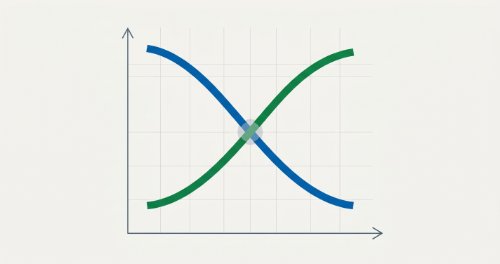
Markets operate on strict rules of supply and price. This course covers the exact mechanisms producers use to supply goods and how markets find balance. It explains the meaning of supply, its determinants, schedules, and curves alongside joint, competitive, and composite supply types. You will study supply elasticity, price system functions, and equilibrium in product and factor markets. It includes the effects of supply and demand shifts, price legislation, and simple linear equations to explain pricing mechanics.
Understanding these concepts allows you to predict market changes and pricing structures. Producers use these metrics to maximise profit, while governments use legislation to control prices. You can apply this knowledge to evaluate business decisions, understand local trade, and interpret daily market shifts in Nigeria and globally. It provides a concrete foundation for business, finance, and public policy by explaining exactly how market forces set prices.
By the end of the modules, you will accurately define supply and plot supply curves from schedules. You will calculate the elasticity of supply and apply simple linear equations to solve practical market problems. You will determine market equilibrium, analyse the effects of supply shifts, and evaluate the impact of minimum and maximum price legislation. These exact skills give you a clear mathematical and logical framework to analyse the pricing of goods.
This material targets senior secondary students preparing for the JAMB UTME and other leaving examinations. It also directly benefits university freshmen requiring a refresher on fundamental economic principles and everyday people seeking to understand market operations. Any learner without prior economic background can use this clear structure to master the basic rules of supply and the determination of prices.
Supply and Price Determination - Economics (Senior Secondary)
Markets operate on strict rules of supply and price. This course covers the exact mechanisms producers use to supply goods and how markets find balance. It explains the meaning of supply, its determinants, schedules, and curves alongside joint, competitive, and composite supply types. You will study supply elasticity, price system functions, and equilibrium in product and factor markets. It includes the effects of supply and demand shifts, price legislation, and simple linear equations to explain pricing mechanics. Understanding these concepts allows you to predict market changes and pricing structures. Producers use these metrics to maximise profit, while governments use legislation to control prices. You can apply this knowledge to evaluate business decisions, understand local trade, and interpret daily market shifts in Nigeria and globally. It provides a concrete foundation for business, finance, and public policy by explaining exactly how market forces set prices. By the end of the modules, you will accurately define supply and plot supply curves from schedules. You will calculate the elasticity of supply and apply simple linear equations to solve practical market problems. You will determine market equilibrium, analyse the effects of supply shifts, and evaluate the impact of minimum and maximum price legislation. These exact skills give you a clear mathematical and logical framework to analyse the pricing of goods. This material targets senior secondary students preparing for the JAMB UTME and other leaving examinations. It also directly benefits university freshmen requiring a refresher on fundamental economic principles and everyday people seeking to understand market operations. Any learner without prior economic background can use this clear structure to master the basic rules of supply and the determination of prices.

Production and Cost Theory - Economics (Senior Secondary)
Firms must balance output with expenses to survive. This course explains the mechanics of manufacturing and the tracking of financial outlays. You will study types of production, division of labour, and returns to scale. We cover total, average, and marginal product alongside the law of variable proportion. You will learn how firms find producer equilibrium using analysis of the isoquant and the isocost.
Businesses fail when they ignore the cost of production. This knowledge allows you to link factory output directly with operational expenses. You can apply these principles to optimise resources in any commercial venture. Understanding the cost notions of the accountant versus the cost notions of the economist prevents fatal financial errors. This ensures long-term survival for small shops and large industries alike.
By the end of this course, you will calculate and graph fixed, variable, total, average, and marginal costs. You will interpret cost curves of the short run and cost curves of the long run. You will also compute total, average, and marginal revenue. You will master the physical constraints of production to make sound financial decisions based on these metrics.
This course targets senior secondary students preparing for the JAMB UTME in Economics. It delivers the exact syllabus mandates required for your exams. It also benefits university undergraduates needing a strong foundation in microeconomics. Anyone starting a business in Nigeria or globally will gain practical tools for tracking expenses and maximising profit.
Production and Cost Theory - Economics (Senior Secondary)
Firms must balance output with expenses to survive. This course explains the mechanics of manufacturing and the tracking of financial outlays. You will study types of production, division of labour, and returns to scale. We cover total, average, and marginal product alongside the law of variable proportion. You will learn how firms find producer equilibrium using analysis of the isoquant and the isocost. Businesses fail when they ignore the cost of production. This knowledge allows you to link factory output directly with operational expenses. You can apply these principles to optimise resources in any commercial venture. Understanding the cost notions of the accountant versus the cost notions of the economist prevents fatal financial errors. This ensures long-term survival for small shops and large industries alike. By the end of this course, you will calculate and graph fixed, variable, total, average, and marginal costs. You will interpret cost curves of the short run and cost curves of the long run. You will also compute total, average, and marginal revenue. You will master the physical constraints of production to make sound financial decisions based on these metrics. This course targets senior secondary students preparing for the JAMB UTME in Economics. It delivers the exact syllabus mandates required for your exams. It also benefits university undergraduates needing a strong foundation in microeconomics. Anyone starting a business in Nigeria or globally will gain practical tools for tracking expenses and maximising profit.

Market Structures - Economics (Senior Secondary)
Every business operates under strict rules of survival dictated by competition. This course examines these market environments directly. It covers the characteristics and assumptions of perfectly competitive markets alongside short-run and long-run equilibrium. It also details imperfect structures, specifically pure monopoly, discriminatory monopoly, and monopolistic competition. You will analyse break-even requirements and the conditions of the shut-down point across all market types.
Understanding these market models allows direct comparison of corporate pricing power and survival. You can apply this knowledge to evaluate pricing strategies for a personal business or to analyse market conditions for an employer. You will recognise why monopolies charge different prices and how competitive firms survive when production costs rise. It gives you the economic tools to make rational financial decisions in actual trading environments.
By completing this course, you will identify the specific traits of perfect and imperfect competition. You will interpret revenue and cost data to find the equilibrium point of a firm. You will determine exact profit levels, losses, and the price value of the shut-down point. You will also gain the ability to contrast the pricing behaviour of monopolies with that of perfectly competitive firms.
This course targets senior secondary students preparing for the JAMB UTME in Economics. It aligns strictly with the syllabus of the examination board to ensure accurate preparation. It also benefits university undergraduates requiring a rapid revision of microeconomics. Furthermore, young entrepreneurs in Nigeria will find the survival analysis and pricing principles directly applicable to running a physical or online business.
Market Structures - Economics (Senior Secondary)
Every business operates under strict rules of survival dictated by competition. This course examines these market environments directly. It covers the characteristics and assumptions of perfectly competitive markets alongside short-run and long-run equilibrium. It also details imperfect structures, specifically pure monopoly, discriminatory monopoly, and monopolistic competition. You will analyse break-even requirements and the conditions of the shut-down point across all market types. Understanding these market models allows direct comparison of corporate pricing power and survival. You can apply this knowledge to evaluate pricing strategies for a personal business or to analyse market conditions for an employer. You will recognise why monopolies charge different prices and how competitive firms survive when production costs rise. It gives you the economic tools to make rational financial decisions in actual trading environments. By completing this course, you will identify the specific traits of perfect and imperfect competition. You will interpret revenue and cost data to find the equilibrium point of a firm. You will determine exact profit levels, losses, and the price value of the shut-down point. You will also gain the ability to contrast the pricing behaviour of monopolies with that of perfectly competitive firms. This course targets senior secondary students preparing for the JAMB UTME in Economics. It aligns strictly with the syllabus of the examination board to ensure accurate preparation. It also benefits university undergraduates requiring a rapid revision of microeconomics. Furthermore, young entrepreneurs in Nigeria will find the survival analysis and pricing principles directly applicable to running a physical or online business.

Population and Factor Markets - Economics (Senior Secondary)
Human numbers dictate economic survival. This course covers the core theories of population and the dynamics of factor markets. We examine the size, structure, and distribution of the population of Nigeria alongside demographic policies and census challenges. You will study the types, features, and rewards of the factors of production to understand how resources drive national output.
Understanding demographics helps you make sense of the local and global job markets. You can apply this knowledge to predict employment trends, interpret government policies, and make informed career choices. By bridging microeconomic wage setting with macroeconomic unemployment trends, you learn the specific causes, types, and solutions of unemployment in Nigeria. This equips you to navigate real business environments and personal financial planning with factual insight.
Upon completing this course, you will understand the marginal productivity theory and the liquidity preference theory for determining wages, interest, and profits. You will master the concepts of factor mobility and identify the direct impact of human demographics on the workforce. Furthermore, you will be able to analyse the challenges of conducting a census and evaluate the effectiveness of various demographic policies.
This course is primarily for senior secondary school students preparing for the JAMB UTME and similar examinations. However, it benefits university freshmen, job seekers, and young adults who need a clear grasp of basic economic realities. Anyone who wishes to understand the structural challenges of the economy of Nigeria and the fundamentals of resource allocation will find this material highly useful.
Population and Factor Markets - Economics (Senior Secondary)
Human numbers dictate economic survival. This course covers the core theories of population and the dynamics of factor markets. We examine the size, structure, and distribution of the population of Nigeria alongside demographic policies and census challenges. You will study the types, features, and rewards of the factors of production to understand how resources drive national output. Understanding demographics helps you make sense of the local and global job markets. You can apply this knowledge to predict employment trends, interpret government policies, and make informed career choices. By bridging microeconomic wage setting with macroeconomic unemployment trends, you learn the specific causes, types, and solutions of unemployment in Nigeria. This equips you to navigate real business environments and personal financial planning with factual insight. Upon completing this course, you will understand the marginal productivity theory and the liquidity preference theory for determining wages, interest, and profits. You will master the concepts of factor mobility and identify the direct impact of human demographics on the workforce. Furthermore, you will be able to analyse the challenges of conducting a census and evaluate the effectiveness of various demographic policies. This course is primarily for senior secondary school students preparing for the JAMB UTME and similar examinations. However, it benefits university freshmen, job seekers, and young adults who need a clear grasp of basic economic realities. Anyone who wishes to understand the structural challenges of the economy of Nigeria and the fundamentals of resource allocation will find this material highly useful.

National Income - Economics (Senior Secondary)
Money runs a country, but tracking it requires exact tools. This course explains the total wealth of a nation. It covers Gross National Product, Gross Domestic Product, National Income, and Net National Product. We examine methods for the measurement of these values alongside the problems that limit their accuracy. We also model the continuous flow of money across two-sector and three-sector economies.
Understanding the income of a nation gives you a clear view of how governments make economic decisions. You will see how savings, consumption, and investment interact to drive growth or cause economic decline. This knowledge allows you to interpret national budgets, understand news about the economy, and make better personal financial plans. Analysts use these same principles to predict market trends and advise businesses on investment strategies.
By the end of this class, you will accurately calculate the aggregate wealth of a country using the output, income, and expenditure methods. You will grasp the concept of the multiplier effect and determine the equilibrium level of national income. Furthermore, you will understand how to apply Keynesian predictive models to solve mathematical problems as required by the JAMB UTME syllabus.
This course targets senior secondary school students preparing for their final examinations and university matriculation tests in Nigeria. However, university students taking introductory economics or anyone curious about how national wealth works will also find immense value here. The simple breakdown of complex ideas ensures that anyone can grasp the mathematical context of macroeconomic policies.
National Income - Economics (Senior Secondary)
Money runs a country, but tracking it requires exact tools. This course explains the total wealth of a nation. It covers Gross National Product, Gross Domestic Product, National Income, and Net National Product. We examine methods for the measurement of these values alongside the problems that limit their accuracy. We also model the continuous flow of money across two-sector and three-sector economies. Understanding the income of a nation gives you a clear view of how governments make economic decisions. You will see how savings, consumption, and investment interact to drive growth or cause economic decline. This knowledge allows you to interpret national budgets, understand news about the economy, and make better personal financial plans. Analysts use these same principles to predict market trends and advise businesses on investment strategies. By the end of this class, you will accurately calculate the aggregate wealth of a country using the output, income, and expenditure methods. You will grasp the concept of the multiplier effect and determine the equilibrium level of national income. Furthermore, you will understand how to apply Keynesian predictive models to solve mathematical problems as required by the JAMB UTME syllabus. This course targets senior secondary school students preparing for their final examinations and university matriculation tests in Nigeria. However, university students taking introductory economics or anyone curious about how national wealth works will also find immense value here. The simple breakdown of complex ideas ensures that anyone can grasp the mathematical context of macroeconomic policies.

Money and Financial Institutions - Economics (Senior Secondary)
Money drives modern society. This course explains currency mechanics, the institutions managing them, and resulting price instability. You will study the types, characteristics, and functions of money alongside demand, supply, and the quantity theory of Fisher. We cover the causes, measurements, effects, and control of inflation and deflation, including the consumer price index. This module explains economic liquidity using the syllabus of the JAMB UTME.
Financial literacy dictates personal and professional survival. You will apply this knowledge to budget daily expenses, plan savings, or manage a business in Nigeria and globally. The course examines the roles of traditional, central, merchant, and mortgage banks alongside insurance companies and capital markets. You will examine the creation of deposit money, instruments of monetary policy, and challenges facing financial institutions of Nigeria. This practical insight prepares you to navigate inflation and protect personal wealth.
Upon completion, you will possess analytical skills to evaluate economic policies and market trends. You will learn to calculate the consumer price index, explain the quantity theory of money, and assess the impact of inflation on daily life. You will differentiate the functions of various financial institutions, describe the creation of credit by commercial banks, and evaluate the tools of monetary policy. These competencies enable you to interpret financial data, predict economic shifts, and understand the flow of money in an economy.
This course directly serves Senior Secondary students preparing for national examinations like the JAMB UTME and WAEC. It also provides immense value to university freshmen studying economics, business, or finance. Entrepreneurs, entry-level professionals, and curious citizens will benefit from a clear explanation of the financial system. The content assumes basic arithmetic knowledge but explains complex economic principles clearly, making it highly useful for anyone seeking to master the mechanics of money.
Money and Financial Institutions - Economics (Senior Secondary)
Money drives modern society. This course explains currency mechanics, the institutions managing them, and resulting price instability. You will study the types, characteristics, and functions of money alongside demand, supply, and the quantity theory of Fisher. We cover the causes, measurements, effects, and control of inflation and deflation, including the consumer price index. This module explains economic liquidity using the syllabus of the JAMB UTME. Financial literacy dictates personal and professional survival. You will apply this knowledge to budget daily expenses, plan savings, or manage a business in Nigeria and globally. The course examines the roles of traditional, central, merchant, and mortgage banks alongside insurance companies and capital markets. You will examine the creation of deposit money, instruments of monetary policy, and challenges facing financial institutions of Nigeria. This practical insight prepares you to navigate inflation and protect personal wealth. Upon completion, you will possess analytical skills to evaluate economic policies and market trends. You will learn to calculate the consumer price index, explain the quantity theory of money, and assess the impact of inflation on daily life. You will differentiate the functions of various financial institutions, describe the creation of credit by commercial banks, and evaluate the tools of monetary policy. These competencies enable you to interpret financial data, predict economic shifts, and understand the flow of money in an economy. This course directly serves Senior Secondary students preparing for national examinations like the JAMB UTME and WAEC. It also provides immense value to university freshmen studying economics, business, or finance. Entrepreneurs, entry-level professionals, and curious citizens will benefit from a clear explanation of the financial system. The content assumes basic arithmetic knowledge but explains complex economic principles clearly, making it highly useful for anyone seeking to master the mechanics of money.

Public Finance - Economics (Senior Secondary)
Every government needs money to build roads, pay workers and defend the nation. This course explains how administrations collect and spend money to manage the economy. You will study the objectives of public finance, fiscal policy instruments and sources of government revenue such as taxes, royalties and grants. We examine the principles of taxation, tax incidence and the effects of public expenditure. You will also learn about government budgets, public debts, revenue allocation and the specifics of resource control in Nigeria.
Understanding these concepts helps you make sense of daily news about national budgets and tax policies. You will see exactly how the spending decisions of the government affect business costs, inflation and the price of goods in the market. This knowledge is useful for planning personal finances, preparing for university studies in economics or business, and understanding the economic realities of Nigeria. It equips you to evaluate political promises about the economy and understand how public debt impacts the future of the nation.
By the end of this class, you will be able to explain the main instruments of fiscal policy and identify the different ways governments raise funds. You will know how to apply the principles of taxation, calculate tax incidence, and analyse the economic effects of public expenditure. Furthermore, you will understand the structure of a government budget, the causes of public debt, and the formulas used for revenue allocation across the states of Nigeria. This ensures you are fully prepared to answer any related questions in the JAMB UTME and WASSCE.
This course is specifically for senior secondary school students preparing for their final economics examinations. However, the clear explanations make it highly beneficial for first-year university students who need a strong foundation in the principles of macroeconomics. Anyone interested in understanding how the Government Of Nigeria manages public wealth will also find the content practical and easy to follow. We strip away complex theories to give you only the exact facts you need to pass your exams and understand the economy.
Public Finance - Economics (Senior Secondary)
Every government needs money to build roads, pay workers and defend the nation. This course explains how administrations collect and spend money to manage the economy. You will study the objectives of public finance, fiscal policy instruments and sources of government revenue such as taxes, royalties and grants. We examine the principles of taxation, tax incidence and the effects of public expenditure. You will also learn about government budgets, public debts, revenue allocation and the specifics of resource control in Nigeria. Understanding these concepts helps you make sense of daily news about national budgets and tax policies. You will see exactly how the spending decisions of the government affect business costs, inflation and the price of goods in the market. This knowledge is useful for planning personal finances, preparing for university studies in economics or business, and understanding the economic realities of Nigeria. It equips you to evaluate political promises about the economy and understand how public debt impacts the future of the nation. By the end of this class, you will be able to explain the main instruments of fiscal policy and identify the different ways governments raise funds. You will know how to apply the principles of taxation, calculate tax incidence, and analyse the economic effects of public expenditure. Furthermore, you will understand the structure of a government budget, the causes of public debt, and the formulas used for revenue allocation across the states of Nigeria. This ensures you are fully prepared to answer any related questions in the JAMB UTME and WASSCE. This course is specifically for senior secondary school students preparing for their final economics examinations. However, the clear explanations make it highly beneficial for first-year university students who need a strong foundation in the principles of macroeconomics. Anyone interested in understanding how the Government Of Nigeria manages public wealth will also find the content practical and easy to follow. We strip away complex theories to give you only the exact facts you need to pass your exams and understand the economy.

Agricultural Economics (Senior Secondary)
Agriculture remains the core of the economy of Nigeria. This course covers the meaning, scope, and indicators of economic growth and development. We examine the features, types, and problems of agriculture, alongside the role of the primary sector in national development. You will study structural transformation by connecting theoretical concepts of development to the practical realities of farming in Nigeria as required by the JAMB UTME syllabus.
Understanding these economic concepts helps you make sense of government decisions and market trends. You can apply this knowledge directly to agribusiness planning, policy analysis, or academic research. Students planning careers in economics, agriculture, or public administration will gain the factual background required to solve practical problems regarding food security and national planning. The principles taught here apply directly to running a farm, managing an agricultural enterprise, or working within state agencies.
Upon completing this course, you will understand specific agricultural policies of Nigeria and evaluate their actual effectiveness. You will learn to identify the causes, effects, and solutions regarding the instability of agricultural incomes. You will acquire the ability to differentiate between economic growth and economic development using standard indicators. You will also know how to apply these economic frameworks to analyse the performance of the primary sector accurately.
This course primarily targets senior secondary school students preparing for their final examinations and the JAMB UTME. The clear explanations make it highly beneficial for complete beginners who want a basic understanding of agricultural economics. University freshmen taking introductory economics courses will also find the material useful for bridging gaps in the knowledge of the subject. Anyone interested in the economic structure of Nigeria will gain accurate insights from this direct and factual curriculum.
Agricultural Economics (Senior Secondary)
Agriculture remains the core of the economy of Nigeria. This course covers the meaning, scope, and indicators of economic growth and development. We examine the features, types, and problems of agriculture, alongside the role of the primary sector in national development. You will study structural transformation by connecting theoretical concepts of development to the practical realities of farming in Nigeria as required by the JAMB UTME syllabus. Understanding these economic concepts helps you make sense of government decisions and market trends. You can apply this knowledge directly to agribusiness planning, policy analysis, or academic research. Students planning careers in economics, agriculture, or public administration will gain the factual background required to solve practical problems regarding food security and national planning. The principles taught here apply directly to running a farm, managing an agricultural enterprise, or working within state agencies. Upon completing this course, you will understand specific agricultural policies of Nigeria and evaluate their actual effectiveness. You will learn to identify the causes, effects, and solutions regarding the instability of agricultural incomes. You will acquire the ability to differentiate between economic growth and economic development using standard indicators. You will also know how to apply these economic frameworks to analyse the performance of the primary sector accurately. This course primarily targets senior secondary school students preparing for their final examinations and the JAMB UTME. The clear explanations make it highly beneficial for complete beginners who want a basic understanding of agricultural economics. University freshmen taking introductory economics courses will also find the material useful for bridging gaps in the knowledge of the subject. Anyone interested in the economic structure of Nigeria will gain accurate insights from this direct and factual curriculum.

Industry and Natural Resources - Economics (Senior Secondary)
The survival of the Nigerian economy depends directly on its industries and natural resources. This course explains the location of industry, the strategies for industrialisation in Nigeria, and the differences between private and public enterprises. You will study the factors that determine the size of a firm and the process of privatisation. It covers the development of petroleum and solid minerals, the contributions of the oil and non-oil sectors, linkage effects, upstream and downstream oil activities, the roles of NNPC and OPEC, and the challenges of environmental exploitation.
Understanding these concepts allows you to make smart business and career decisions. You can apply this knowledge to choose the best location for a new enterprise, evaluate government economic policies, or understand the effects of resource extraction on local communities. If you plan to start a company or work in the energy sector, this information provides the foundation for managing commercial operations, understanding market regulations, and predicting economic trends in resource-dependent countries.
Upon completion, you will know how to analyse the factors affecting the location of an industry and explain the reasons for government intervention in business. You will be able to distinguish between upstream and downstream activities in the oil sector, outline the functions of NNPC and OPEC, and evaluate the environmental impact of resource extraction. You will also develop the skills to compare the contributions of different economic sectors and understand the concept of linkage effects in industrial development.
This course targets senior secondary school students preparing for examinations like JAMB UTME, WAEC, and NECO in Nigeria. It is also highly valuable for university students taking introductory economics courses and young entrepreneurs who need a practical understanding of market dynamics and resource management. Anyone interested in the economic structure of resource-rich nations will gain a clear and factual understanding of how industries operate and how natural wealth shapes national development.
Industry and Natural Resources - Economics (Senior Secondary)
The survival of the Nigerian economy depends directly on its industries and natural resources. This course explains the location of industry, the strategies for industrialisation in Nigeria, and the differences between private and public enterprises. You will study the factors that determine the size of a firm and the process of privatisation. It covers the development of petroleum and solid minerals, the contributions of the oil and non-oil sectors, linkage effects, upstream and downstream oil activities, the roles of NNPC and OPEC, and the challenges of environmental exploitation. Understanding these concepts allows you to make smart business and career decisions. You can apply this knowledge to choose the best location for a new enterprise, evaluate government economic policies, or understand the effects of resource extraction on local communities. If you plan to start a company or work in the energy sector, this information provides the foundation for managing commercial operations, understanding market regulations, and predicting economic trends in resource-dependent countries. Upon completion, you will know how to analyse the factors affecting the location of an industry and explain the reasons for government intervention in business. You will be able to distinguish between upstream and downstream activities in the oil sector, outline the functions of NNPC and OPEC, and evaluate the environmental impact of resource extraction. You will also develop the skills to compare the contributions of different economic sectors and understand the concept of linkage effects in industrial development. This course targets senior secondary school students preparing for examinations like JAMB UTME, WAEC, and NECO in Nigeria. It is also highly valuable for university students taking introductory economics courses and young entrepreneurs who need a practical understanding of market dynamics and resource management. Anyone interested in the economic structure of resource-rich nations will gain a clear and factual understanding of how industries operate and how natural wealth shapes national development.

International Economics (Senior Secondary)
Nations trade to survive. This course explains the mechanics of cross-border commerce. It covers the foundation of international trade, including the concepts of absolute and comparative costs. You will learn the structure of the foreign trade of Nigeria and how external economic factors shape national wealth.
Global markets dictate local realities. You will apply this knowledge to understand currency valuation, inflation, and business pricing. The course analyses the balance of trade and problems of the balance of payments. You will evaluate the corrective measures governments use to fix trade deficits and determine exchange rates.
Upon completion, you will master the principles of global commerce and currency markets. You will evaluate the roles of international institutions like ECOWAS, the African Union, and the European Union. You will also analyse the relevance of the IMF, the World Bank, and the WTO to the economy of Nigeria. This prepares you to interpret global economic policies.
This material targets senior secondary students preparing for the JAMB UTME. It provides a strict review of the syllabus of the examination. University freshmen and business beginners will also find it highly useful to build a foundation in macroeconomics. Anyone seeking a factual grasp of international markets will gain practical value here.
International Economics (Senior Secondary)
Nations trade to survive. This course explains the mechanics of cross-border commerce. It covers the foundation of international trade, including the concepts of absolute and comparative costs. You will learn the structure of the foreign trade of Nigeria and how external economic factors shape national wealth. Global markets dictate local realities. You will apply this knowledge to understand currency valuation, inflation, and business pricing. The course analyses the balance of trade and problems of the balance of payments. You will evaluate the corrective measures governments use to fix trade deficits and determine exchange rates. Upon completion, you will master the principles of global commerce and currency markets. You will evaluate the roles of international institutions like ECOWAS, the African Union, and the European Union. You will also analyse the relevance of the IMF, the World Bank, and the WTO to the economy of Nigeria. This prepares you to interpret global economic policies. This material targets senior secondary students preparing for the JAMB UTME. It provides a strict review of the syllabus of the examination. University freshmen and business beginners will also find it highly useful to build a foundation in macroeconomics. Anyone seeking a factual grasp of international markets will gain practical value here.