Government
$ 59.99
Learning Track Courses

Basic Political Concepts - Government (Senior Secondary)
Understanding how a country is run is the first step to participating in its future. This course explains the core ideas of politics and governance. You will study the definition, scope, characteristics, and functions of government as an institution. We clarify core concepts like power, influence, authority, legitimacy, and sovereignty. You will also learn the exact differences between a society, a state, a nation, and a nation-state.
Politics dictates daily life, the economy, and the law. Applying this knowledge helps you analyse the policies of the government and understand how leaders make choices. You can use these rules to predict political outcomes, write informed arguments, or debate civic issues with facts. This foundation prepares you directly for careers in law, public administration, journalism, and international relations.
By finishing this module, you will master the vocabulary required for all political studies. You will learn to outline the duties of the state, explain the concept of sovereignty, and evaluate how power operates in human groups. You will also understand vital political processes, including political socialisation, political participation, and political culture.
This course targets senior secondary school students preparing for the JAMB UTME. It also provides a strong base for university freshmen starting degrees in political science or sociology. Even if you are simply a citizen seeking to know your civic rights, this content gives you the exact facts needed to interact intelligently with the political system of the state.
Basic Political Concepts - Government (Senior Secondary)
Understanding how a country is run is the first step to participating in its future. This course explains the core ideas of politics and governance. You will study the definition, scope, characteristics, and functions of government as an institution. We clarify core concepts like power, influence, authority, legitimacy, and sovereignty. You will also learn the exact differences between a society, a state, a nation, and a nation-state. Politics dictates daily life, the economy, and the law. Applying this knowledge helps you analyse the policies of the government and understand how leaders make choices. You can use these rules to predict political outcomes, write informed arguments, or debate civic issues with facts. This foundation prepares you directly for careers in law, public administration, journalism, and international relations. By finishing this module, you will master the vocabulary required for all political studies. You will learn to outline the duties of the state, explain the concept of sovereignty, and evaluate how power operates in human groups. You will also understand vital political processes, including political socialisation, political participation, and political culture. This course targets senior secondary school students preparing for the JAMB UTME. It also provides a strong base for university freshmen starting degrees in political science or sociology. Even if you are simply a citizen seeking to know your civic rights, this content gives you the exact facts needed to interact intelligently with the political system of the state.
Major Political Ideologies - Government (Senior Secondary)
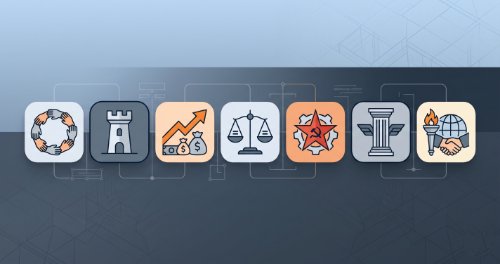
Every action of the state stems from core beliefs about wealth and power. This course examines the political ideologies shaping global governance. You will study communalism, feudalism, capitalism, socialism, communism, totalitarianism, fascism, nazism, and liberalism. We analyse the mode of production and the method of distribution for each system. This provides a clear framework to understand how different societies manage resources and govern citizens.
Understanding these concepts helps you interpret current events and state policies. You can apply this knowledge to predict market shifts, analyse political campaigns, or debate civic issues with facts. For those pursuing careers in law, journalism, public administration, or business, this foundation is vital. It allows you to make informed decisions and build projects that match the real structures of the society.
Upon completion, you will differentiate between major political systems and contrast the economic foundations of each ideology. You will gain the ability to identify the core principles of totalitarianism, explain the mechanics of capitalism, and trace the evolution of liberalism. This course covers the exact requirements of the JAMB UTME syllabus and provides the theoretical worldview necessary to evaluate the conduct of the state.
This content targets Senior Secondary students preparing for their final government examinations. However, the direct explanation of political systems makes it highly useful for university students and everyday citizens. Anyone needing a factual understanding of the rules driving national and global events will find this material highly practical.
Major Political Ideologies - Government (Senior Secondary)
Every action of the state stems from core beliefs about wealth and power. This course examines the political ideologies shaping global governance. You will study communalism, feudalism, capitalism, socialism, communism, totalitarianism, fascism, nazism, and liberalism. We analyse the mode of production and the method of distribution for each system. This provides a clear framework to understand how different societies manage resources and govern citizens. Understanding these concepts helps you interpret current events and state policies. You can apply this knowledge to predict market shifts, analyse political campaigns, or debate civic issues with facts. For those pursuing careers in law, journalism, public administration, or business, this foundation is vital. It allows you to make informed decisions and build projects that match the real structures of the society. Upon completion, you will differentiate between major political systems and contrast the economic foundations of each ideology. You will gain the ability to identify the core principles of totalitarianism, explain the mechanics of capitalism, and trace the evolution of liberalism. This course covers the exact requirements of the JAMB UTME syllabus and provides the theoretical worldview necessary to evaluate the conduct of the state. This content targets Senior Secondary students preparing for their final government examinations. However, the direct explanation of political systems makes it highly useful for university students and everyday citizens. Anyone needing a factual understanding of the rules driving national and global events will find this material highly practical.

Forms and Systems of Government (Senior Secondary)
Every nation operates on a specific political structure that dictates how power is shared and laws are made. This course breaks down the classification of the forms of government by explaining monarchy, aristocracy, oligarchy, autocracy, republicanism, and democracy. We compare unitary, federal, and confederal structures alongside presidential and parliamentary systems. You will study the features, merits, and demerits of each system to understand how state power functions.
Political decisions shape daily life, the economy, and the legal framework of society. Understanding these structures allows you to analyse current affairs, participate in civic duties, and evaluate the policies of any nation. This knowledge builds a strong foundation for careers in law, public administration, journalism, and international relations. You can apply these concepts to understand the political reality of Nigeria and other global powers.
By completing this module, you will confidently distinguish between various political structures and governance models. You will evaluate the advantages and disadvantages of each system, compare the distribution of power in federal versus unitary states, and contrast the roles of the executive and legislative branches in different setups. This prepares you directly for the government subjects of the JAMB UTME and builds critical thinking skills for political analysis.
This course targets senior secondary school students preparing for final exams and university entrance tests. It serves as a direct study guide for the JAMB UTME syllabus. Beyond exam candidates, university students taking introductory political science classes and citizens who want to grasp the mechanics of state administration will find this material highly valuable.
Forms and Systems of Government (Senior Secondary)
Every nation operates on a specific political structure that dictates how power is shared and laws are made. This course breaks down the classification of the forms of government by explaining monarchy, aristocracy, oligarchy, autocracy, republicanism, and democracy. We compare unitary, federal, and confederal structures alongside presidential and parliamentary systems. You will study the features, merits, and demerits of each system to understand how state power functions. Political decisions shape daily life, the economy, and the legal framework of society. Understanding these structures allows you to analyse current affairs, participate in civic duties, and evaluate the policies of any nation. This knowledge builds a strong foundation for careers in law, public administration, journalism, and international relations. You can apply these concepts to understand the political reality of Nigeria and other global powers. By completing this module, you will confidently distinguish between various political structures and governance models. You will evaluate the advantages and disadvantages of each system, compare the distribution of power in federal versus unitary states, and contrast the roles of the executive and legislative branches in different setups. This prepares you directly for the government subjects of the JAMB UTME and builds critical thinking skills for political analysis. This course targets senior secondary school students preparing for final exams and university entrance tests. It serves as a direct study guide for the JAMB UTME syllabus. Beyond exam candidates, university students taking introductory political science classes and citizens who want to grasp the mechanics of state administration will find this material highly valuable.

Principles of Democratic Government (Senior Secondary)
Democracy dictates who holds power and how a nation survives. This course breaks down the core mechanics of a democratic system. You will examine the separation of powers, the rule of law, and the structure of a representative government. We evaluate the checks and balances that prevent the abuse of state resources. The content aligns perfectly with the syllabus of the JAMB UTME.
You need this knowledge to understand daily news, government policies, and local political debates. The principles taught here apply directly to future careers in law, public administration, and journalism. You will understand how centralisation compares with decentralisation in managing national wealth. This allows you to evaluate the actions of public officials and demand accountability in your own community.
By completing this module, you will master the application of constitutional rules and ethics in public office. You will know how to define the roles of the executive, legislative, and judicial branches. You will learn to assess local governance practices against established democratic standards. The instruction ensures you can easily identify the legal limits of state power and the civic rights of citizens.
This course targets Senior Secondary students preparing for government examinations across Nigeria. First-year university students taking introductory political science classes will also find the foundational material highly useful. Regular citizens who want a clear grasp of civic duties and the structure of the state will benefit from these practical lessons. It provides a strict factual basis for anyone aiming to participate actively in modern democratic processes.
Principles of Democratic Government (Senior Secondary)
Democracy dictates who holds power and how a nation survives. This course breaks down the core mechanics of a democratic system. You will examine the separation of powers, the rule of law, and the structure of a representative government. We evaluate the checks and balances that prevent the abuse of state resources. The content aligns perfectly with the syllabus of the JAMB UTME. You need this knowledge to understand daily news, government policies, and local political debates. The principles taught here apply directly to future careers in law, public administration, and journalism. You will understand how centralisation compares with decentralisation in managing national wealth. This allows you to evaluate the actions of public officials and demand accountability in your own community. By completing this module, you will master the application of constitutional rules and ethics in public office. You will know how to define the roles of the executive, legislative, and judicial branches. You will learn to assess local governance practices against established democratic standards. The instruction ensures you can easily identify the legal limits of state power and the civic rights of citizens. This course targets Senior Secondary students preparing for government examinations across Nigeria. First-year university students taking introductory political science classes will also find the foundational material highly useful. Regular citizens who want a clear grasp of civic duties and the structure of the state will benefit from these practical lessons. It provides a strict factual basis for anyone aiming to participate actively in modern democratic processes.

Arms of Government (Senior Secondary)
Government is a system built on three distinct pillars. This course details the structures, functions, and powers of the legislature, the executive, and the judiciary. You will learn the core mechanics of the state and the functional interrelationships among these three arms. We cover how each branch depends on the others to maintain balance and order.
Understanding these systems helps you make sense of daily news and national events in Nigeria and abroad. You apply this knowledge directly to pass the government paper in your JAMB UTME. It also equips you to participate properly in civic duties, such as voting and public debates. Citizens who know the duties of the branches of government hold leaders accountable and recognise the limits of political power.
After completing this course, you will easily identify the specific duties of each arm of government. You will explain how the legislature makes laws, how the executive enforces them, and how the judiciary interprets them. You will analyse the dependency among the three arms and describe the concept of checks and balances. Furthermore, you will master the techniques to answer syllabus-based questions on the institutional mechanics of the state.
This course is primarily for senior secondary school students preparing for their final exams. It directly fulfils the mandates of the JAMB UTME syllabus for government students. It also benefits university undergraduates taking introductory political science classes, alongside adults who want a clear understanding of civic processes. Anyone seeking a straightforward explanation of state structures will find this material highly useful.
Arms of Government (Senior Secondary)
Government is a system built on three distinct pillars. This course details the structures, functions, and powers of the legislature, the executive, and the judiciary. You will learn the core mechanics of the state and the functional interrelationships among these three arms. We cover how each branch depends on the others to maintain balance and order. Understanding these systems helps you make sense of daily news and national events in Nigeria and abroad. You apply this knowledge directly to pass the government paper in your JAMB UTME. It also equips you to participate properly in civic duties, such as voting and public debates. Citizens who know the duties of the branches of government hold leaders accountable and recognise the limits of political power. After completing this course, you will easily identify the specific duties of each arm of government. You will explain how the legislature makes laws, how the executive enforces them, and how the judiciary interprets them. You will analyse the dependency among the three arms and describe the concept of checks and balances. Furthermore, you will master the techniques to answer syllabus-based questions on the institutional mechanics of the state. This course is primarily for senior secondary school students preparing for their final exams. It directly fulfils the mandates of the JAMB UTME syllabus for government students. It also benefits university undergraduates taking introductory political science classes, alongside adults who want a clear understanding of civic processes. Anyone seeking a straightforward explanation of state structures will find this material highly useful.

Constitutions and Legislation Processes - Government (Senior Secondary)
Laws control every action in society. This course explains the meaning, sources, and functions of constitutions. You will study written, unwritten, rigid, and flexible types. It details the exact steps for making acts, edicts, bye-laws, delegated legislation, and decrees.
Knowing how laws are formed helps you understand your civil rights and duties. This knowledge prepares you to participate actively in civic life. You can apply these principles to engage with local councils, track national politics, or prepare for future roles in public administration and law.
By the end of the classes, you will be able to define the functions of a constitution and trace the sources of the constitution. You will classify different constitutional types accurately. You will also outline the specific procedures used to pass laws, from local bye-laws to national acts and military decrees.
This course is specifically for senior secondary school students preparing for exams like the JAMB UTME. The foundational concepts are also useful for university students starting political science or law degrees. Any citizen who wants a clear understanding of the legal framework of the state will benefit from the practical lessons.
Constitutions and Legislation Processes - Government (Senior Secondary)
Laws control every action in society. This course explains the meaning, sources, and functions of constitutions. You will study written, unwritten, rigid, and flexible types. It details the exact steps for making acts, edicts, bye-laws, delegated legislation, and decrees. Knowing how laws are formed helps you understand your civil rights and duties. This knowledge prepares you to participate actively in civic life. You can apply these principles to engage with local councils, track national politics, or prepare for future roles in public administration and law. By the end of the classes, you will be able to define the functions of a constitution and trace the sources of the constitution. You will classify different constitutional types accurately. You will also outline the specific procedures used to pass laws, from local bye-laws to national acts and military decrees. This course is specifically for senior secondary school students preparing for exams like the JAMB UTME. The foundational concepts are also useful for university students starting political science or law degrees. Any citizen who wants a clear understanding of the legal framework of the state will benefit from the practical lessons.

Public and Civil Service - Government (Senior Secondary)
Governments make laws, but the permanent administrative machine executes them. This course explains the definitions, characteristics, functions, and structures of the civil service and the public service. We evaluate the core mechanisms of the state, focusing on how these institutions manage daily governance.
Knowing how the administrative structure operates prepares you for real interactions with the state. You will apply this knowledge to pass exams like the JAMB UTME, evaluate government policies, and understand the processes of the public sector. This practical understanding is necessary for anyone planning a career in public administration or seeking to hold public officials accountable.
Upon completion, you will understand the functional distinction between the civil service and the public service. You will define key terms, outline core characteristics, explain administrative structures, and analyse various control mechanisms. Furthermore, you will identify institutional problems within these bodies and evaluate the significance of the institutions in governance.
This course is directly for senior secondary school students preparing for Government examinations. University students, aspiring civil servants, and active citizens will also find the content highly relevant. Anyone needing a clear, direct understanding of state administration will benefit from these lessons.
Public and Civil Service - Government (Senior Secondary)
Governments make laws, but the permanent administrative machine executes them. This course explains the definitions, characteristics, functions, and structures of the civil service and the public service. We evaluate the core mechanisms of the state, focusing on how these institutions manage daily governance. Knowing how the administrative structure operates prepares you for real interactions with the state. You will apply this knowledge to pass exams like the JAMB UTME, evaluate government policies, and understand the processes of the public sector. This practical understanding is necessary for anyone planning a career in public administration or seeking to hold public officials accountable. Upon completion, you will understand the functional distinction between the civil service and the public service. You will define key terms, outline core characteristics, explain administrative structures, and analyse various control mechanisms. Furthermore, you will identify institutional problems within these bodies and evaluate the significance of the institutions in governance. This course is directly for senior secondary school students preparing for Government examinations. University students, aspiring civil servants, and active citizens will also find the content highly relevant. Anyone needing a clear, direct understanding of state administration will benefit from these lessons.

Public Corporations and Parastatals - Government (Senior Secondary)
Governments run businesses to provide vital services outside standard ministries. This course details the purpose and functions of public corporations and parastatals. We examine the funding and control of these state enterprises alongside their operational challenges. The curriculum also analyses the economic effects of deregulation, privatisation, and commercialisation to prepare candidates for the JAMB UTME.
Knowing how state agencies operate helps citizens judge government efficiency. You can apply this knowledge to analyse public policies, debate economic reforms, or prepare for roles in public administration. The lessons provide clear reasons why government businesses succeed or fail; they also show how state decisions affect the daily provision of public utilities.
After completing the modules, you will understand the strict differences between the regular civil service and state enterprises. You will learn to assess the sources of finance and the methods of control for public boards. You will also be able to explain the practical effects of shifting from state ownership to private control through the processes of privatisation and commercialisation.
This course is for Senior Secondary students preparing for Government in the JAMB UTME or WAEC examinations. It also serves university students in political science or public administration who need a solid foundation. Any citizen interested in the structure of the public sector will gain a clear understanding of how the government manages national resources and public services.
Public Corporations and Parastatals - Government (Senior Secondary)
Governments run businesses to provide vital services outside standard ministries. This course details the purpose and functions of public corporations and parastatals. We examine the funding and control of these state enterprises alongside their operational challenges. The curriculum also analyses the economic effects of deregulation, privatisation, and commercialisation to prepare candidates for the JAMB UTME. Knowing how state agencies operate helps citizens judge government efficiency. You can apply this knowledge to analyse public policies, debate economic reforms, or prepare for roles in public administration. The lessons provide clear reasons why government businesses succeed or fail; they also show how state decisions affect the daily provision of public utilities. After completing the modules, you will understand the strict differences between the regular civil service and state enterprises. You will learn to assess the sources of finance and the methods of control for public boards. You will also be able to explain the practical effects of shifting from state ownership to private control through the processes of privatisation and commercialisation. This course is for Senior Secondary students preparing for Government in the JAMB UTME or WAEC examinations. It also serves university students in political science or public administration who need a solid foundation. Any citizen interested in the structure of the public sector will gain a clear understanding of how the government manages national resources and public services.
Nigerian Federalism and State Creation - Government (Senior Secondary)
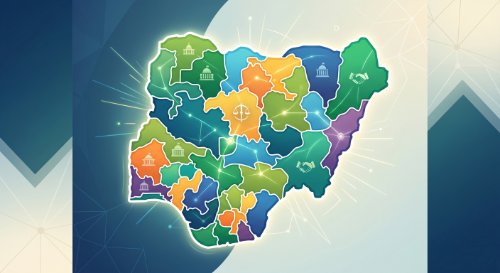
Nigeria uses a federal system to manage its diverse population and vast land, yet this structure faces constant stress. This course examines the reasons for adopting federalism in Nigeria and traces the history of state creation from 1963 to 1996. You will study how governments divided the country to address minority fears and distribute national wealth. The content tackles the territorial distribution of power to give you a clear grasp of how the nation is structured.
Understanding the foundation of the country helps you pass national exams and engage in political discussions. You can apply this knowledge to evaluate government policies, track public resources, or build a foundation for a career in law, public administration, or journalism. The course equips you to analyse national conflicts over census figures, revenue allocation, and power struggles between tiers of government. This explains why regions constantly demand more resources or representation.
After completing this course, you will be able to explain the rationale for federalism and recount the timeline of state creation in Nigeria. You will gain the skill to identify the root causes of conflicts between the tiers of government and evaluate corrective measures like the Federal Character Principle. The course ensures you can assess how power and resources are shared among federal, state, and local governments. You will finish with a complete understanding of the workings of the federation.
This course is primarily for senior secondary school students preparing for the JAMB UTME and WAEC examinations in Government. However, it provides immense value for university students, political enthusiasts, and regular citizens who want a factual summary of the political history of the nation. Even if you are not sitting for exams, the plain explanations make the political history of Nigeria accessible. Anyone interested in the structural evolution of the country will find this content useful.
Nigerian Federalism and State Creation - Government (Senior Secondary)
Nigeria uses a federal system to manage its diverse population and vast land, yet this structure faces constant stress. This course examines the reasons for adopting federalism in Nigeria and traces the history of state creation from 1963 to 1996. You will study how governments divided the country to address minority fears and distribute national wealth. The content tackles the territorial distribution of power to give you a clear grasp of how the nation is structured. Understanding the foundation of the country helps you pass national exams and engage in political discussions. You can apply this knowledge to evaluate government policies, track public resources, or build a foundation for a career in law, public administration, or journalism. The course equips you to analyse national conflicts over census figures, revenue allocation, and power struggles between tiers of government. This explains why regions constantly demand more resources or representation. After completing this course, you will be able to explain the rationale for federalism and recount the timeline of state creation in Nigeria. You will gain the skill to identify the root causes of conflicts between the tiers of government and evaluate corrective measures like the Federal Character Principle. The course ensures you can assess how power and resources are shared among federal, state, and local governments. You will finish with a complete understanding of the workings of the federation. This course is primarily for senior secondary school students preparing for the JAMB UTME and WAEC examinations in Government. However, it provides immense value for university students, political enthusiasts, and regular citizens who want a factual summary of the political history of the nation. Even if you are not sitting for exams, the plain explanations make the political history of Nigeria accessible. Anyone interested in the structural evolution of the country will find this content useful.

Local Government Administration (Senior Secondary)
Local government is the authority closest to the people. This course explains the evolution of the local council system in Nigeria, focusing on the major reforms of 1976 and 1989. You will study the structure, the core functions, and the methods of finance of the local government. We also examine inter-governmental relations, the exact role of traditional rulers, and the major constraints in the administration of these councils.
Understanding local administration shows you exactly how public resources reach the grassroots. You can apply this knowledge to demand better accountability from local leaders and participate in community development. It prepares you for future roles in public administration, community leadership, and civic advocacy. Knowing the rules of the system helps you navigate the politics and the policies of your immediate environment.
By the end of this course, you will be able to explain the history of the local council system in Nigeria. You will know the exact duties of local council officials, understand how funds are allocated, and track how money is spent. You will also identify the exact causes of poor performance in local councils and describe the relationship of the local tier with the state and federal governments.
This course is explicitly for senior secondary school students preparing for the JAMB UTME and SSCE in Government. However, it is also highly useful for university students in political science or public administration who need a solid foundation in grassroots governance. Ordinary citizens with no background in politics will find the lessons simple enough to understand the basics of civic duty and community leadership.
Local Government Administration (Senior Secondary)
Local government is the authority closest to the people. This course explains the evolution of the local council system in Nigeria, focusing on the major reforms of 1976 and 1989. You will study the structure, the core functions, and the methods of finance of the local government. We also examine inter-governmental relations, the exact role of traditional rulers, and the major constraints in the administration of these councils. Understanding local administration shows you exactly how public resources reach the grassroots. You can apply this knowledge to demand better accountability from local leaders and participate in community development. It prepares you for future roles in public administration, community leadership, and civic advocacy. Knowing the rules of the system helps you navigate the politics and the policies of your immediate environment. By the end of this course, you will be able to explain the history of the local council system in Nigeria. You will know the exact duties of local council officials, understand how funds are allocated, and track how money is spent. You will also identify the exact causes of poor performance in local councils and describe the relationship of the local tier with the state and federal governments. This course is explicitly for senior secondary school students preparing for the JAMB UTME and SSCE in Government. However, it is also highly useful for university students in political science or public administration who need a solid foundation in grassroots governance. Ordinary citizens with no background in politics will find the lessons simple enough to understand the basics of civic duty and community leadership.

Citizenship Rights and Duties - Government (Senior Secondary)
A functional state relies on individuals who understand their legal status. This module details the core elements of citizenship within Nigeria and the wider world. We cover the meaning and types of citizenship, methods of acquisition, and the rules governing dual citizenship. The material also outlines the strict procedures for the renunciation and deprivation of citizenship.
Civic knowledge is a practical tool for navigating legal systems and public life. You will apply these concepts to defend your civil liberties and execute your civic duties effectively. The framework prepares you for active participation in elections and community governance. Professionals in law, public administration, and social activism rely on these exact principles to demand justice and reform government policies.
Upon completion, you will know the precise legal definition of a citizen. You will be able to explain the acquisition of citizenship by birth, naturalisation, registration, and descent. You will identify the legal conditions for the deprivation of citizenship and the process for voluntary renunciation. You will also be able to list fundamental human rights and state the mutual obligations between the individual and the government.
The primary audience includes Senior Secondary School students preparing for the JAMB UTME in Government. The syllabus is equally valuable for university students taking early courses in political science or civic education. Adult learners and foreign nationals will find it a direct guide to understanding their civic rights and legal boundaries. Any person interested in public advocacy will gain the foundational knowledge required to engage with state authorities.
Citizenship Rights and Duties - Government (Senior Secondary)
A functional state relies on individuals who understand their legal status. This module details the core elements of citizenship within Nigeria and the wider world. We cover the meaning and types of citizenship, methods of acquisition, and the rules governing dual citizenship. The material also outlines the strict procedures for the renunciation and deprivation of citizenship. Civic knowledge is a practical tool for navigating legal systems and public life. You will apply these concepts to defend your civil liberties and execute your civic duties effectively. The framework prepares you for active participation in elections and community governance. Professionals in law, public administration, and social activism rely on these exact principles to demand justice and reform government policies. Upon completion, you will know the precise legal definition of a citizen. You will be able to explain the acquisition of citizenship by birth, naturalisation, registration, and descent. You will identify the legal conditions for the deprivation of citizenship and the process for voluntary renunciation. You will also be able to list fundamental human rights and state the mutual obligations between the individual and the government. The primary audience includes Senior Secondary School students preparing for the JAMB UTME in Government. The syllabus is equally valuable for university students taking early courses in political science or civic education. Adult learners and foreign nationals will find it a direct guide to understanding their civic rights and legal boundaries. Any person interested in public advocacy will gain the foundational knowledge required to engage with state authorities.

Elections and Electoral Systems - Government (Senior Secondary)
Elections decide who holds state power. This course explains the mechanics of voting and traces the history of voting rights from early periods to modern systems. We cover the types of elections, the exact conditions required for a free and fair process, and how different electoral systems operate. You will study the functions and the operational problems of the electoral commissions that manage these elections.
Understanding how voting works prepares you for active civic participation and helps you make sense of daily political news. You can apply this knowledge to evaluate the fairness of local or national elections in your country. It builds a strong foundation for future careers in law, political science, public administration, or journalism where you must analyse the actions of the government and electoral bodies.
After completing this course, you will be able to trace the evolution of suffrage and outline the basic requirements for valid elections. You will know how to compare the advantages and disadvantages of the various electoral systems used globally. Furthermore, you will easily identify the core duties and the common operational problems of the electoral commission in developing nations like Nigeria.
This course is primarily for senior secondary school students preparing for the Government paper in the JAMB UTME and WAEC examinations. However, it is also highly beneficial for university students needing a basic refresher on political structures or any citizen who wants to understand how leaders are chosen. Anyone interested in the mechanics of political participation will find this material direct and highly relevant.
Elections and Electoral Systems - Government (Senior Secondary)
Elections decide who holds state power. This course explains the mechanics of voting and traces the history of voting rights from early periods to modern systems. We cover the types of elections, the exact conditions required for a free and fair process, and how different electoral systems operate. You will study the functions and the operational problems of the electoral commissions that manage these elections. Understanding how voting works prepares you for active civic participation and helps you make sense of daily political news. You can apply this knowledge to evaluate the fairness of local or national elections in your country. It builds a strong foundation for future careers in law, political science, public administration, or journalism where you must analyse the actions of the government and electoral bodies. After completing this course, you will be able to trace the evolution of suffrage and outline the basic requirements for valid elections. You will know how to compare the advantages and disadvantages of the various electoral systems used globally. Furthermore, you will easily identify the core duties and the common operational problems of the electoral commission in developing nations like Nigeria. This course is primarily for senior secondary school students preparing for the Government paper in the JAMB UTME and WAEC examinations. However, it is also highly beneficial for university students needing a basic refresher on political structures or any citizen who wants to understand how leaders are chosen. Anyone interested in the mechanics of political participation will find this material direct and highly relevant.

Political Parties and Pressure Groups - Government (Senior Secondary)
The political process extends far beyond the government in power. This course examines the non-governmental actors that shape political decisions and government policies. You will study the organisation of political parties, the types of party systems, and the specific functions these parties perform in a state. The course also details the modes of operation of pressure groups, explaining how they differ from political parties. Finally, we analyse the meaning, formation, measurement, and limitations of public opinion.
Understanding these concepts is essential for active participation in the political life of any country. You can apply this knowledge to evaluate the campaigns of political candidates, predict policy changes, and understand how interest groups influence lawmaking. For those planning careers in law, journalism, public administration, or political consulting, this foundational knowledge enables you to critically assess the actions of the government and the influence of the electorate. It equips you with the analytical skills needed to navigate the realities of modern politics.
By the end of this module, you will be able to outline the functions of political parties, differentiate between various party systems, and explain the methods used by pressure groups to achieve their aims. Furthermore, you will acquire the ability to define public opinion, describe how it is formed, and identify the tools used for the measurement of public opinion. You will also understand the limits of public opinion in shaping the policies of the government, directly meeting the requirements of the JAMB UTME syllabus for this subject.
This course is written primarily for senior secondary school students preparing for their final examinations and the UTME. However, the clear explanations make it highly beneficial for university students seeking a refresher on the basics of political science. It also serves general citizens who want a straightforward, factual breakdown of how non-governmental actors influence the political landscape of the nation. Anyone seeking to understand the mechanics of political power outside the formal structure of the government will find practical use in this material.
Political Parties and Pressure Groups - Government (Senior Secondary)
The political process extends far beyond the government in power. This course examines the non-governmental actors that shape political decisions and government policies. You will study the organisation of political parties, the types of party systems, and the specific functions these parties perform in a state. The course also details the modes of operation of pressure groups, explaining how they differ from political parties. Finally, we analyse the meaning, formation, measurement, and limitations of public opinion. Understanding these concepts is essential for active participation in the political life of any country. You can apply this knowledge to evaluate the campaigns of political candidates, predict policy changes, and understand how interest groups influence lawmaking. For those planning careers in law, journalism, public administration, or political consulting, this foundational knowledge enables you to critically assess the actions of the government and the influence of the electorate. It equips you with the analytical skills needed to navigate the realities of modern politics. By the end of this module, you will be able to outline the functions of political parties, differentiate between various party systems, and explain the methods used by pressure groups to achieve their aims. Furthermore, you will acquire the ability to define public opinion, describe how it is formed, and identify the tools used for the measurement of public opinion. You will also understand the limits of public opinion in shaping the policies of the government, directly meeting the requirements of the JAMB UTME syllabus for this subject. This course is written primarily for senior secondary school students preparing for their final examinations and the UTME. However, the clear explanations make it highly beneficial for university students seeking a refresher on the basics of political science. It also serves general citizens who want a straightforward, factual breakdown of how non-governmental actors influence the political landscape of the nation. Anyone seeking to understand the mechanics of political power outside the formal structure of the government will find practical use in this material.
Pre-Colonial Political Systems - Government (Senior Secondary)
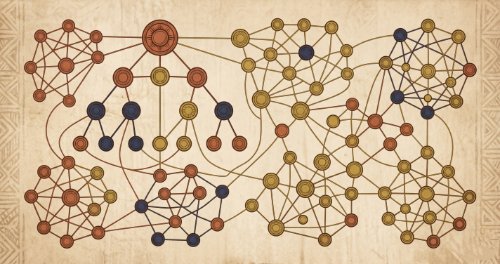
Before colonial rule, Nigeria operated complex indigenous governments. This course examines the structural organisation and functions of pre-colonial polities. We study the centralised administrations of the Hausa and Fulani Emirate and the Yoruba kingdom, alongside the decentralised systems of the Igbo and Tiv societies. You will learn how these indigenous systems maintained law, order, and economic stability prior to foreign interference.
Understanding the foundations of the past provides context for modern political challenges. You can apply this historical knowledge directly to excel in the JAMB UTME and other standard examinations. Furthermore, grasping these indigenous governance models builds a strong analytical foundation for careers in law, public administration, and political science. It helps you critically evaluate current government policies and propose culturally relevant administrative solutions.
Upon completion, you will accurately compare the functions of the different political structures. You will understand the roles of traditional rulers, councils of elders, and secret societies in administration and justice. You will gain the ability to differentiate between centralised and decentralised systems of government. You will possess a solid grasp of how checks and balances functioned in traditional African societies.
This course is strictly for senior secondary school students preparing for the Government paper in their final examinations. However, university students studying history or political science will find it a useful refresher of core concepts. General learners interested in African history can also benefit from understanding the origins of local governance. It provides essential context for anyone studying the political evolution of the Nigerian state.
Pre-Colonial Political Systems - Government (Senior Secondary)
Before colonial rule, Nigeria operated complex indigenous governments. This course examines the structural organisation and functions of pre-colonial polities. We study the centralised administrations of the Hausa and Fulani Emirate and the Yoruba kingdom, alongside the decentralised systems of the Igbo and Tiv societies. You will learn how these indigenous systems maintained law, order, and economic stability prior to foreign interference. Understanding the foundations of the past provides context for modern political challenges. You can apply this historical knowledge directly to excel in the JAMB UTME and other standard examinations. Furthermore, grasping these indigenous governance models builds a strong analytical foundation for careers in law, public administration, and political science. It helps you critically evaluate current government policies and propose culturally relevant administrative solutions. Upon completion, you will accurately compare the functions of the different political structures. You will understand the roles of traditional rulers, councils of elders, and secret societies in administration and justice. You will gain the ability to differentiate between centralised and decentralised systems of government. You will possess a solid grasp of how checks and balances functioned in traditional African societies. This course is strictly for senior secondary school students preparing for the Government paper in their final examinations. However, university students studying history or political science will find it a useful refresher of core concepts. General learners interested in African history can also benefit from understanding the origins of local governance. It provides essential context for anyone studying the political evolution of the Nigerian state.

Colonial Administration in Nigeria - Government (Senior Secondary)
Foreign control of Nigeria was systematic, not sudden. This course examines imperialist penetration through trade, missionary activities, and company rule. We analyse the administrative policies of the British and the French; you will compare direct rule, indirect rule, assimilation, and association. The material covers the socio-cultural, economic, and political impacts of colonial administration on West Africa.
Knowledge of the colonial era explains the current political structure of Nigeria. You need these facts to pass the JAMB UTME and other national examinations. The concepts also form a necessary foundation for future studies in law, public administration, or political science. Understanding the origins of the political systems of the country allows you to analyse modern government actions accurately.
You will identify the specific methods foreign powers used to dominate West Africa. You will learn to contrast the administrative style of the British with the administrative style of the French. You will evaluate the lasting economic and social effects of these policies on modern African states. This provides the exact facts needed to solve examination questions from the JAMB syllabus on colonial administration.
This content targets senior secondary school students preparing for their final government examinations and the JAMB UTME. University students taking introductory courses in African history will also find the material useful. Any citizen seeking a factual understanding of the political history of Nigeria will benefit from these direct and historical lessons.
Colonial Administration in Nigeria - Government (Senior Secondary)
Foreign control of Nigeria was systematic, not sudden. This course examines imperialist penetration through trade, missionary activities, and company rule. We analyse the administrative policies of the British and the French; you will compare direct rule, indirect rule, assimilation, and association. The material covers the socio-cultural, economic, and political impacts of colonial administration on West Africa. Knowledge of the colonial era explains the current political structure of Nigeria. You need these facts to pass the JAMB UTME and other national examinations. The concepts also form a necessary foundation for future studies in law, public administration, or political science. Understanding the origins of the political systems of the country allows you to analyse modern government actions accurately. You will identify the specific methods foreign powers used to dominate West Africa. You will learn to contrast the administrative style of the British with the administrative style of the French. You will evaluate the lasting economic and social effects of these policies on modern African states. This provides the exact facts needed to solve examination questions from the JAMB syllabus on colonial administration. This content targets senior secondary school students preparing for their final government examinations and the JAMB UTME. University students taking introductory courses in African history will also find the material useful. Any citizen seeking a factual understanding of the political history of Nigeria will benefit from these direct and historical lessons.

Nationalism and Decolonisation Process - Government (Senior Secondary)
African nations fought hard to gain freedom from colonial rule. This course explains the core of that struggle. It covers the meaning, types, and strategies of nationalist movements in Africa. We examine the roles of key nationalist leaders and the rise of early political parties. We also assess how external events, specifically Pan-Africanism and the Second World War, pushed the demand for self-rule across the continent.
Understanding historical political struggles is vital for analysing modern government policies. You can apply this knowledge to evaluate current political events, debate national issues, and understand international relations. This historical context forms a strong base for future careers in law, journalism, public administration, and civic leadership. It gives clear insights into how modern African states were formed and how they function today.
By the end of this course, you will grasp the complete path to independence required by the syllabus of the Joint Admissions and Matriculation Board. You will be able to define nationalism, categorise different nationalist movements, and explain the specific strategies used to achieve independence. You will also confidently identify prominent political figures and analyse the direct impact of global events on local political changes.
This course primarily targets senior secondary school students preparing for their final government examinations. However, it also greatly benefits university undergraduates studying political science or history who need a clear refresher on foundational concepts. Even general learners interested in African history will find the lessons highly useful for grasping the political evolution of the continent. It delivers the exact facts needed to pass exams and understand civic history.
Nationalism and Decolonisation Process - Government (Senior Secondary)
African nations fought hard to gain freedom from colonial rule. This course explains the core of that struggle. It covers the meaning, types, and strategies of nationalist movements in Africa. We examine the roles of key nationalist leaders and the rise of early political parties. We also assess how external events, specifically Pan-Africanism and the Second World War, pushed the demand for self-rule across the continent. Understanding historical political struggles is vital for analysing modern government policies. You can apply this knowledge to evaluate current political events, debate national issues, and understand international relations. This historical context forms a strong base for future careers in law, journalism, public administration, and civic leadership. It gives clear insights into how modern African states were formed and how they function today. By the end of this course, you will grasp the complete path to independence required by the syllabus of the Joint Admissions and Matriculation Board. You will be able to define nationalism, categorise different nationalist movements, and explain the specific strategies used to achieve independence. You will also confidently identify prominent political figures and analyse the direct impact of global events on local political changes. This course primarily targets senior secondary school students preparing for their final government examinations. However, it also greatly benefits university undergraduates studying political science or history who need a clear refresher on foundational concepts. Even general learners interested in African history will find the lessons highly useful for grasping the political evolution of the continent. It delivers the exact facts needed to pass exams and understand civic history.

Pre-Independence Constitutions - Government (Senior Secondary)
Nigeria emerged through specific legal frameworks. This course examines the pre-independence constitutions of the country. It covers the features, merits and demerits of the 1922 Hugh Clifford, 1946 Arthur Richards, 1951 John Macpherson, 1954 Oliver Lyttleton and 1960 Independence Constitutions. It details the legal shift from colonial rule to full independence.
These historical laws explain the foundation of modern Nigerian politics. Students apply this exact knowledge to pass the JAMB UTME Government examination. Law and public administration professionals also use this context to analyse government policies, trace regional divisions and resolve structural disputes.
Learners will identify the distinct features of each constitution upon completion. They will compare the merits and demerits of these frameworks. Students will track the transition from a unitary colonial system to a federal structure and explain the legal process creating the independence of Nigeria. They will evaluate how past decisions shape the current political system of the country.
This course targets senior secondary school students preparing for matriculation examinations. University students, civil servants and citizens interested in history will also benefit. Beginners acquire a firm foundation in political history, while professionals refresh their knowledge of the constitutional development of the nation.
Pre-Independence Constitutions - Government (Senior Secondary)
Nigeria emerged through specific legal frameworks. This course examines the pre-independence constitutions of the country. It covers the features, merits and demerits of the 1922 Hugh Clifford, 1946 Arthur Richards, 1951 John Macpherson, 1954 Oliver Lyttleton and 1960 Independence Constitutions. It details the legal shift from colonial rule to full independence. These historical laws explain the foundation of modern Nigerian politics. Students apply this exact knowledge to pass the JAMB UTME Government examination. Law and public administration professionals also use this context to analyse government policies, trace regional divisions and resolve structural disputes. Learners will identify the distinct features of each constitution upon completion. They will compare the merits and demerits of these frameworks. Students will track the transition from a unitary colonial system to a federal structure and explain the legal process creating the independence of Nigeria. They will evaluate how past decisions shape the current political system of the country. This course targets senior secondary school students preparing for matriculation examinations. University students, civil servants and citizens interested in history will also benefit. Beginners acquire a firm foundation in political history, while professionals refresh their knowledge of the constitutional development of the nation.
Post-Independence Constitutions and Institutions - Government (Senior Secondary)
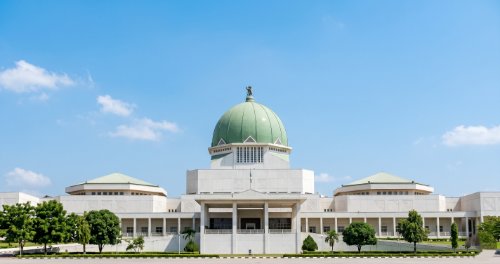
Nigeria changed the rules of government four times after independence. This course breaks down the constitutions of 1963, 1979, 1989, and 1999 to show how the country operates. We analyse the workings and shortcomings of these laws alongside the operations of the legislative, executive, and judicial institutions.
You need this knowledge to pass your exams and understand your rights as a citizen. The course connects textbook theories to real events in Nigerian politics. It explains the functions and problems of public commissions like the EFCC and ICPC, showing how the government fights corruption in daily life. This helps you make informed choices and understand the news.
By the end of this class, you will know the key features and flaws of the four post-independence constitutions. You will be able to explain the roles of the executive, legislature, and judiciary in Nigeria. You will also understand the objectives, functions, and challenges of agencies like the EFCC and ICPC. This covers the exact requirements of the JAMB UTME syllabus for government institutions.
This course is for senior secondary students preparing for the JAMB UTME and WAEC examinations in Government. University students taking introductory political science classes will also find the content useful. Anyone who wants a clear summary of the political history of Nigeria can use this course to understand how the country is run today.
Post-Independence Constitutions and Institutions - Government (Senior Secondary)
Nigeria changed the rules of government four times after independence. This course breaks down the constitutions of 1963, 1979, 1989, and 1999 to show how the country operates. We analyse the workings and shortcomings of these laws alongside the operations of the legislative, executive, and judicial institutions. You need this knowledge to pass your exams and understand your rights as a citizen. The course connects textbook theories to real events in Nigerian politics. It explains the functions and problems of public commissions like the EFCC and ICPC, showing how the government fights corruption in daily life. This helps you make informed choices and understand the news. By the end of this class, you will know the key features and flaws of the four post-independence constitutions. You will be able to explain the roles of the executive, legislature, and judiciary in Nigeria. You will also understand the objectives, functions, and challenges of agencies like the EFCC and ICPC. This covers the exact requirements of the JAMB UTME syllabus for government institutions. This course is for senior secondary students preparing for the JAMB UTME and WAEC examinations in Government. University students taking introductory political science classes will also find the content useful. Anyone who wants a clear summary of the political history of Nigeria can use this course to understand how the country is run today.

History of Nigerian Political Parties - Government (Senior Secondary)
Political power in Nigeria is defined by the groups that hold it. This course tracks the history, structure, and ideologies of Nigerian political parties from independence to the present day. You will study the formation and collapse of party systems across the First, Second, Third, and Fourth Republics. We examine how these groups functioned, who joined them, and the core beliefs that directed their actions.
Understanding the history of these political parties is required for analysing current events and passing national examinations. You will apply this knowledge directly to the Government section of the JAMB UTME, as the syllabus demands a strict comparison of political processes across the republics. This background also builds a strong foundation for civic engagement, allowing you to measure the promises of modern politicians against historical facts.
By the end of this study, you will have a complete understanding of the political history of Nigeria. You will correctly identify the major political parties of each republic, explain the structure and membership rules of these organisations, and contrast their specific ideologies. You will also learn to evaluate how past political actions created the current democratic system of the country.
This material is prepared for senior secondary school students writing their final government examinations. It is equally valuable for university undergraduates studying political science, as well as ordinary citizens who want a factual summary of the political development of Nigeria. Anyone who needs a direct and clear explanation of how Nigerian politics evolved will benefit from this course.
History of Nigerian Political Parties - Government (Senior Secondary)
Political power in Nigeria is defined by the groups that hold it. This course tracks the history, structure, and ideologies of Nigerian political parties from independence to the present day. You will study the formation and collapse of party systems across the First, Second, Third, and Fourth Republics. We examine how these groups functioned, who joined them, and the core beliefs that directed their actions. Understanding the history of these political parties is required for analysing current events and passing national examinations. You will apply this knowledge directly to the Government section of the JAMB UTME, as the syllabus demands a strict comparison of political processes across the republics. This background also builds a strong foundation for civic engagement, allowing you to measure the promises of modern politicians against historical facts. By the end of this study, you will have a complete understanding of the political history of Nigeria. You will correctly identify the major political parties of each republic, explain the structure and membership rules of these organisations, and contrast their specific ideologies. You will also learn to evaluate how past political actions created the current democratic system of the country. This material is prepared for senior secondary school students writing their final government examinations. It is equally valuable for university undergraduates studying political science, as well as ordinary citizens who want a factual summary of the political development of Nigeria. Anyone who needs a direct and clear explanation of how Nigerian politics evolved will benefit from this course.

Military Rule in Nigeria - Government (Senior Secondary)
Military coups reshaped the history of Nigeria. This course covers how soldiers seized power and governed the nation. We analyse the exact factors driving military intervention and detail the structural nature of military regimes. The module covers the political and economic impacts of the armed forces, including state creation, the Structural Adjustment Programme, and the National Youth Service Corps.
This knowledge explains the current state of the Nigerian Government. You apply these facts to analyse daily political news, debate national policies, and exercise your civic duties. Understanding the actions of past military leaders is practical for passing national exams, building careers in public administration, and participating actively in modern democratic processes.
By completing this course, you will master the causes of military takeovers in the country. You will learn to describe the hierarchy of the military government and evaluate the lasting achievements of the regimes. You will also comprehend the processes of military disengagement, detailing the specific conditions required for the withdrawal of the armed forces from civilian politics.
This material targets senior secondary students preparing for the JAMB UTME in Government. It equally benefits university students taking political science and citizens studying the political evolution of the nation. The direct explanations make the complex political history of the country clear to anyone seeking to understand the foundations of the current democratic republic.
Military Rule in Nigeria - Government (Senior Secondary)
Military coups reshaped the history of Nigeria. This course covers how soldiers seized power and governed the nation. We analyse the exact factors driving military intervention and detail the structural nature of military regimes. The module covers the political and economic impacts of the armed forces, including state creation, the Structural Adjustment Programme, and the National Youth Service Corps. This knowledge explains the current state of the Nigerian Government. You apply these facts to analyse daily political news, debate national policies, and exercise your civic duties. Understanding the actions of past military leaders is practical for passing national exams, building careers in public administration, and participating actively in modern democratic processes. By completing this course, you will master the causes of military takeovers in the country. You will learn to describe the hierarchy of the military government and evaluate the lasting achievements of the regimes. You will also comprehend the processes of military disengagement, detailing the specific conditions required for the withdrawal of the armed forces from civilian politics. This material targets senior secondary students preparing for the JAMB UTME in Government. It equally benefits university students taking political science and citizens studying the political evolution of the nation. The direct explanations make the complex political history of the country clear to anyone seeking to understand the foundations of the current democratic republic.

Nigerian Foreign Policy - Government (Senior Secondary)
A nation is defined by how it treats others. This course breaks down the foreign policy of Nigeria and how the country interacts on the global stage. You will learn the definition, determinants, and implementation of foreign policy. The course covers the relationship of Nigeria with major global powers, the principle of non-alignment, and why Africa remains the centre piece of our diplomacy.
Understanding how a country manages external relations is vital for everyday life. You can apply this knowledge to analyse international news, debate government actions, and understand global trade. This foundation is useful for future careers in law, journalism, political science, or public administration. It gives you the background needed to make sense of the role of the government in global events.
By the end of this course, you will understand the factors that shape the external decisions of Nigeria. You will be able to explain the core objectives of the NEPAD initiative, including the origin and implications of the programme. You will also gain the ability to evaluate historical diplomatic shifts, assess the impact of non-alignment, and interpret the syllabus requirements of the JAMB UTME for this topic.
This course is built for Senior Secondary School students preparing for the Government exam of the JAMB UTME. It is also highly beneficial for university undergraduates, civil service applicants, and citizens who want to understand international relations. Even those outside formal education will find clear explanations of how the international policies of the nation affect local realities.
Nigerian Foreign Policy - Government (Senior Secondary)
A nation is defined by how it treats others. This course breaks down the foreign policy of Nigeria and how the country interacts on the global stage. You will learn the definition, determinants, and implementation of foreign policy. The course covers the relationship of Nigeria with major global powers, the principle of non-alignment, and why Africa remains the centre piece of our diplomacy. Understanding how a country manages external relations is vital for everyday life. You can apply this knowledge to analyse international news, debate government actions, and understand global trade. This foundation is useful for future careers in law, journalism, political science, or public administration. It gives you the background needed to make sense of the role of the government in global events. By the end of this course, you will understand the factors that shape the external decisions of Nigeria. You will be able to explain the core objectives of the NEPAD initiative, including the origin and implications of the programme. You will also gain the ability to evaluate historical diplomatic shifts, assess the impact of non-alignment, and interpret the syllabus requirements of the JAMB UTME for this topic. This course is built for Senior Secondary School students preparing for the Government exam of the JAMB UTME. It is also highly beneficial for university undergraduates, civil service applicants, and citizens who want to understand international relations. Even those outside formal education will find clear explanations of how the international policies of the nation affect local realities.

International Organisations - Government (Senior Secondary)
Global policies dictate local realities in Nigeria; international bodies drive these policies. This course examines major global and regional groups including the United Nations, the Commonwealth, the African Union, ECOWAS, and OPEC. We evaluate the core objectives, internal structures, practical functions, and main challenges of each institution.
Understanding these bodies is necessary for basic civic awareness. You will apply this knowledge to analyse international news, debate foreign policy, and evaluate the position of Nigeria in world affairs. This framework directly prepares you for future roles in law, diplomacy, journalism, and public administration by explaining how global treaties influence domestic laws.
By the end of this class, you will accurately explain the founding principles of major global institutions. You will identify the administrative organs of the AU and ECOWAS, assess the economic impact of OPEC, and evaluate the historical ties of the Commonwealth. You will also master the specific requirements of the JAMB UTME syllabus regarding the contributions of these bodies to global stability.
This course directly targets senior secondary school students preparing for their final government examinations. It also benefits university students taking introductory political science classes and ordinary citizens needing clear facts about global politics. Anyone seeking a factual explanation of international relations will find the exact details required to understand the modern global system.
International Organisations - Government (Senior Secondary)
Global policies dictate local realities in Nigeria; international bodies drive these policies. This course examines major global and regional groups including the United Nations, the Commonwealth, the African Union, ECOWAS, and OPEC. We evaluate the core objectives, internal structures, practical functions, and main challenges of each institution. Understanding these bodies is necessary for basic civic awareness. You will apply this knowledge to analyse international news, debate foreign policy, and evaluate the position of Nigeria in world affairs. This framework directly prepares you for future roles in law, diplomacy, journalism, and public administration by explaining how global treaties influence domestic laws. By the end of this class, you will accurately explain the founding principles of major global institutions. You will identify the administrative organs of the AU and ECOWAS, assess the economic impact of OPEC, and evaluate the historical ties of the Commonwealth. You will also master the specific requirements of the JAMB UTME syllabus regarding the contributions of these bodies to global stability. This course directly targets senior secondary school students preparing for their final government examinations. It also benefits university students taking introductory political science classes and ordinary citizens needing clear facts about global politics. Anyone seeking a factual explanation of international relations will find the exact details required to understand the modern global system.