Literature in English
$ 59.99
Learning Track Courses
Principles of Literature - Literature in English (Senior Secondary)
Literature exposes the truth of human society. This course details the core principles of Literature in English to build a concrete foundation for senior secondary students. It covers the functions of language, broad genre awareness, and vital literary terms including foreshadowing, suspense, protagonist, antagonist, and figures of speech. It also examines the overlaps between narration and verse, providing the exact groundwork required by the syllabus of the JAMB UTME before you study specific texts.
Reading words is useless without understanding context. This knowledge trains you to use literature to evaluate the cultural, political, and economic activities of any society. You will apply these analytical skills to interpret daily conversations, assess news reports, and understand historical events. These sharp critical thinking tools remain necessary for writing clear essays, passing competitive examinations, and making logical decisions in any professional career.
After completing this course, you will hold a firm grasp of foundational terms common to all forms of writing. You will identify the core components of a narrative, distinguish between different figures of speech, and explain the primary functions of the protagonist and the antagonist. You will also analyse the structure of poetry and prose, dissect the mechanics of suspense, and recognise exactly how writers apply foreshadowing to build tension.
This course targets senior secondary school students preparing for certificate and entrance examinations. Anyone who wants to improve their reading comprehension will also find the content highly beneficial. University students needing a quick revision of basic literary concepts, and general readers trying to grasp the mechanics of storytelling, can use this material to build their skills in critical analysis.
Principles of Literature - Literature in English (Senior Secondary)
Literature exposes the truth of human society. This course details the core principles of Literature in English to build a concrete foundation for senior secondary students. It covers the functions of language, broad genre awareness, and vital literary terms including foreshadowing, suspense, protagonist, antagonist, and figures of speech. It also examines the overlaps between narration and verse, providing the exact groundwork required by the syllabus of the JAMB UTME before you study specific texts. Reading words is useless without understanding context. This knowledge trains you to use literature to evaluate the cultural, political, and economic activities of any society. You will apply these analytical skills to interpret daily conversations, assess news reports, and understand historical events. These sharp critical thinking tools remain necessary for writing clear essays, passing competitive examinations, and making logical decisions in any professional career. After completing this course, you will hold a firm grasp of foundational terms common to all forms of writing. You will identify the core components of a narrative, distinguish between different figures of speech, and explain the primary functions of the protagonist and the antagonist. You will also analyse the structure of poetry and prose, dissect the mechanics of suspense, and recognise exactly how writers apply foreshadowing to build tension. This course targets senior secondary school students preparing for certificate and entrance examinations. Anyone who wants to improve their reading comprehension will also find the content highly beneficial. University students needing a quick revision of basic literary concepts, and general readers trying to grasp the mechanics of storytelling, can use this material to build their skills in critical analysis.
Elements of Drama - Literature in English (Senior Secondary)
Drama is the reflection of human life on a stage. This course breaks down the core elements of stage performance and dramatic literature. You will study major types of drama including tragedy, comedy, tragicomedy, melodrama, farce, and opera. The lessons also cover essential dramatic techniques such as characterisation, dialogue, flashback, mime, costume, soliloquy, and stage directions. Every topic isolates the mechanics of stagecraft to prepare you for examinations and practical criticism.
Beyond the classroom, understanding these elements builds strong communication and analytical skills. You can apply the lessons of a play to social reality by connecting stage events to everyday Nigerian life. This knowledge is highly practical for careers in law, mass media, writing, and public speaking. If you want to write your own scripts, direct performances, or simply analyse literature accurately, mastering these foundational concepts gives you a clear advantage.
Upon completing this course, you will possess the exact skills required to interpret complex theatrical works. You will learn to break down the central themes and the structure of the plot in any given text. The modules teach you how to analyse the socio-political context, the spatial setting, and the temporal period of a play. By the end of the classes, you will confidently evaluate how playwrights use dramatic devices to communicate their messages.
This material primarily targets senior secondary school students preparing for the JAMB UTME and WAEC examinations in Literature in English. However, the foundational rules of drama remain the same at all levels of education. First-year university students taking introductory literature courses will find the clear explanations highly beneficial for their studies. Aspiring actors, creative writers, and theatre enthusiasts outside the formal school system will also gain vital insights into the principles of performance.
Elements of Drama - Literature in English (Senior Secondary)
Drama is the reflection of human life on a stage. This course breaks down the core elements of stage performance and dramatic literature. You will study major types of drama including tragedy, comedy, tragicomedy, melodrama, farce, and opera. The lessons also cover essential dramatic techniques such as characterisation, dialogue, flashback, mime, costume, soliloquy, and stage directions. Every topic isolates the mechanics of stagecraft to prepare you for examinations and practical criticism. Beyond the classroom, understanding these elements builds strong communication and analytical skills. You can apply the lessons of a play to social reality by connecting stage events to everyday Nigerian life. This knowledge is highly practical for careers in law, mass media, writing, and public speaking. If you want to write your own scripts, direct performances, or simply analyse literature accurately, mastering these foundational concepts gives you a clear advantage. Upon completing this course, you will possess the exact skills required to interpret complex theatrical works. You will learn to break down the central themes and the structure of the plot in any given text. The modules teach you how to analyse the socio-political context, the spatial setting, and the temporal period of a play. By the end of the classes, you will confidently evaluate how playwrights use dramatic devices to communicate their messages. This material primarily targets senior secondary school students preparing for the JAMB UTME and WAEC examinations in Literature in English. However, the foundational rules of drama remain the same at all levels of education. First-year university students taking introductory literature courses will find the clear explanations highly beneficial for their studies. Aspiring actors, creative writers, and theatre enthusiasts outside the formal school system will also gain vital insights into the principles of performance.
Elements of Prose - Literature in English (Senior Secondary)
Every great story relies on a clear structure to hold the attention of the reader. This course breaks down the core components of prose writing across fiction, non-fiction, and faction. You will examine the mechanics of novels, novellas, short stories, biographies, autobiographies, and memoirs. We focus directly on the JAMB UTME syllabus requirements for storytelling. You will learn exactly how writers use continuous narrative to build convincing worlds.
Understanding these elements goes beyond passing exams; it is a practical skill for clear communication in any field. If you want to write a convincing report, craft a personal memoir, or create content for a business, you need a firm grasp of narrative techniques. You can apply this knowledge to analyse real-world events, separate fact from fiction, and write stories that people actually want to read. The ability to structure text logically is vital for careers in law, journalism, and public relations.
By the end of this course, you will master the identification and analysis of narrative perspectives, including omniscient, first, second, Third Person, and stream of consciousness. You will learn to classify characters as round, flat, foil, hero, antihero, or villain. Furthermore, you will develop the exact skills needed to analyse themes, plots, temporal settings, and spatial settings. You will also evaluate the socio-political context of texts, identify the balance of facts in faction, and relate literary works directly to social reality.
This material targets senior secondary school students preparing for the JAMB UTME and WAEC examinations in Literature in English. However, the rules of prose are universal. University undergraduates studying the arts will find this an excellent refresher on the basics of text analysis. Independent writers and everyday readers who simply want to understand the framework of storytelling will also benefit immensely from the practical lessons provided here.
Elements of Prose - Literature in English (Senior Secondary)
Every great story relies on a clear structure to hold the attention of the reader. This course breaks down the core components of prose writing across fiction, non-fiction, and faction. You will examine the mechanics of novels, novellas, short stories, biographies, autobiographies, and memoirs. We focus directly on the JAMB UTME syllabus requirements for storytelling. You will learn exactly how writers use continuous narrative to build convincing worlds. Understanding these elements goes beyond passing exams; it is a practical skill for clear communication in any field. If you want to write a convincing report, craft a personal memoir, or create content for a business, you need a firm grasp of narrative techniques. You can apply this knowledge to analyse real-world events, separate fact from fiction, and write stories that people actually want to read. The ability to structure text logically is vital for careers in law, journalism, and public relations. By the end of this course, you will master the identification and analysis of narrative perspectives, including omniscient, first, second, Third Person, and stream of consciousness. You will learn to classify characters as round, flat, foil, hero, antihero, or villain. Furthermore, you will develop the exact skills needed to analyse themes, plots, temporal settings, and spatial settings. You will also evaluate the socio-political context of texts, identify the balance of facts in faction, and relate literary works directly to social reality. This material targets senior secondary school students preparing for the JAMB UTME and WAEC examinations in Literature in English. However, the rules of prose are universal. University undergraduates studying the arts will find this an excellent refresher on the basics of text analysis. Independent writers and everyday readers who simply want to understand the framework of storytelling will also benefit immensely from the practical lessons provided here.
Elements of Poetry - Literature in English (Senior Secondary)
Poetry packs deep meaning into few words. This course dissects the structure and meaning of poems. You will study poetic types, including the sonnet, ode, lyrics, elegy, ballad, panegyric, epic, and blank verse. We will analyse the application of devices such as imagery, rhyme, rhythm, repetition, pun, onomatopoeia, diction, and persona. You will learn to appreciate thematic preoccupation, style, and moral values in various texts.
Poetry extends beyond the classroom to reflect daily life in Nigeria and the world. You will apply the lessons of poetry directly to social reality and human behaviour. Analysing condensed language trains you to think critically and express ideas clearly. You can apply these analytical skills to write better essays, draft clear reports, or interpret complex documents in any profession. Mastery of language is a practical tool for everyday use.
By the end of this class, you will identify distinct types of poems and name the structural devices of the author. You will extract the core theme, style, and moral values of any stanza. You will also connect the central message of a poem to current social issues. This training directly satisfies the syllabus requirements of the JAMB UTME and WAEC, equipping you with the exact knowledge required to answer literature questions accurately.
This course targets Senior Secondary students preparing for certificate and matriculation exams. It also serves anyone seeking a firm grasp of literary mechanics. First-year university students taking introductory English modules will benefit from this targeted revision. Even individuals writing poetry for personal projects will gain the structural foundation necessary to produce coherent work.
Elements of Poetry - Literature in English (Senior Secondary)
Poetry packs deep meaning into few words. This course dissects the structure and meaning of poems. You will study poetic types, including the sonnet, ode, lyrics, elegy, ballad, panegyric, epic, and blank verse. We will analyse the application of devices such as imagery, rhyme, rhythm, repetition, pun, onomatopoeia, diction, and persona. You will learn to appreciate thematic preoccupation, style, and moral values in various texts. Poetry extends beyond the classroom to reflect daily life in Nigeria and the world. You will apply the lessons of poetry directly to social reality and human behaviour. Analysing condensed language trains you to think critically and express ideas clearly. You can apply these analytical skills to write better essays, draft clear reports, or interpret complex documents in any profession. Mastery of language is a practical tool for everyday use. By the end of this class, you will identify distinct types of poems and name the structural devices of the author. You will extract the core theme, style, and moral values of any stanza. You will also connect the central message of a poem to current social issues. This training directly satisfies the syllabus requirements of the JAMB UTME and WAEC, equipping you with the exact knowledge required to answer literature questions accurately. This course targets Senior Secondary students preparing for certificate and matriculation exams. It also serves anyone seeking a firm grasp of literary mechanics. First-year university students taking introductory English modules will benefit from this targeted revision. Even individuals writing poetry for personal projects will gain the structural foundation necessary to produce coherent work.

Literary Appreciation - Literature in English (Senior Secondary)
Reading literature is about understanding life, not just passing exams. This course teaches you how to break down unseen passages from drama, prose, and poetry. You will identify literary devices in context, interpret complex extracts, and relate these texts to real experiences. We focus strictly on the practical application of theoretical concepts to unfamiliar texts to meet the JAMB UTME syllabus requirements.
You need these skills to read people and situations in the real world. You will apply this knowledge to communicate clearly, write persuasive documents, and think critically in your career or personal projects. The ability to analyse complex information makes you stand out everywhere. This training provides the exact tools to understand human behaviour and cultural dynamics in your everyday interactions.
By the end of this course, you will possess the specific skills to pass your literature exams. You will master the identification of figures of speech, understand the structure of literary works, and grasp the core themes of any drama. You will build the confidence to read unfamiliar texts, extract the main ideas quickly, and link fictional stories to actual events in Nigeria and the world.
This course targets Senior Secondary students preparing for final exams and university admissions. It also helps university students who need a solid foundation in literature, alongside adult learners who want to improve their reading skills. Anyone who wants to read better, think clearly, and understand complex texts will gain immediate value from this UniDrills training.
Literary Appreciation - Literature in English (Senior Secondary)
Reading literature is about understanding life, not just passing exams. This course teaches you how to break down unseen passages from drama, prose, and poetry. You will identify literary devices in context, interpret complex extracts, and relate these texts to real experiences. We focus strictly on the practical application of theoretical concepts to unfamiliar texts to meet the JAMB UTME syllabus requirements. You need these skills to read people and situations in the real world. You will apply this knowledge to communicate clearly, write persuasive documents, and think critically in your career or personal projects. The ability to analyse complex information makes you stand out everywhere. This training provides the exact tools to understand human behaviour and cultural dynamics in your everyday interactions. By the end of this course, you will possess the specific skills to pass your literature exams. You will master the identification of figures of speech, understand the structure of literary works, and grasp the core themes of any drama. You will build the confidence to read unfamiliar texts, extract the main ideas quickly, and link fictional stories to actual events in Nigeria and the world. This course targets Senior Secondary students preparing for final exams and university admissions. It also helps university students who need a solid foundation in literature, alongside adult learners who want to improve their reading skills. Anyone who wants to read better, think clearly, and understand complex texts will gain immediate value from this UniDrills training.
Prescribed Drama Texts - Literature in English (Senior Secondary)
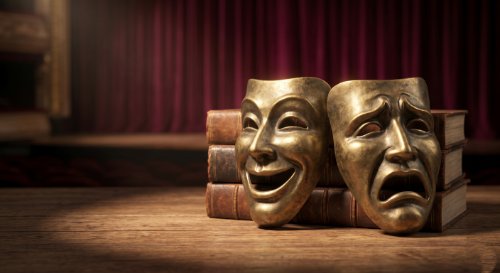
Drama brings literature to life through direct speech and action. This course gives a strict textual analysis of the African and non-African plays required for the JAMB UTME. We study texts like The Marriage of Anansewa and Antony and Cleopatra to uncover plots, themes, and settings. Isolating drama prevents cognitive overload and lets you focus on how playwrights build stories through dialogue.
Understanding drama goes beyond passing exams. Analysing motives and speech improves your ability to read people and communicate clearly. These skills are vital for careers in law, media, politics, and public speaking. Applying lessons from these plays to social reality helps you grasp the complexities of human behaviour and societal problems in Nigeria and the wider world.
By the end of this course, you will hold concrete analytical skills. You will know how to differentiate the styles of various playwrights and dissect complex dialogues. You will correctly determine themes, plots, and settings of the prescribed texts. You will also know how to apply the lessons of the plays to current reality, ensuring you answer exam questions on these texts accurately.
This course targets senior secondary school students preparing for the JAMB UTME and WAEC examinations. It also serves university students needing a refresher on basic drama analysis or anyone interested in stage plays. Casual readers will also gain from learning how to break down dialogue and identify the core messages in classic African and global literature.
Prescribed Drama Texts - Literature in English (Senior Secondary)
Drama brings literature to life through direct speech and action. This course gives a strict textual analysis of the African and non-African plays required for the JAMB UTME. We study texts like The Marriage of Anansewa and Antony and Cleopatra to uncover plots, themes, and settings. Isolating drama prevents cognitive overload and lets you focus on how playwrights build stories through dialogue. Understanding drama goes beyond passing exams. Analysing motives and speech improves your ability to read people and communicate clearly. These skills are vital for careers in law, media, politics, and public speaking. Applying lessons from these plays to social reality helps you grasp the complexities of human behaviour and societal problems in Nigeria and the wider world. By the end of this course, you will hold concrete analytical skills. You will know how to differentiate the styles of various playwrights and dissect complex dialogues. You will correctly determine themes, plots, and settings of the prescribed texts. You will also know how to apply the lessons of the plays to current reality, ensuring you answer exam questions on these texts accurately. This course targets senior secondary school students preparing for the JAMB UTME and WAEC examinations. It also serves university students needing a refresher on basic drama analysis or anyone interested in stage plays. Casual readers will also gain from learning how to break down dialogue and identify the core messages in classic African and global literature.

Prescribed Prose Texts - Literature in English (Senior Secondary)
Master the required literature syllabus without reading fatigue. This course breaks down heavy novels into clear themes and structures. You study African and non-African texts like So the Path Does not Die and Redemption Road. The lessons cover the narrative style of the author, diction, grammar, and clarity of expression. We put prose in its own module so you can pace your reading and understand the plot, setting, and socio-political context of each book.
Reading literature builds critical thinking and sharpens how you write. You learn to analyse human behaviour and societal issues. These skills apply directly to careers in law, journalism, public relations, and media. When you understand the socio-political context of a text, you communicate better in real life and write stronger reports for your personal projects.
By the end of this module, you will evaluate narrative techniques and explain the core themes of any novel. You will identify how writers use grammar and diction to create meaning. You will connect the plot of a book to its setting and historical background. You will also answer exam questions on prose texts with speed and high accuracy.
This course targets senior secondary school students preparing for exams like JAMB UTME, WAEC, and NECO. It also benefits university students taking foundational literature courses who need a clear review of African and non-African prose. Anyone who wants to read books critically and improve their writing will find this material highly useful.
Prescribed Prose Texts - Literature in English (Senior Secondary)
Master the required literature syllabus without reading fatigue. This course breaks down heavy novels into clear themes and structures. You study African and non-African texts like So the Path Does not Die and Redemption Road. The lessons cover the narrative style of the author, diction, grammar, and clarity of expression. We put prose in its own module so you can pace your reading and understand the plot, setting, and socio-political context of each book. Reading literature builds critical thinking and sharpens how you write. You learn to analyse human behaviour and societal issues. These skills apply directly to careers in law, journalism, public relations, and media. When you understand the socio-political context of a text, you communicate better in real life and write stronger reports for your personal projects. By the end of this module, you will evaluate narrative techniques and explain the core themes of any novel. You will identify how writers use grammar and diction to create meaning. You will connect the plot of a book to its setting and historical background. You will also answer exam questions on prose texts with speed and high accuracy. This course targets senior secondary school students preparing for exams like JAMB UTME, WAEC, and NECO. It also benefits university students taking foundational literature courses who need a clear review of African and non-African prose. Anyone who wants to read books critically and improve their writing will find this material highly useful.
Prescribed Poetry Texts - Literature in English (Senior Secondary)
Reading poetry requires strict focus to extract hidden meanings from text. This course breaks down selected African and non-African poems line by line. We analyse works from poets like Gabriel Okara, Wole Soyinka, and Lord Byron. You will see exactly how these writers use words to create aesthetic effect and convey meaning.
Passing the JAMB UTME demands a rigorous grasp of textual analysis. Beyond exams, studying these poems builds strong critical thinking and analytical skills. You can apply this knowledge to read better, write clearly, and communicate complex ideas effectively in any university degree or professional career.
By the end of this course, you will master line-by-line scansion and device identification. You will know how to spot figures of speech, understand the structure of the stanza, and explain the message of the author with clear evidence from the text. You will learn to group these texts into dedicated units for rigorous analysis.
This course is primarily for senior secondary students preparing for literature exams. However, university students and general readers will also find it useful to improve their basic understanding of literature. It provides a solid foundation for anyone who needs to interpret complex written materials.
Prescribed Poetry Texts - Literature in English (Senior Secondary)
Reading poetry requires strict focus to extract hidden meanings from text. This course breaks down selected African and non-African poems line by line. We analyse works from poets like Gabriel Okara, Wole Soyinka, and Lord Byron. You will see exactly how these writers use words to create aesthetic effect and convey meaning. Passing the JAMB UTME demands a rigorous grasp of textual analysis. Beyond exams, studying these poems builds strong critical thinking and analytical skills. You can apply this knowledge to read better, write clearly, and communicate complex ideas effectively in any university degree or professional career. By the end of this course, you will master line-by-line scansion and device identification. You will know how to spot figures of speech, understand the structure of the stanza, and explain the message of the author with clear evidence from the text. You will learn to group these texts into dedicated units for rigorous analysis. This course is primarily for senior secondary students preparing for literature exams. However, university students and general readers will also find it useful to improve their basic understanding of literature. It provides a solid foundation for anyone who needs to interpret complex written materials.