Use of English
$ 59.99
Learning Track Courses

Parts of Speech - Use of English (Senior Secondary)
Every sentence built in English relies on eight basic units. This course breaks down the mechanics of the English language to expose how these units operate. We cover the accurate identification of nouns, pronouns, verbs, adjectives, adverbs, prepositions, conjunctions, and determiners. You will study word endings, rules of inflection, and the grammatical functions of words within phrases and clauses. Mastering these core blocks is a mandatory prerequisite for all advanced study of the language.
Proper grammar remains the strict baseline for clear communication in any academic or professional setting. You will apply this exact knowledge to draft professional emails, structure essays, and speak clearly during job interviews. A firm grasp of these fundamental rules prevents costly miscommunication in the workplace. Writing correctly provides an immediate advantage in university admissions and signals basic competence to future employers and colleagues.
Upon completing the modules, you will accurately identify all eight parts of speech within complex sentences. You will know how to apply rules of inflection to match subjects and verbs correctly. You will also analyse the structure of phrases and clauses to identify and correct structural errors. Ultimately, you will gain the technical skill to construct grammatically correct sentences that convey your exact meaning without ambiguity.
This course targets senior secondary students preparing for their final examinations and university entrance tests. However, undergraduates and working professionals who struggle with basic grammar will find it equally useful to rebuild their foundation. It serves as a direct, practical revision tool for returning learners or anyone needing to fix persistent errors in their written and spoken English.
Parts of Speech - Use of English (Senior Secondary)
Every sentence built in English relies on eight basic units. This course breaks down the mechanics of the English language to expose how these units operate. We cover the accurate identification of nouns, pronouns, verbs, adjectives, adverbs, prepositions, conjunctions, and determiners. You will study word endings, rules of inflection, and the grammatical functions of words within phrases and clauses. Mastering these core blocks is a mandatory prerequisite for all advanced study of the language. Proper grammar remains the strict baseline for clear communication in any academic or professional setting. You will apply this exact knowledge to draft professional emails, structure essays, and speak clearly during job interviews. A firm grasp of these fundamental rules prevents costly miscommunication in the workplace. Writing correctly provides an immediate advantage in university admissions and signals basic competence to future employers and colleagues. Upon completing the modules, you will accurately identify all eight parts of speech within complex sentences. You will know how to apply rules of inflection to match subjects and verbs correctly. You will also analyse the structure of phrases and clauses to identify and correct structural errors. Ultimately, you will gain the technical skill to construct grammatically correct sentences that convey your exact meaning without ambiguity. This course targets senior secondary students preparing for their final examinations and university entrance tests. However, undergraduates and working professionals who struggle with basic grammar will find it equally useful to rebuild their foundation. It serves as a direct, practical revision tool for returning learners or anyone needing to fix persistent errors in their written and spoken English.
Vocabulary Building - Use of English (Senior Secondary)
A strong vocabulary dictates your academic and professional success. This course teaches systematic word expansion. You will study contextual vocabulary acquisition, synonyms, antonyms, homonyms, and homophones. The lessons cover word roots, prefixes, suffixes, register, collocation, and spelling differentiation. Every lesson gives you clear language tools.
A broad vocabulary improves your daily communication. You can write better emails, pass job interviews, and speak clearly in public. These skills transfer directly to writing essays, passing standardised proficiency tests, and reading complex university texts. Clear language helps you explain your personal projects and work well with people in any career.
By the end of the programme, you will quickly find the meaning of unfamiliar words from context. You will use roots, prefixes, and suffixes to decode complex words. You will differentiate confusing spellings, match the correct register to formal and informal situations, and use proper collocations to sound natural. You will get the exact skills required to pass standard exams and state your ideas clearly.
This course targets senior secondary school students preparing for university entrance exams. However, university students can use the materials to improve their academic writing. Beginners can also use it to build a strong foundation in English. Anyone who wants to speak and write better will find the lessons directly useful.
Vocabulary Building - Use of English (Senior Secondary)
A strong vocabulary dictates your academic and professional success. This course teaches systematic word expansion. You will study contextual vocabulary acquisition, synonyms, antonyms, homonyms, and homophones. The lessons cover word roots, prefixes, suffixes, register, collocation, and spelling differentiation. Every lesson gives you clear language tools. A broad vocabulary improves your daily communication. You can write better emails, pass job interviews, and speak clearly in public. These skills transfer directly to writing essays, passing standardised proficiency tests, and reading complex university texts. Clear language helps you explain your personal projects and work well with people in any career. By the end of the programme, you will quickly find the meaning of unfamiliar words from context. You will use roots, prefixes, and suffixes to decode complex words. You will differentiate confusing spellings, match the correct register to formal and informal situations, and use proper collocations to sound natural. You will get the exact skills required to pass standard exams and state your ideas clearly. This course targets senior secondary school students preparing for university entrance exams. However, university students can use the materials to improve their academic writing. Beginners can also use it to build a strong foundation in English. Anyone who wants to speak and write better will find the lessons directly useful.

Grammar and Mechanics - Use of English (Senior Secondary)
Clear communication requires flawless grammar. This course explains the mechanics of the English language. You will study clause and sentence patterns, mood, tense, aspect, and number. It covers subject-verb agreement and concord, degrees of comparison, and question tags. It also treats the rules of punctuation, capitalisation, and spelling. The course uses sentence construction and mechanical accuracy as a single framework for correct writing.
Accurate English ensures people understand you in every setting. You will apply these skills to write university admission essays, draft formal emails, and present ideas clearly. Schools and employers judge your competence by the quality of your writing. Mastering these rules prevents basic errors in your daily communication. It keeps your message clear when you apply for jobs, sit for exams, or pitch personal projects.
After completing this course, you will construct sentences without grammatical errors. You will apply the rules of concord so your subjects and verbs always agree. You will use correct punctuation and capitalisation to structure your thoughts on paper. You will also form appropriate question tags, use correct degrees of comparison, and apply the proper mood and tense for any context. Finally, you will identify and correct common spelling errors instantly.
This course targets senior secondary school students preparing for university entrance examinations in Nigeria and globally. University students who need a refresher on academic writing will also find it useful. Working professionals who want to remove basic errors from their daily writing can take this course. It helps anyone who needs a direct and practical review of the mechanics of English.
Grammar and Mechanics - Use of English (Senior Secondary)
Clear communication requires flawless grammar. This course explains the mechanics of the English language. You will study clause and sentence patterns, mood, tense, aspect, and number. It covers subject-verb agreement and concord, degrees of comparison, and question tags. It also treats the rules of punctuation, capitalisation, and spelling. The course uses sentence construction and mechanical accuracy as a single framework for correct writing. Accurate English ensures people understand you in every setting. You will apply these skills to write university admission essays, draft formal emails, and present ideas clearly. Schools and employers judge your competence by the quality of your writing. Mastering these rules prevents basic errors in your daily communication. It keeps your message clear when you apply for jobs, sit for exams, or pitch personal projects. After completing this course, you will construct sentences without grammatical errors. You will apply the rules of concord so your subjects and verbs always agree. You will use correct punctuation and capitalisation to structure your thoughts on paper. You will also form appropriate question tags, use correct degrees of comparison, and apply the proper mood and tense for any context. Finally, you will identify and correct common spelling errors instantly. This course targets senior secondary school students preparing for university entrance examinations in Nigeria and globally. University students who need a refresher on academic writing will also find it useful. Working professionals who want to remove basic errors from their daily writing can take this course. It helps anyone who needs a direct and practical review of the mechanics of English.
Reading Comprehension - Use of English (Senior Secondary)
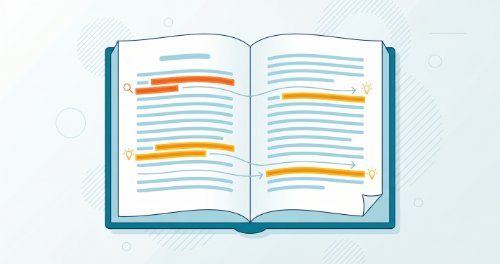
Many students read without understanding. This course teaches the exact methods to read texts quickly and accurately. We focus on skimming texts for general ideas and scanning passages for specific details. You will learn to find the main points and spot topic sentences in any written work. Text navigation forms the core foundation of all advanced reading skills.
Strong reading skills extend beyond passing secondary school exams. You need the ability to extract facts quickly from long documents in any future job. Business reports, legal contracts and university textbooks require rapid comprehension. Applying these techniques helps you save time when researching personal projects or reviewing long emails. This skill ensures you never miss crucial details in any professional setting.
After completing the modules, you will possess specific reading abilities. You will identify main points quickly, locate explicit information without reading every word, and recognise different formats of the passage. These formats include description, narration, exposition and argumentation. You will master the skill of text navigation to build a strong base for complex reading tasks.
This material is built for senior secondary students preparing for university entrance examinations in Nigeria. However, the techniques apply to anyone who struggles with reading speed and retention. University students dealing with heavy reading assignments will find the scanning methods highly practical. Adult learners and working professionals can also use these direct strategies to improve their daily reading efficiency.
Reading Comprehension - Use of English (Senior Secondary)
Many students read without understanding. This course teaches the exact methods to read texts quickly and accurately. We focus on skimming texts for general ideas and scanning passages for specific details. You will learn to find the main points and spot topic sentences in any written work. Text navigation forms the core foundation of all advanced reading skills. Strong reading skills extend beyond passing secondary school exams. You need the ability to extract facts quickly from long documents in any future job. Business reports, legal contracts and university textbooks require rapid comprehension. Applying these techniques helps you save time when researching personal projects or reviewing long emails. This skill ensures you never miss crucial details in any professional setting. After completing the modules, you will possess specific reading abilities. You will identify main points quickly, locate explicit information without reading every word, and recognise different formats of the passage. These formats include description, narration, exposition and argumentation. You will master the skill of text navigation to build a strong base for complex reading tasks. This material is built for senior secondary students preparing for university entrance examinations in Nigeria. However, the techniques apply to anyone who struggles with reading speed and retention. University students dealing with heavy reading assignments will find the scanning methods highly practical. Adult learners and working professionals can also use these direct strategies to improve their daily reading efficiency.

Figurative Language - Use of English (Senior Secondary)
Words carry meaning beyond their literal definitions. This course covers the interpretation of formal idioms expressed in Standard British English. It teaches the recognition of metaphors, similes, personification, and hyperbole. You will learn to separate literal statements from non-literal expressions. This provides the bridge between basic reading and the abstract reasoning required for critical analysis.
Understanding abstract language is highly practical for daily communication and professional work. Clear writing and speaking are essential in any career. Grasping implied meanings allows you to read between the lines in formal documents, negotiate effectively, and write persuasive reports. You can apply these skills to understand complex speeches, decode political rhetoric, and improve the quality of your personal writing projects.
By the end of this programme, you will acquire specific analytical skills. You will identify different categories of figurative devices in written text. You will explain the purpose of an author in using specific metaphors or idioms. You will evaluate the impact of hyperbole and personification on the overall tone of a passage. You will also apply these techniques to improve the descriptive power and clarity of your own writing.
This course is primarily for senior secondary students preparing for final examinations in Nigeria and across the globe. It also benefits anyone needing to improve their command of the English language. University students can use the material to refine their academic writing. Professionals in media or business will find the concepts useful for crafting better copy. Anyone who reads or writes regularly will gain a clearer understanding of how language influences thought.
Figurative Language - Use of English (Senior Secondary)
Words carry meaning beyond their literal definitions. This course covers the interpretation of formal idioms expressed in Standard British English. It teaches the recognition of metaphors, similes, personification, and hyperbole. You will learn to separate literal statements from non-literal expressions. This provides the bridge between basic reading and the abstract reasoning required for critical analysis. Understanding abstract language is highly practical for daily communication and professional work. Clear writing and speaking are essential in any career. Grasping implied meanings allows you to read between the lines in formal documents, negotiate effectively, and write persuasive reports. You can apply these skills to understand complex speeches, decode political rhetoric, and improve the quality of your personal writing projects. By the end of this programme, you will acquire specific analytical skills. You will identify different categories of figurative devices in written text. You will explain the purpose of an author in using specific metaphors or idioms. You will evaluate the impact of hyperbole and personification on the overall tone of a passage. You will also apply these techniques to improve the descriptive power and clarity of your own writing. This course is primarily for senior secondary students preparing for final examinations in Nigeria and across the globe. It also benefits anyone needing to improve their command of the English language. University students can use the material to refine their academic writing. Professionals in media or business will find the concepts useful for crafting better copy. Anyone who reads or writes regularly will gain a clearer understanding of how language influences thought.

Critical Reading - Use of English (Senior Secondary)
Reading goes beyond pronouncing words on a page; it requires understanding the unwritten thoughts of the writer. This course teaches the core principles of critical reading for senior secondary students. You will study how to find implied meanings, evaluate the mood of the writer, and judge textual consistency. We focus on active reading strategies that force you to question sentences and extract facts from opinions. This prepares you to handle complex passages in the Use of English curriculum.
The ability to read critically gives you a clear advantage in everyday life and future careers. Professionals in law, media, and business rely on these exact skills to analyse reports and detect bias in contracts. When you read news articles or social media posts, you must separate truth from manipulation. Mastering this skill prevents you from being misled by false information. You will use this exact knowledge to make better decisions in your personal projects and university research.
By completing this module, you will gain specific analytical skills required for advanced comprehension. You will learn to draw logical inferences from difficult paragraphs, assess the attitude of the writer, and identify the main argument in complex texts. The lessons will teach you how to evaluate the coherence of a passage to see if the ideas connect properly. You will also build the competence to deduce the exact meanings of unfamiliar words using context clues.
We created this course primarily for senior secondary school students preparing for their university entrance examinations. However, university students and adult learners who struggle with reading comprehension will also find the material highly useful. Anyone who wants to improve their ability to read, think, and analyse information can apply these lessons immediately. The content builds foundational analytical skills, ensuring all learners gain practical value without wasting time.
Critical Reading - Use of English (Senior Secondary)
Reading goes beyond pronouncing words on a page; it requires understanding the unwritten thoughts of the writer. This course teaches the core principles of critical reading for senior secondary students. You will study how to find implied meanings, evaluate the mood of the writer, and judge textual consistency. We focus on active reading strategies that force you to question sentences and extract facts from opinions. This prepares you to handle complex passages in the Use of English curriculum. The ability to read critically gives you a clear advantage in everyday life and future careers. Professionals in law, media, and business rely on these exact skills to analyse reports and detect bias in contracts. When you read news articles or social media posts, you must separate truth from manipulation. Mastering this skill prevents you from being misled by false information. You will use this exact knowledge to make better decisions in your personal projects and university research. By completing this module, you will gain specific analytical skills required for advanced comprehension. You will learn to draw logical inferences from difficult paragraphs, assess the attitude of the writer, and identify the main argument in complex texts. The lessons will teach you how to evaluate the coherence of a passage to see if the ideas connect properly. You will also build the competence to deduce the exact meanings of unfamiliar words using context clues. We created this course primarily for senior secondary school students preparing for their university entrance examinations. However, university students and adult learners who struggle with reading comprehension will also find the material highly useful. Anyone who wants to improve their ability to read, think, and analyse information can apply these lessons immediately. The content builds foundational analytical skills, ensuring all learners gain practical value without wasting time.

Summary Writing - Use of English (Senior Secondary)
The ability to condense text without losing its meaning is a critical skill for clear communication. This course teaches the core rules of summary writing for the Use of English curriculum. You will learn how to extract key points from long passages and synthesise distinct ideas into a single cohesive unit. The lessons focus on paraphrasing text and removing redundancy while preserving the original message of the author.
Beyond passing exams, condensing information saves time in any professional environment. You can apply these skills to write brief reports, draft clear emails, and prepare meeting notes. University students use this knowledge to review lengthy research papers quickly. Professionals rely on these exact techniques to pitch ideas and communicate effectively with managers who have limited time to read.
By completing these modules, you will acquire specific skills for text condensation. You will know how to identify the main idea in any paragraph, differentiate between core facts and mere illustrations, and rewrite sentences using your own words. The course ensures you can apply the rules of condensation independently, write concise summaries that meet examination standards, and avoid common errors like adding personal opinions to factual texts.
This course targets senior secondary school students preparing for their university entrance examinations in Nigeria and across West Africa. However, the foundational skills taught here benefit anyone who struggles with wordy writing. University freshers can use this material to improve their academic writing, while working professionals will find the techniques useful for drafting concise business documents. The lessons provide clear value to anyone seeking to communicate complex ideas in the shortest possible format.
Summary Writing - Use of English (Senior Secondary)
The ability to condense text without losing its meaning is a critical skill for clear communication. This course teaches the core rules of summary writing for the Use of English curriculum. You will learn how to extract key points from long passages and synthesise distinct ideas into a single cohesive unit. The lessons focus on paraphrasing text and removing redundancy while preserving the original message of the author. Beyond passing exams, condensing information saves time in any professional environment. You can apply these skills to write brief reports, draft clear emails, and prepare meeting notes. University students use this knowledge to review lengthy research papers quickly. Professionals rely on these exact techniques to pitch ideas and communicate effectively with managers who have limited time to read. By completing these modules, you will acquire specific skills for text condensation. You will know how to identify the main idea in any paragraph, differentiate between core facts and mere illustrations, and rewrite sentences using your own words. The course ensures you can apply the rules of condensation independently, write concise summaries that meet examination standards, and avoid common errors like adding personal opinions to factual texts. This course targets senior secondary school students preparing for their university entrance examinations in Nigeria and across West Africa. However, the foundational skills taught here benefit anyone who struggles with wordy writing. University freshers can use this material to improve their academic writing, while working professionals will find the techniques useful for drafting concise business documents. The lessons provide clear value to anyone seeking to communicate complex ideas in the shortest possible format.

Phonetics - Use of English (Senior Secondary)
Mastering spoken English starts with understanding exact speech sounds. This course teaches the core mechanics of English pronunciation using the International Phonetic Alphabet. You will study the classification of monophthongs, diphthongs, and triphthongs to understand vowel production. The syllabus also covers the articulation of consonants and consonant clusters, alongside the accurate identification of rhymes and homophones.
Clear sound production forms the physical foundation of spoken English and prepares you for advanced oral proficiency. This skill dictates how clearly others understand your speech. You can apply this knowledge immediately to pass oral English examinations like WAEC and JAMB. Furthermore, correct pronunciation builds the speaking confidence needed for university admission interviews, public speaking events, and future workplace communication.
Upon completion, you will possess the specific phonetic skills required for fluent speech. You will learn to read and write words using the symbols of the International Phonetic Alphabet. You will accurately classify all vowel sounds and consonant sounds. You will also understand how to pronounce complex consonant clusters without dropping letters, identify exact rhymes, and distinguish between homophones in both speech and writing.
This course targets senior secondary school students preparing for university entrance examinations in the Use of English. The material strictly follows the academic syllabus but delivers immediate value to a wider audience. University students, young job seekers, and anyone struggling with poor pronunciation will use this foundational training to correct basic speaking errors and communicate with clear diction.
Phonetics - Use of English (Senior Secondary)
Mastering spoken English starts with understanding exact speech sounds. This course teaches the core mechanics of English pronunciation using the International Phonetic Alphabet. You will study the classification of monophthongs, diphthongs, and triphthongs to understand vowel production. The syllabus also covers the articulation of consonants and consonant clusters, alongside the accurate identification of rhymes and homophones. Clear sound production forms the physical foundation of spoken English and prepares you for advanced oral proficiency. This skill dictates how clearly others understand your speech. You can apply this knowledge immediately to pass oral English examinations like WAEC and JAMB. Furthermore, correct pronunciation builds the speaking confidence needed for university admission interviews, public speaking events, and future workplace communication. Upon completion, you will possess the specific phonetic skills required for fluent speech. You will learn to read and write words using the symbols of the International Phonetic Alphabet. You will accurately classify all vowel sounds and consonant sounds. You will also understand how to pronounce complex consonant clusters without dropping letters, identify exact rhymes, and distinguish between homophones in both speech and writing. This course targets senior secondary school students preparing for university entrance examinations in the Use of English. The material strictly follows the academic syllabus but delivers immediate value to a wider audience. University students, young job seekers, and anyone struggling with poor pronunciation will use this foundational training to correct basic speaking errors and communicate with clear diction.

Stress and Intonation - Use of English (Senior Secondary)
Spoken English relies on correct stress and rhythm to carry meaning. This course covers the core mechanics of spoken fluency and oral examination preparation. You will study the structure of the syllable, stress patterns in monosyllabic and polysyllabic words, emphatic stress in connected speech, and the rules of sentence stress and rhythm. We focus on the exact phonetic knowledge required to speak clearly and pass oral English exams.
Clear pronunciation prevents miscommunication in job interviews, academic presentations, and daily conversations. Applying the rules of spoken English gives you a distinct advantage when explaining ideas to an audience or speaking with peers. This knowledge builds the exact confidence required for future career progression and effective personal interactions.
Upon completion, you will accurately identify and pronounce stressed syllables in any English word. You will understand how to shift emphasis in a sentence to change the meaning of the statement. You will apply the principles of rhythm to make your connected speech sound natural. You will also develop the precise listening skills needed to answer questions on emphatic stress in your final oral examinations.
This material targets Senior Secondary students preparing for their university entrance examinations. It also serves university students who need to correct foundational errors in their spoken English. Adult learners and beginners will find the direct instruction highly effective for improving their daily communication skills. Anyone who wants to be understood clearly by a global audience will benefit from mastering the mechanics of the language.
Stress and Intonation - Use of English (Senior Secondary)
Spoken English relies on correct stress and rhythm to carry meaning. This course covers the core mechanics of spoken fluency and oral examination preparation. You will study the structure of the syllable, stress patterns in monosyllabic and polysyllabic words, emphatic stress in connected speech, and the rules of sentence stress and rhythm. We focus on the exact phonetic knowledge required to speak clearly and pass oral English exams. Clear pronunciation prevents miscommunication in job interviews, academic presentations, and daily conversations. Applying the rules of spoken English gives you a distinct advantage when explaining ideas to an audience or speaking with peers. This knowledge builds the exact confidence required for future career progression and effective personal interactions. Upon completion, you will accurately identify and pronounce stressed syllables in any English word. You will understand how to shift emphasis in a sentence to change the meaning of the statement. You will apply the principles of rhythm to make your connected speech sound natural. You will also develop the precise listening skills needed to answer questions on emphatic stress in your final oral examinations. This material targets Senior Secondary students preparing for their university entrance examinations. It also serves university students who need to correct foundational errors in their spoken English. Adult learners and beginners will find the direct instruction highly effective for improving their daily communication skills. Anyone who wants to be understood clearly by a global audience will benefit from mastering the mechanics of the language.

Literary Analysis - Use of English (Senior Secondary)
Reading a text is one thing; breaking it down to understand its core message is another. This course provides the frameworks for analysing approved reading texts. You will study themes, characters, plots, and settings. We will also examine literary techniques and learn to answer questions based on context and evidence.
Analysing texts builds critical thinking and clear communication skills. These abilities extend beyond passing school examinations. You will apply this knowledge to read complex documents, evaluate arguments, and write clear reports in future careers or personal projects. Understanding different viewpoints makes you an effective problem solver in any field.
By the end of this module, you will accurately identify central themes and explain the roles of the characters within a story. You will describe the influence of the setting on the plot and recognise literary techniques used by authors. You will also learn to construct strong answers to questions using direct evidence from the texts.
This course targets senior secondary students preparing for their university entrance examinations. However, the foundational analytical skills benefit a much wider audience. University students managing heavy reading loads and young adults seeking to improve their reading comprehension will find the frameworks highly useful.
Literary Analysis - Use of English (Senior Secondary)
Reading a text is one thing; breaking it down to understand its core message is another. This course provides the frameworks for analysing approved reading texts. You will study themes, characters, plots, and settings. We will also examine literary techniques and learn to answer questions based on context and evidence. Analysing texts builds critical thinking and clear communication skills. These abilities extend beyond passing school examinations. You will apply this knowledge to read complex documents, evaluate arguments, and write clear reports in future careers or personal projects. Understanding different viewpoints makes you an effective problem solver in any field. By the end of this module, you will accurately identify central themes and explain the roles of the characters within a story. You will describe the influence of the setting on the plot and recognise literary techniques used by authors. You will also learn to construct strong answers to questions using direct evidence from the texts. This course targets senior secondary students preparing for their university entrance examinations. However, the foundational analytical skills benefit a much wider audience. University students managing heavy reading loads and young adults seeking to improve their reading comprehension will find the frameworks highly useful.